Description
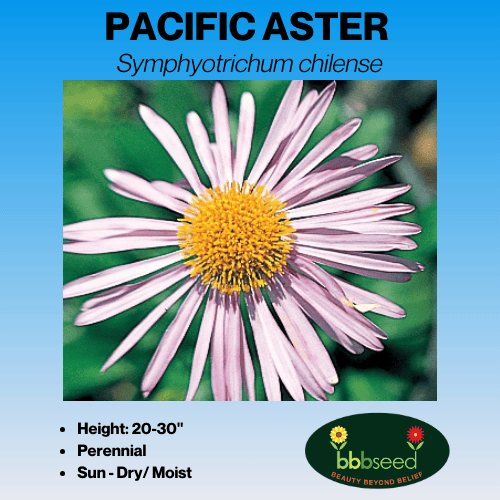
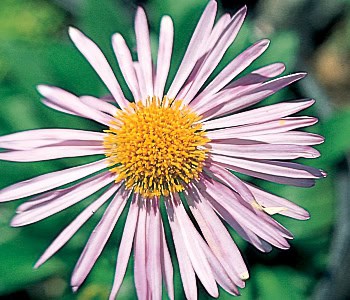
Pacific Aster, also known as California Aster, or Coast Aster, is a hardy native perennial that brightens the late-season landscape with masses of lavender to deep purple daisy-like flowers surrounding golden-yellow centers. Blooming from late summer through fall, this long-lived wildflower provides an important nectar source for bees, butterflies, native pollinators, and migrating Monarchs when many other flowers have finished blooming.
Native to the Pacific Coast from British Columbia south through California, Pacific Aster naturally occurs in coastal prairies, meadows, wetlands, and open woodlands. It thrives in full sun to partial shade and adapts to a wide range of soils, including clay, sandy, and seasonally moist sites. Once established, it tolerates drought as well as periodic flooding, making it a versatile choice for challenging landscapes. Pacific aster can develop long, vigorous rhizomes that allow the plants to spread into thick clumps that may outcompete weaker neighboring plants.
Growing 1 to 3 feet tall, Pacific Aster spreads gradually to form attractive colonies that provide excellent fall color in wildflower meadows, pollinator gardens, rain gardens, naturalized areas, and perennial borders. Its abundant blooms attract a wide variety of bees, butterflies, hoverflies, and other beneficial insects, while birds may feed on the seeds later in the season. Easy to grow and rich in wildlife value, Pacific Aster is an outstanding native wildflower for creating vibrant, pollinator-friendly landscapes.
As an important late-season source of pollen and nectar, native asters provide one of the final foraging opportunities for many pollinators before winter. Their pollen serves as a valuable food source for bees, butterflies, and other beneficial insects, including the next generation of bumblebee queens preparing to enter winter dormancy.
Quick Specs:
Origin: Native
Type: Perennial
Color: Violet
Height: 20-30 inches
Width/spread: 24-36 inches
Sunlight: Full sun, partial shade
Water: Low
Bloom Season: Late Summer
Planting Time: Spring or fall
Zones: 3-7
Regions: Coastal and inland valleys of Southwestern British Columbia, Washington, Oregon, and California
Use: Borders, meadows & cottage gardens, containers, native and restoration plantings. Deer resistant.
Attracts: Butterflies, moths, bees, & birds
Packet weight: 800 mg
Seeds per packet: 1580 approx.
Reviews
There are no reviews yet.