
Description
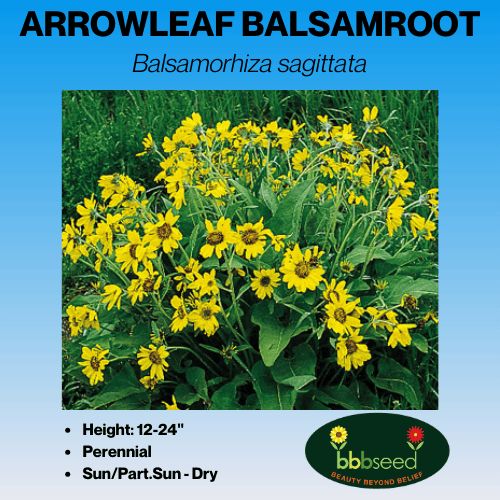
Arrowleaf Balsamroot
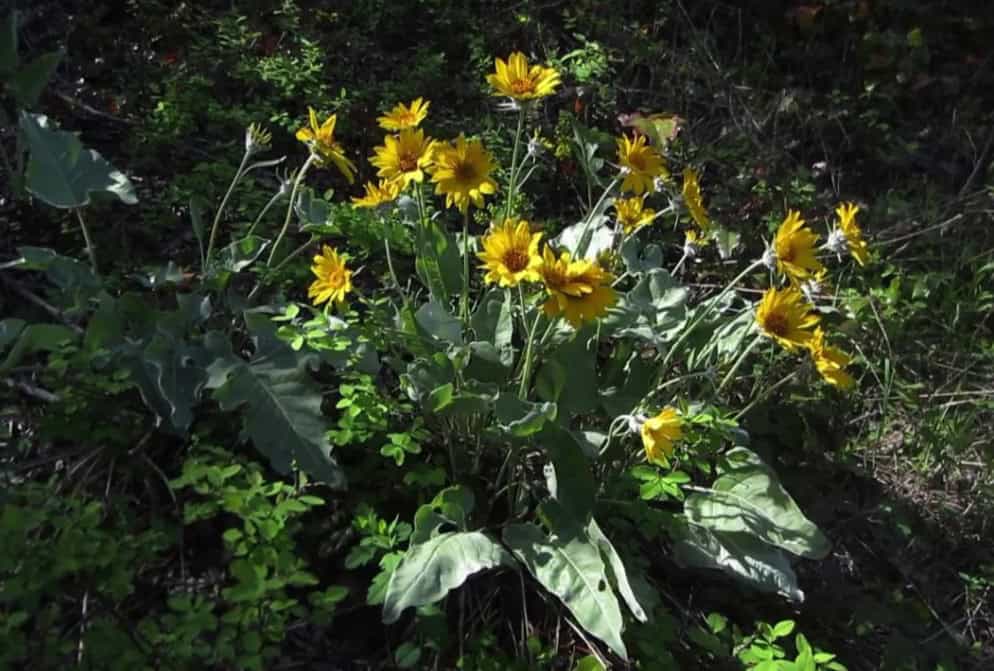
Arrowleaf Balsamroot is a hardy, long-lived native perennial wildflower found throughout the Rocky Mountains and Intermountain West. Recognized by its large, arrow-shaped leaves and bright yellow sunflower-like blooms, this drought-tolerant species brings vibrant spring color to native landscapes, meadows, and restoration projects. Its deep taproot allows it to withstand fire, grazing, trampling, and extended dry periods, making it an exceptionally resilient plant for challenging sites.
Arrowleaf Balsamroot thrives in well-drained soils and full sun but will tolerate partial shade. Adapted to elevations from 1,000 to 9,000 feet and annual precipitation ranging from 12 to 25 inches, it is well-suited to a variety of western growing conditions. The flowers provide valuable resources for native pollinators, while the foliage, stems, and blooms are important forage for deer, elk, pronghorn, livestock, and other wildlife. Both birds and small mammals also utilize the seeds.
Widely used in native habitat restoration, rangeland improvement, roadside revegetation, and reclamation projects, Arrowleaf Balsamroot is an excellent choice for adding beauty, biodiversity, and long-term resilience to western landscapes. Arrowleaf balsamroot blooms around the same time as lupine.
Nearly all parts of this plant were used as food or medicine by various Native American groups. The roots may be baked or steamed and eaten, and can be used as a coffee substitute. The immature flower stems can be peeled and eaten, and the seeds are nutritious and oil-rich.
Quick Specs:
Origin: Native
Type: Perennial
Color: Yellow
Height: 18-30 inches
Width/spread: 12-24 inches
Sunlight: Full sun, partial shade
Water: Medium to Moist
Bloom Season: Spring to early summer
Planting Time: Fall
Zones: 3b-6a
Use: Native landscapes, meadows, and restoration projects
Attracts: Native pollinators and cattle, sheep, elk, and
pronghorn graze this plant.
Packet weight: 1 gram
Seeds per packet: 110 approx.

Reviews
There are no reviews yet.