Best Flowers for Honey Bees: What to Plant for Nectar and Pollen All Season
Updated June 19, 2026
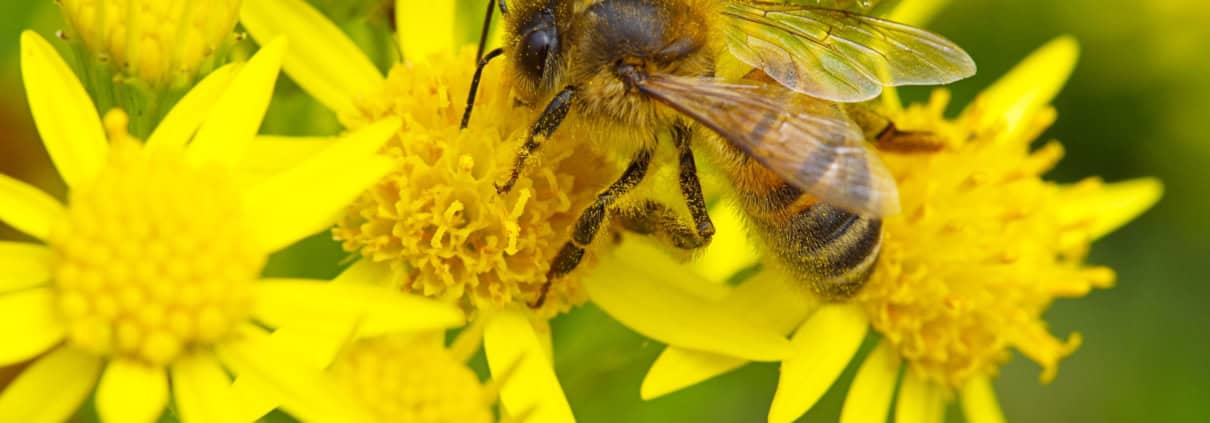
The best flowers for honey bees are simple, nectar-rich blooms that provide food from spring through fall. Good choices include catmint, lavender, agastache, salvia, bee balm, clover, sunflower, blanket flower, aster, goldenrod, sedum, thyme, and native flowers suited to your region.
I’ve learned that a bee-friendly garden works best when you think like a beekeeper. Instead of focusing on a few spectacular blooms, consider how your garden can provide nectar and pollen across the entire growing season.
Honey bees need a steady supply of nectar and pollen-rich flowers. The best plan is to plant in clusters, choose flowers with different bloom times, avoid pesticides, and include both showy garden plants and humble forage like clover.
| Flower | Bloom Season | Why Honey Bees Like It | Best Use |
|---|---|---|---|
| Mountain mint | Late spring to summer | Long bloom time and heavy bee activity | Borders, sunny beds, dry gardens |
| Lavender | Summer | Nectar-rich flowers in sunny, dry spots | Walkways, patios, herb gardens |
| Agastache | Summer to fall | Heat-tolerant blooms with strong bee appeal | Dry climates, full-sun gardens |
| Salvia | Spring to fall, depending on type | Long bloom periods and accessible flowers | Mixed perennial beds |
| Bee balm | Summer | Fragrant blooms that attract many pollinators | Native or cottage-style gardens |
| Clover | Spring to summer | Easy lawn forage with accessible flowers | Bee lawns, low-effort forage |
| Sunflower | Summer to fall | Large, pollen-rich flower heads | Annual beds, vegetable gardens |
| Blanket flower | Summer to fall | Tough, long-blooming flowers | Hot, sunny spaces |
| Aster | Late summer to fall | Important late-season forage | Fall pollinator gardens |
| Goldenrod | Late summer to fall | Strong late-season nectar source | Naturalized beds, native plantings |
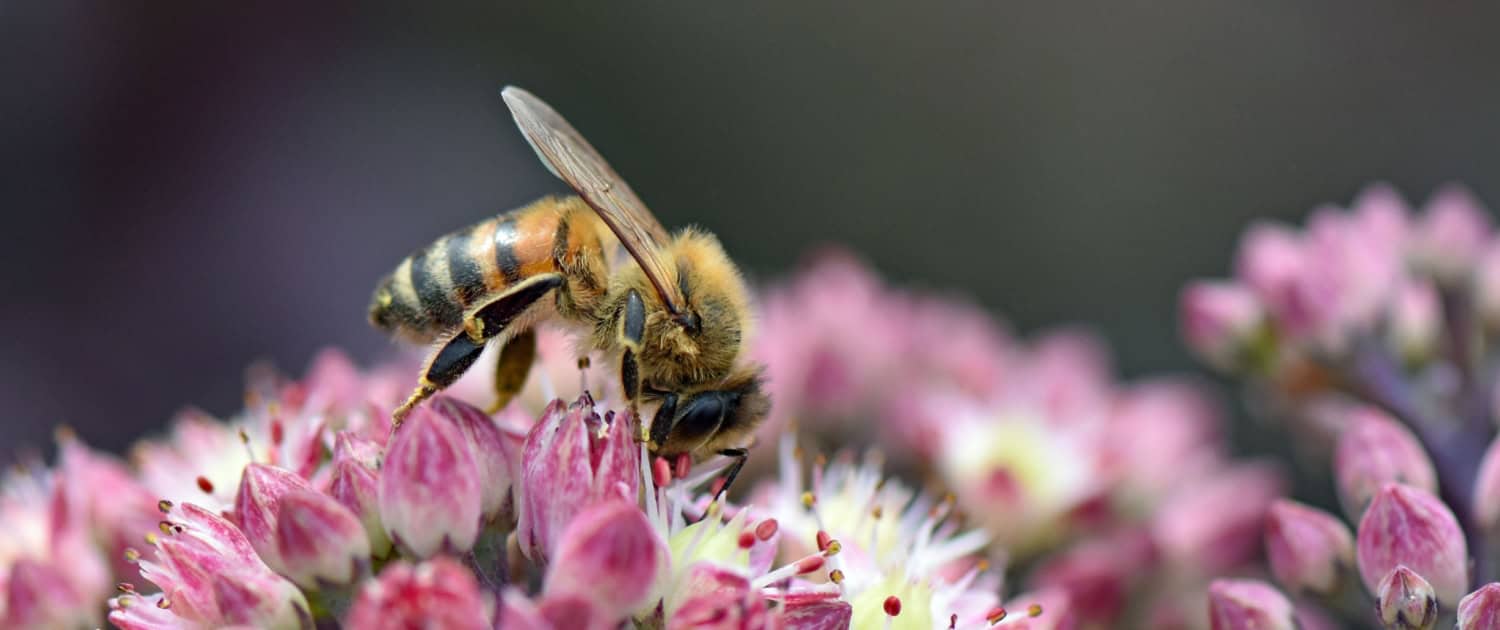
| Sedum | Late summer to fall | Clusters of small flowers, bees can work easily | Low-water gardens |
| Thyme | Spring to summer | Small flowers that bees visit often | Herb gardens, edging, groundcover |
| Regional natives | Varies | Adapted to local conditions | Native beds and pollinator patches |
A good honey bee garden does not need every plant on this list. A few good choices planted in groups can do more good than a scattered collection of single plants. If you want a ready-made seed blend, BBB Seed’s Honey Source Mix is designed for gardeners who want nectar- and pollen-rich flowers that support honey bees through the growing season.
You can also browse BBB Seed’s full collection of flower seeds to choose individual flowers that fit your region, bloom season, and garden style.
Why Honey Bees Need More Than One Type of Flower
Honey bees collect nectar and pollen from flowers. Nectar and pollen are both important because nectar gives bees an energy source, while pollen helps support brood development in the hive.
A useful honey bee garden includes:
- Early flowers for spring forage
- Summer flowers for peak bee activity
- Late-season flowers for food before colder weather
- Herbs and lawn flowers for extra low-effort forage
- Native or regionally adapted plants that fit your climate
From what I’ve seen, the most successful bee gardens aren’t necessarily the ones with the most flowers at one time. They’re the ones that provide something in bloom from spring through fall.
For a simple seed-mix option, BBB Seed’s Bee Rescue Mix brings together a variety of bee-friendly flowers, making it easier to create a garden that provides nectar and pollen throughout the season.
What Makes a Flower Good for Honey Bees?
Simple, Open Flowers Are Easier for Bees to Use
Honey bees need to reach the nectar and pollen. Simple, open flowers are often easier for bees to work than dense double flowers with layers of petals.
That does not mean every ornamental flower is bad. It just means you should pay attention to whether bees can actually access the flower.
Nectar and Pollen Both Matter
Some flowers are heavier nectar sources. Others provide more pollen. A strong bee garden gives bees a mix of both.
The best approach is not to hunt for one “perfect” flower. Plant a mix of bee-friendly flowers that bloom at different times and have different shapes.
Long Bloom Times Make a Garden More Useful
A flower that blooms for weeks can be more valuable than one that looks impressive for a few days and disappears.
This is why I like plants such as catmint, salvia, agastache, blanket flower, and goldenrod.
Best Spring and Early-Season Flowers for Honey Bees
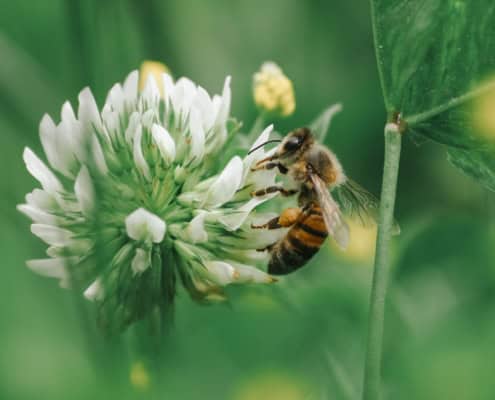
Clover
White clover is one of the easiest flowers for honey bees because it often grows right in the lawn. It may not look like a fancy garden plant, but honey bees love it.
I usually tell people not to remove every clover flower from the yard. Letting some clover bloom can provide real forage without adding a new garden bed. BBB Seed also carries clover seeds for gardeners who want to intentionally add clover.
Best for:
- Bee-friendly lawns
- Low-maintenance yards
- Homeowners who want easy pollinator support
- Mixed lawn areas that are not treated with herbicides
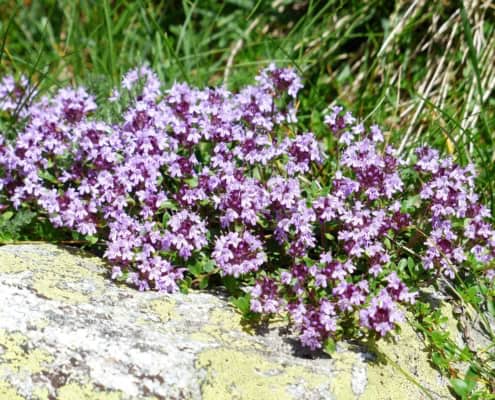
Thyme
Flowering thyme is a good choice for herb gardens, borders, and sunny edges. Creeping thyme can also work as a low-growing groundcover in some regions.
Best for:
- Herb gardens
- Sunny paths
- Rock gardens
- Small spaces
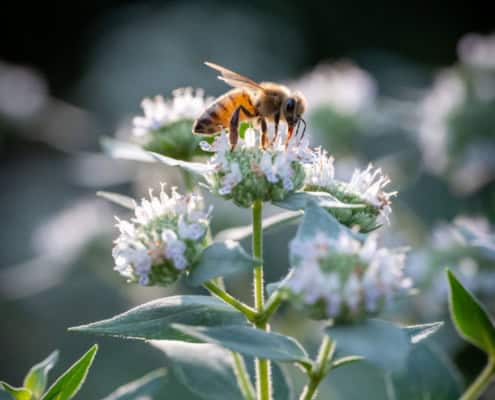
Mountain Mint
Mountain mint is one of the first plants I usually recommend because honey bees cover it for weeks when it’s in bloom. It is tough, long-blooming, and useful in many full-sun gardens. This plant was recognized in 2018 by the Garden Club of America as Plant of the Year and a pollinator powerhouse.
Best for:
- Sunny borders
- Dry areas
- Front-yard plantings
- Low-maintenance perennial beds
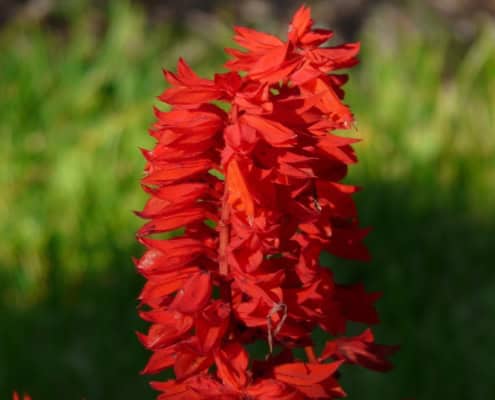
Early Salvia and Regional Native Flowers
Some salvias, like our scarlet sage, start blooming late spring to early summer and keep going with the right care. You can also add other early-blooming native flowers that fit your state or region.
Another nectar-rich flower worth considering is native lacy phacelia, sometimes called “bee’s friend,” especially if you want a fast-growing annual that bees adore. This plant was naturalized in Europe as a forage and pollinator plant.
Best Summer Flowers for Honey Bees
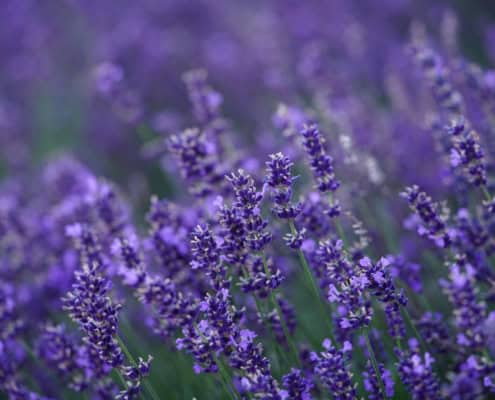
Lavender
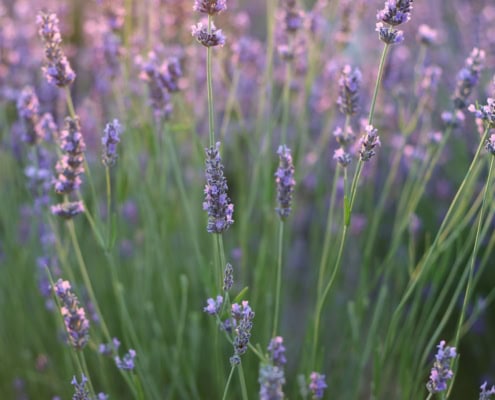
Lavender is one of the best flowers for honey bees in sunny, dry gardens. It works especially well near patios, walkways, and warm south-facing beds.
In drier parts of the country, lavender can be a great fit because it does not need the constant watering that many showier flowers require.
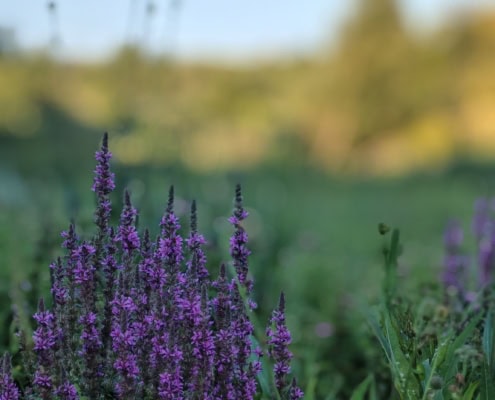
Agastache
Agastache, also called hyssop or hummingbird mint, is one of my favorite summer flowers for bees.It handles heat well, blooms for a long time, is highly fragrant and it attracts hummingbirds as well as bees.
This is a strong choice for:
- Full sun
- Dry climates
- Western gardens
- Low-water landscapes
- Mixed pollinator beds
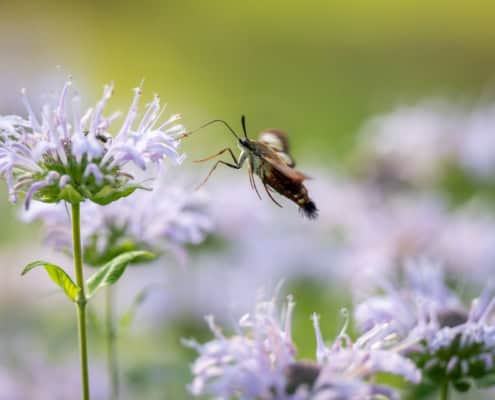
Bee Balm
Bee balm, also called monarda, is a classic pollinator plant. It works especially well in native gardens, cottage gardens, and mixed perennial beds.
Honey bees visit it, along with other pollinators. Choose varieties suited to your region and give the plants enough airflow to reduce mildew problems.
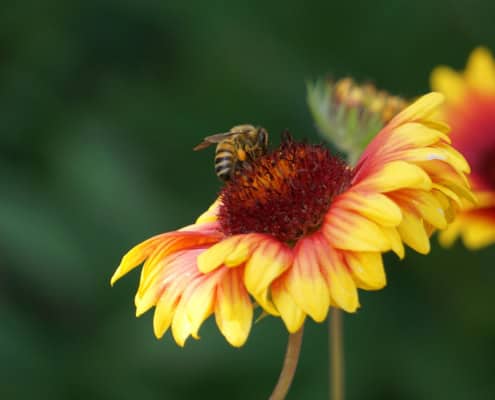
Blanket Flower
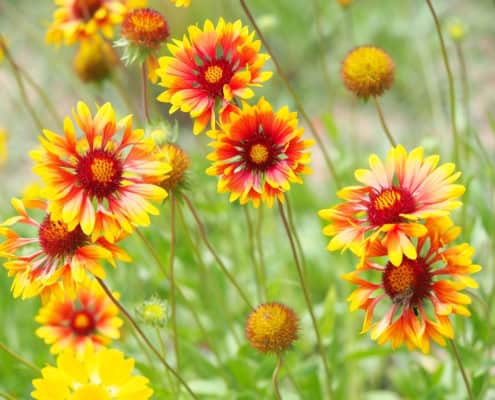
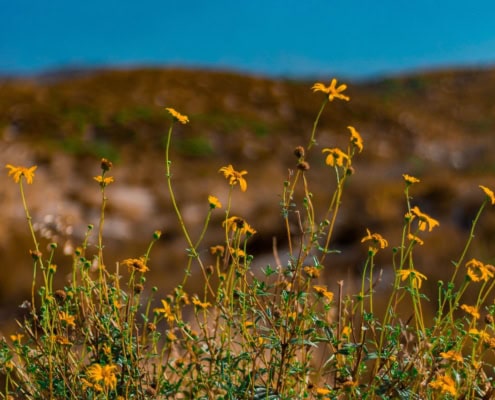
Blanket flower, or gaillardia, is a tough, sunny, long-blooming plant that can perform well in hot areas. It is especially useful where you want color and bee activity without constant fussing.
I like it for summer color because it can handle conditions that make more delicate flowers struggle.
Sunflower
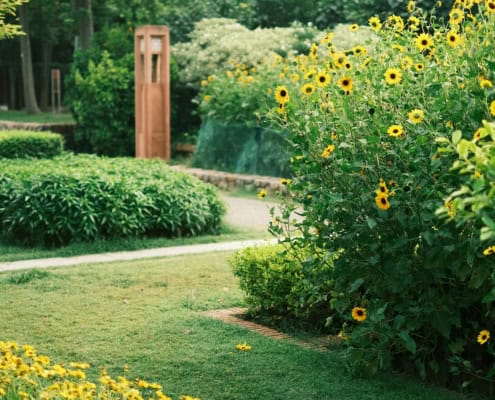
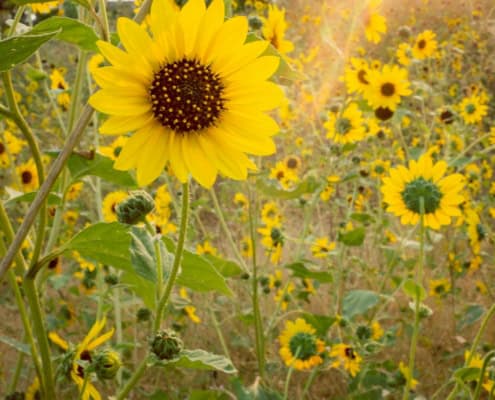
Sunflowers are excellent summer and late-summer flowers for honey bees. They are easy to recognize, easy to grow, and useful in vegetable gardens, annual beds, and sunny open spaces.
Choose pollen-producing varieties when possible. Some florist-style varieties are bred to be pollenless, which makes them less useful for bees.
Best Late-Season Flowers for Honey Bees
Aster
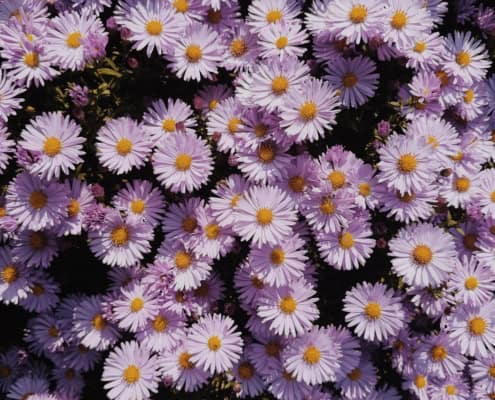
Asters are among the best fall flowers for honey bees. They bloom when many summer flowers are fading, which makes them valuable late-season forage.
Best for:
- Fall pollinator beds
- Native gardens
- Mixed perennial borders
- Meadow-style plantings
Goldenrod
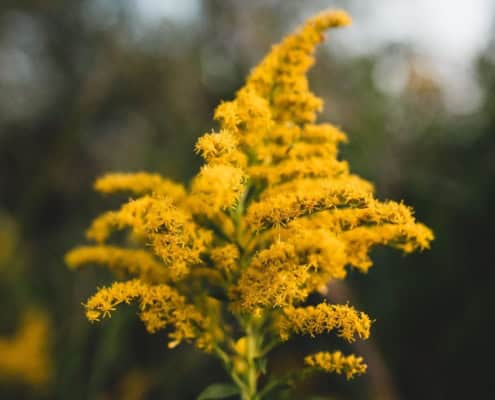
Goldenrod is one of the most important late-season flowers for bees. It blooms when honey bees are still active and looking for food before colder weather.
Many people wrongly blame goldenrod for allergies when ragweed is more likely the culprit. Goldenrod pollen is heavier and largely moved by insects. Ragweed is wind-pollinated, sending pollen particles into the air, often ending up in your sinuses.
Sedum
Goldenrod is one of the most important late-season flowers for bees. It blooms when honey bees are still active and looking for food before colder weather.
Many people wrongly blame goldenrod for allergies when ragweed is more likely the culprit. Goldenrod pollen is heavier and largely moved by insects. Ragweed is wind-pollinated, sending pollen particles into the air, often ending up in your sinuses.
Fall Flowers Are Easy to Overlook but Important
Late-season flowers are one of the most common gaps I see in bee gardens.
If you want a better honey bee garden, include late-summer and fall blooming perennials like aster, goldenrod, liatris, and sedum. Many of our favorite annuals, like zinnia, Mexican sunflower, cosmos, marigolds, sunflowers, and beeplant, added to the garden for summer color, will continue to bloom until frost. BBB Seed’s guide to fall-blooming plants for pollinators is a helpful follow-up if you want to build stronger late-season forage.
Best Flowers for Honey Bees by Region
Your exact choices should match your climate, soil, rainfall, winter temperatures, and local plant availability. BBB Seed’s regional wildflower seed mixes can help you start with flowers selected for different areas of the United States.
For more local guidance, the Xerces Society also provides regional native plant lists that can help you choose pollinator-friendly plants for your area.
Northeast
Good options include:
- Aster
- Goldenrod
- Bee balm
- Clover
- Sedum
- Sunflower
- Native milkweed, where appropriate
Southeast
Good options include:
- Salvia
- Bee balm
- Sunflower
- Clover
- Basil and other flowering herbs
- Regionally adapted native wildflowers
In hot, humid areas, choose plants that can handle disease pressure and long summers.
Midwest
Good options include:
- Coneflower
- Aster
- Goldenrod
- Clover
- Sunflower
- Bee balm
- Prairie-style native flowers
The Midwest is especially well-suited to native and prairie-inspired pollinator plantings.
Mountain West
Good options include:
- Mountain mint
- Lavender
- Agastache
- Blanket flower
- Sunflower
- Aster
- Goldenrod
- Sedum
- Rocky Mountain bee plant, where appropriate
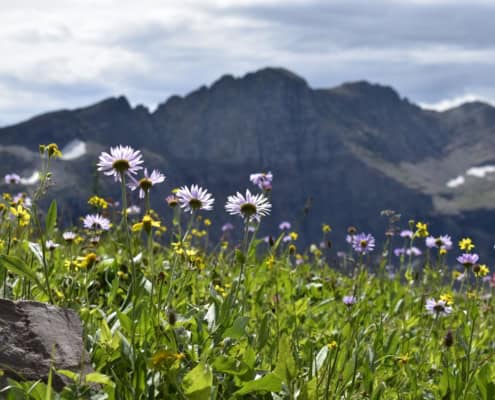
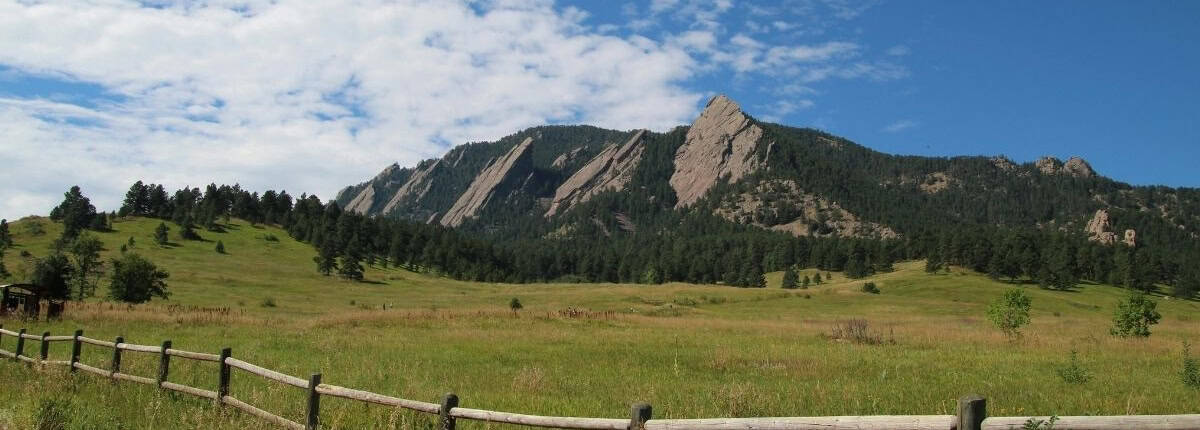
This is where my own Boulder experience is most relevant. Along the Front Range, I’ve had the best results with flowers that handle dry air, strong sun, clay soil in some neighborhoods, sudden temperature swings, and occasional hail.
Mountain mint, lavender, agastache, blanket flower, aster, goldenrod, sedum, thyme, clover, and Rocky Mountain bee plant have been especially reliable in sunny Boulder-area gardens. If you are gardening in a dry climate, BBB Seed’s post on drought-tolerant plants is a useful companion resource.
Southwest
Good options include:
- Agastache
- Salvia
- Blanket flower
- Desert-adapted native flowers
- Sunflower
- Drought-tolerant herbs
In the Southwest, prioritize heat tolerance, drought tolerance, and native or regionally adapted plants.
Pacific Northwest and West Coast
Good options include:
- Lavender
- Rosemary
- Thyme
- Salvia
- Clover
- Borage
- Aster
- Native wildflowers
Milder climates often allow for a longer bloom season, so use that advantage by keeping something flowering for as much of the year as possible.
How to Plant Flowers So Honey Bees Actually Find Them
Plant in Clusters Instead of Scattered Singles
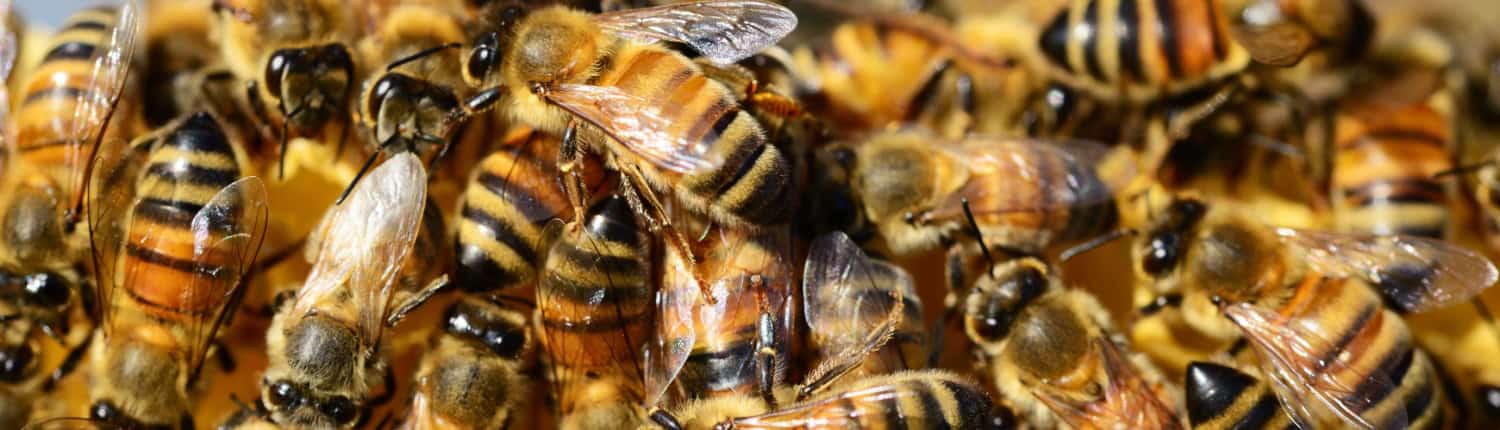
One thing I’ve noticed over the years is that honey bees like volume.
One lavender plant is nice. A group of five or seven is much better. The same goes for mountain mint, salvia, blanket flower, and bee balm.
Clusters help bees find the flowers faster and spend more time in the garden. A scattered single plant here and there may look balanced to a gardener, but a larger patch is often more useful to a foraging honey bee.
The U.S. Forest Service also recommends that gardeners plant a wide variety of flowers from spring into fall and use clumps instead of single plants so pollinators can find and use them more easily. For pollinators, a garden planted in colorful drifts is like a buffet, while scattered single flowers are just snacks
For seed-starting help, BBB Seed’s wildflower seed planting tips can help you choose and prepare a good planting site.
Mix Perennials, Annuals, Herbs, Lawn Flowers, and Native Plants
Do not rely on one category. Perennials give structure. Annuals fill gaps. Herbs can flower heavily. Clover adds easy lawn forage. Native plants help fit the garden to your region and can support a wider pollinator community.
Use Sunny Areas When Possible
Honey bees are most active in warm, sunny conditions. Many of the best bee flowers also prefer full sun.
A sunny bed near a vegetable garden, walkway, patio, or fence line can become a strong bee-feeding area if it has enough bloom volume.
What Flowers and Garden Plants Should You Avoid for Honey Bees?
Double Flowers With Hard-to-Reach Nectar and Pollen
Double flowers often have extra petals that can block access to nectar and pollen. They may look impressive, but they are not always useful for bees.
When choosing flowers, look for simple, open blooms where bees can land and feed.
Heavily Hybridized Flowers With Little Bee Value
Some plants are bred mostly for size, color, shape, or long vase life. That does not always mean they provide good nectar or pollen.
Pesticide-Treated Plants and Systemic Insecticides
Avoid pesticides in bee areas whenever possible. The Xerces Society recommends buying bee-safe nursery plants, which means choosing plants that do not carry pesticide residues that can harm bees and other pollinators.
My rule is simple: in a bee garden, choose untreated seeds, organic starts when available, and plants from nurseries that understand pollinator-safe growing.
A Real-World Example From a Dry, Sunny Boulder Garden
In Boulder, Colorado, the best honey bee flowers are not always the most delicate or decorative. The plants that perform best are tough, sun-loving, nectar-rich, and able to handle Front Range conditions.
I’ve seen honey bees consistently work:
- Mountain mint
- Lavender
- Agastache
- Salvia
- Blanket flower
- Rocky Mountain bee plant
- Sunflower
- Aster
- Goldenrod
- Sedum
- Thyme
- Clover
- Bee balm
The lesson applies beyond Boulder: choose flowers that fit your climate, plant them in groups, and make sure something is blooming from spring through fall.
Rocky Mountain bee plant is a great example of a regional choice. It feels right in Colorado and works well in natural-looking pollinator patches. But in another state, the better choice might be a local native wildflower, a prairie plant, or a Southeast-friendly perennial.
Simple Planting Plan for a Honey Bee Garden
Small Garden Plan
For a small sunny bed, plant:
| Quantity | Species | Mature Height | Mature Spread |
|---|---|---|---|
| 3 | Mountain mint | 24-36 in. | 24-36 in. |
| 3 | Lavender or Salvia | 12-36 in. | 12-36 in. |
| 2 | Bee balm or Blanket Flower | 12-48 in. | 12-36 in. |
| 2 | Aster or Sedum | 18-48 in. | 18-36 in. |
This gives you spring, summer, and fall blooms without needing a large space.
Medium Garden Plan
For a medium garden, plant in larger drifts:
| Quantity | Species | Mature Height | Mature Spread |
|---|---|---|---|
| 5 to 7 | Mountain mint | 24-36 in. | 24-36 in. |
| 5 | Salvia | 12-24 in. | 12-24 in. |
| 5 | Blanket Flower | 12-24 in. | 12-18 in. |
| 5 | Aster | 24-48 in. | 18-36 in. |
| 3 | Lavender | 18-36 in. | 18-36 in. |
| 3 | Agastache | 24-48 in. | 12-36 in. |
| 3 | Sunflower | 36-120 in. | 12-36 in. |
| 3 | Goldenrod | 24-60 in. | 12-36 in. |
| 3 | Sedum | 18-24 in. | 18-24 in. |
This is where bee activity usually becomes much more noticeable. If you want an easier starting point, BBB Seed’s pollinator mixes can help you plant a broader blend of flowers for honey bees and other pollinators.
Low-Water Garden Plan
For a dry or full-sun garden, consider:
- Lavender
- Catmint
- Agastache
- Blanket flower
- Sedum
- Thyme
- Regionally appropriate native plants
This approach works especially well in western and drought-prone areas.
Lawn-Friendly Bee Forage Plan
For a lawn-friendly approach:
- Let some white clover bloom
- Avoid herbicides in clover areas
- Mow less frequently during peak bloom
- Add creeping thyme along edges or paths
- Keep pesticide use away from flowering lawn areas
A bee-friendly lawn doesn’t have to look wild to make an impact. Even small patches of clover provide valuable nectar and pollen for pollinators. According to the University of Minnesota Extension, “bee lawns” can include low-growing flowers like clover and creeping thyme that support bees while still functioning as a traditional lawn. For a lower-maintenance option, see BBB Seed’s guide to clover lawn alternatives.
Frequently Asked Questions About the Best Flowers for Honey Bees
Q: What flower attracts honey bees the most?
A: There is no single best flower for every region and season. Mountain mint, lavender, clover, sunflower, bee balm, aster, and goldenrod are all strong choices. The best results come from planting several nectar and pollen sources that bloom at different times.
Q: Do honey bees like lavender?
A: Yes, honey bees often visit lavender, especially in sunny, dry gardens. Lavender is a strong summer choice and works well near patios, walkways, and in garden beds.
Q: Is clover good for honey bees?
A: Yes. White clover is one of the easiest lawn flowers for honey bees. Letting some clover bloom can provide forage with very little effort.
Q: Are native flowers better for honey bees?
A: Honey bees are generalist foragers meaning they will visit a wide variety of plants, including garden flowers, weeds and trees native or introduced.
Native flowers are often excellent choices, especially because they are adapted to local conditions and can support native pollinators too. BBB Seed’s article on native plants for pollinators is a helpful resource if you want to understand why native plants matter in a pollinator garden.
Q: What are the best fall flowers for honey bees?
A: Aster, goldenrod, and sedum are some of the best fall flowers for honey bees. They provide late-season forage when many summer blooms are fading.
Q: Should I avoid pesticides in a honey bee garden?
A: Yes. Avoid pesticides in bee areas whenever possible, especially when plants are blooming. Choose bee-safe plants, untreated seeds, and pollinator-conscious nurseries when you can.
Q: How does honey get its flavor?
A: As honey bees move between different flowers, they collect nectar with subtle differences in sugar content, aroma, and plant compounds. These variations can influence the flavor, color, and character of the honey they produce, which is why honey from different regions, or even different gardens, can taste noticeably distinct. A diverse mix of blooms helps support bees throughout the season while also contributing to richer, more complex honey.
Final Thoughts: Plant for Steady Forage, Not Just Color
The best flowers for honey bees are the ones that give them steady nectar and pollen across the season. Start with mountain mint, lavender, agastache, salvia, bee balm, clover, sunflower, blanket flower, aster, goldenrod, sedum, thyme, and native flowers that fit your region.
Plant them in clusters. Choose spring, summer, and fall bloomers. Avoid pesticides and skip flowers that bees cannot easily use.
In my experience, the gardens with the most honey bee activity are not always the most formal. They are the gardens that keep offering food, week after week, from the first warm days of spring into the cooler stretch of fall.