Description
Drought-Tolerant Wildflower Mix Product Info
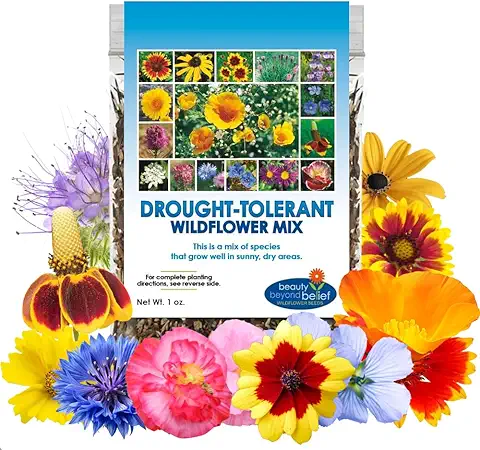
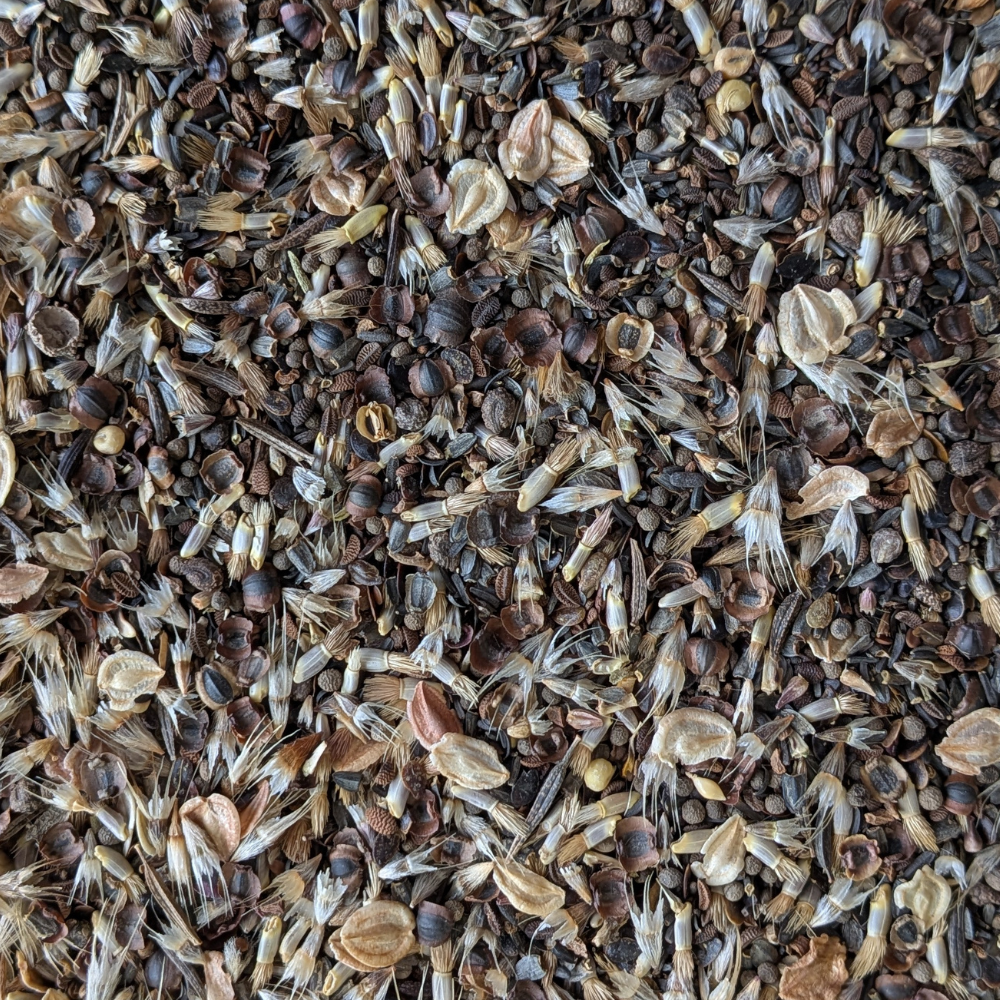
Our Drought-Tolerant Wildflower Mix is an excellent choice for adding color to sunny, dry areas with limited water. We blended annual and perennial wildflowers, including native and introduced varieties, to create a garden with a naturalized look and better adaptability in low-rainfall landscapes. We especially like this mix for open areas, borders, and hard-to-fill spaces along pavement where heat and reflected sun can be a challenge.
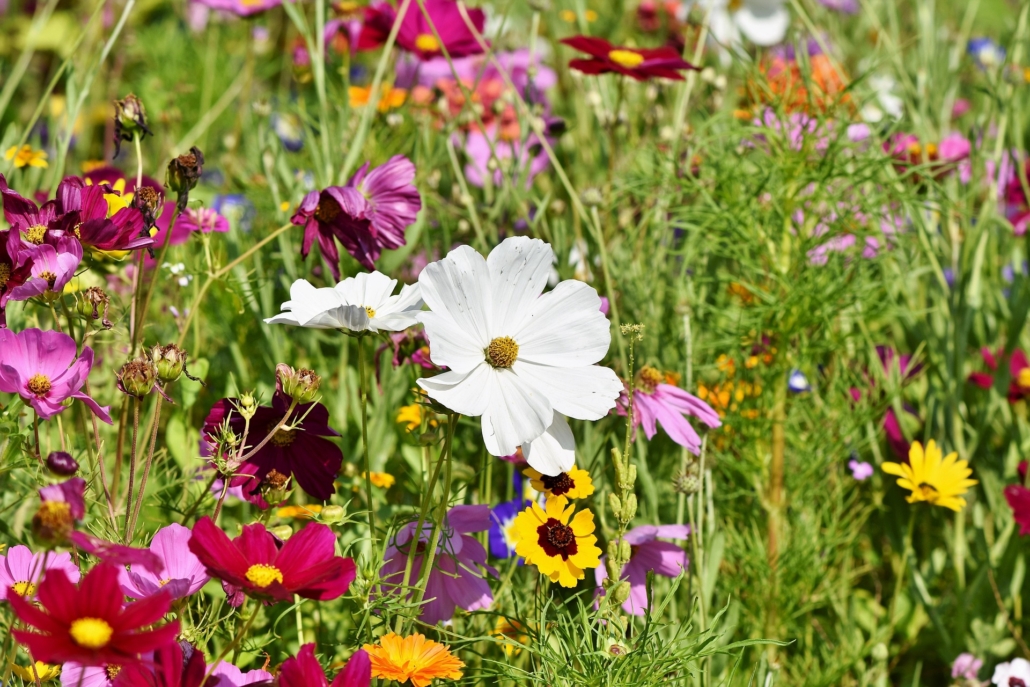
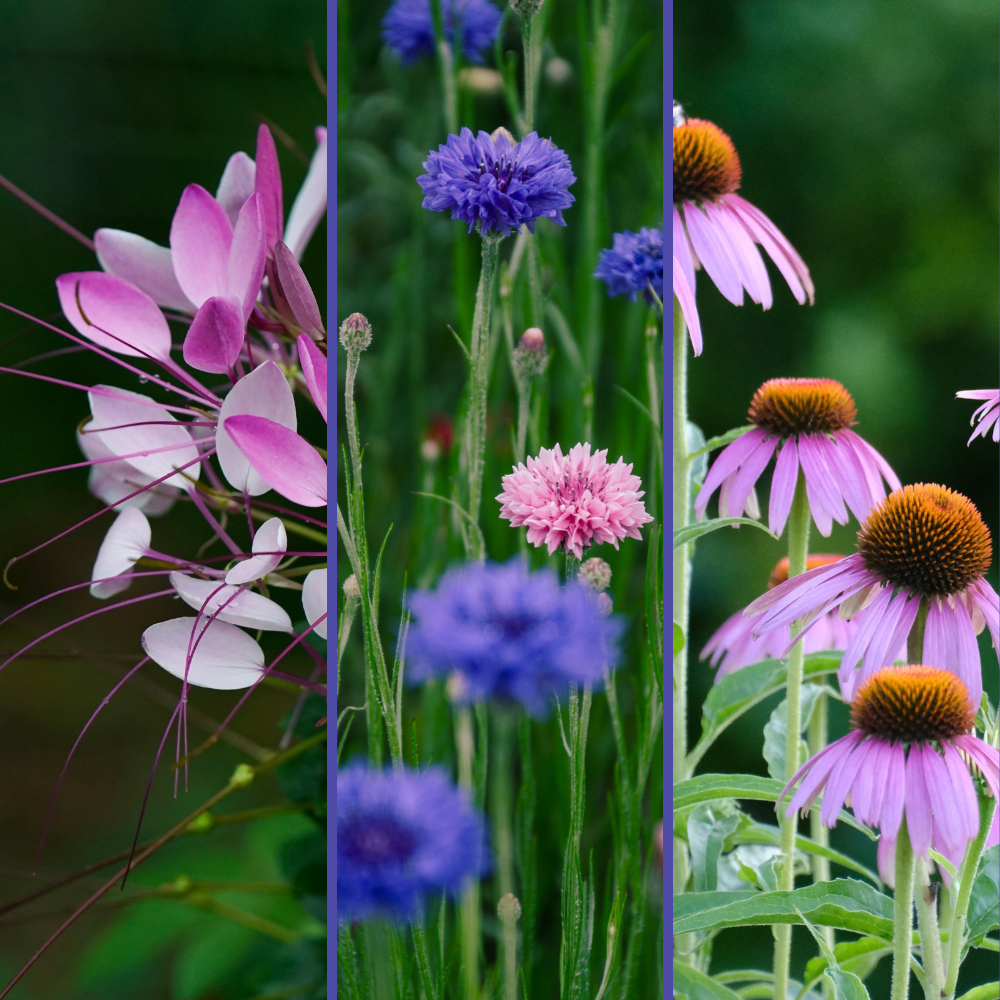
With 21 unique flowering species, this seed mix will have blooms from spring through fall and supports butterflies, bees, and birds!
Quick Specs
- Mix Type: Annual and perennial wildflowers (introduced and native blend)
- Best For: Sunny, dry areas; along paving; low annual rainfall sites
- Sun: Full sun
- Soil: Best in well-drained soils
- Use Areas: Sunny dry areas, low-rainfall sites, borders, paved edges, and water-wise landscapes
- Color: Multicolored
- Zones: 2 to 9
- Available Sizes: 1 oz, 4 oz, 8 oz, 1 lb
- Coverage Snapshot (lush to moderate): 1 oz covers 100 to 150 sq ft; 1 lb covers 1,500 to 2,000 sq ft
Why?
We designed this drought-tolerant wildflower mix for gardeners, landscapers, and homeowners who want dependable color without high-water use. The mix supports a more natural, relaxed display and works well in areas where heat, sun, and limited rainfall make flower establishment more difficult.
Where?
Use this mix in full sun where there’s good soil drainage, and the site runs dry. It is a strong fit for low-water landscapes, roadside-style borders, open beds, and areas along driveways, sidewalks, or other paved surfaces.
When?
Plant in the fall to over-winter seeds for early spring growth; plants may sprout two to three weeks earlier than spring plantings. Or, plant in early spring with spring rainfall.
Water?
If irrigation is possible, soak the area once and keep the soil moist until germination. In dry climates or during drought, up to 1/2 inch of irrigation per week may be needed after germination until plants are well established.
Best Planting Season:
The ideal time to sow is in spring or late fall, when the soil has cooled, and moisture is more reliable; however, sowing in other seasons can be successful, especially in more temperate zones. Spring and fall planting windows help improve establishment and support more germination in a drought-tolerant wildflower mix.
Easy Planting Instructions:
- Prepare the site: Remove weeds, grasses, and debris. Choose a sunny, well-drained area.
- Build the seedbed: Loosen the top 2 to 3 inches and firm the surface for good seed contact.
- Spread seed evenly: Broadcast seed in two directions for even coverage.
- Cover lightly: Lightly rake in and cover with a thin layer of soil or mulch, no deeper than 1/8 to 1/4 inch.
- Press for contact: Gently press seed into the surface to improve seed-to-soil contact.
- Water during establishment: Keep the surface consistently moist until germination, then taper as plants root.
Growth Requirements:
- Full sun
- Well-drained soil
- Best performance in sunny, dry areas
- Good fit for low-rainfall and water-wise landscape
- Avoid persistently soggy or heavily shaded sites
Seeding Rate: (from lush to moderate coverage)
- 1 oz: 100 to 150 sq ft
- 4 oz: 375 to 500 sq ft
- 8 oz: 750 to 1,000 sq ft
- 1 lb: 1,500 to 2,000 sq ft
- 5 lb: 7,500 to 10,000 sq ft
- 10 lb: 15,000 to 25,000 sq ft
- 25 lb: 1 to 2 acres (1 acre = 43,560 sq ft)
Watering During Establishment:
Water is most important early. Keep the soil moist through germination. After germination, continue with consistent moisture. In dry climates or drought, up to 1/2 inch of irrigation per week may be required until plants are well established.
Maintenance and What to Expect:
Annuals typically provide earlier color, while perennials focus on roots first and become more noticeable over time. Once established, this mix is designed for lower-water landscapes, but seedlings still need moisture during establishment.
Common Mistakes to Avoid:
- Burying seed too deep
- Seeding into heavy weeds without removal
- Letting the seedbed dry out during germination
- Over-mulching and smothering seed
- Watering too hard and washing seed downhill
Mix Contents
We blended drought-capable annuals and perennials to bring color to sunny, low-water landscapes.
- California Poppy, Orange: Bright orange blooms for hot, dry, sunny beds
- Lacy Phacelia: Soft purple blooms that handle lean soils well
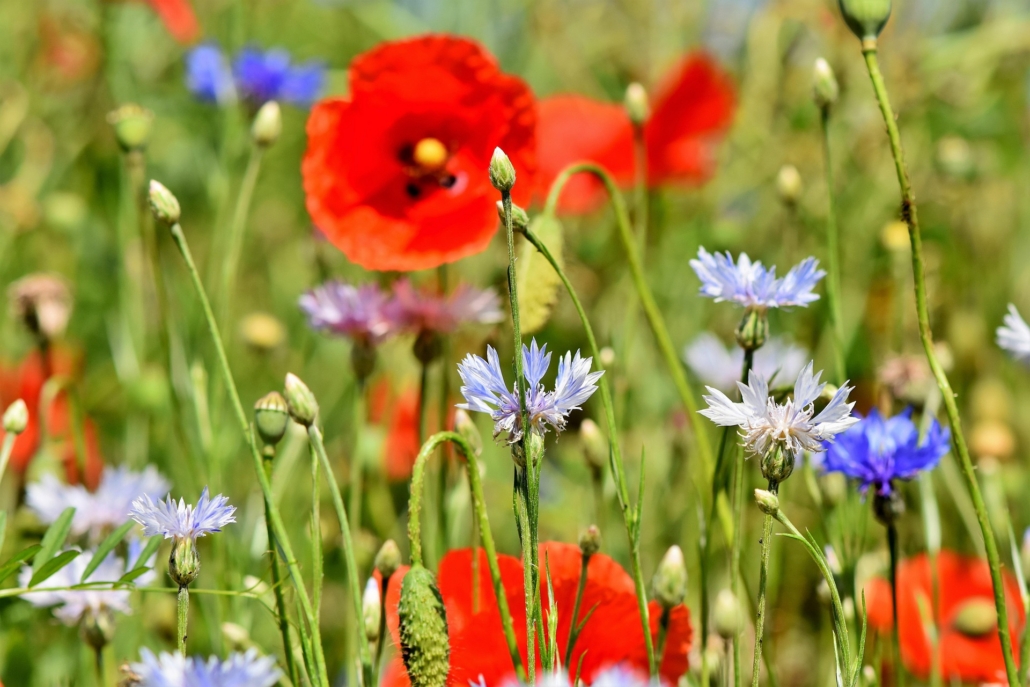
- Bachelor Button: Easy blue blooms with strong first-year color
- Blue Flax: Blue flowers and a tough, drought-friendly growth habit
- Shirley Poppy, Mixed: Bold mixed-color poppies for quick seasonal impact
- Shirley Poppy, Red: Classic red poppies that thrive in full sun
- Mexican Hat: Drought-hardy blooms with a distinct, drooping petal shape
- Plains Coreopsis: Bright yellow blooms that perform well in heat
- Cosmos, Sensation Mix: Tall, airy blooms for sunny, dry borders
- Lance-leaf Coreopsis: Long-blooming perennial color once established
- Firewheel: Tough perennial with red-yellow blooms for dry sites
- Indian Blanket: Heat-tolerant color that holds well in summer sun
- Gloriosa Daisy: Big, showy blooms with strong summer color
- Black-eyed Susan: Reliable blooms that return and spread over time
- Prairie Coneflower: Dry-site performer with warm, prairie-style color
- Rocky Mtn Beeplant: Pollinator-friendly annual that handles disturbed, dry soils
- Sweet Alyssum: Low blooms that fill gaps and add light fragrance
- Desert Bluebells: Deep blue blooms that love sun and well-drained soils
- Rocky Mtn Penstemon: Spikes of color that suit dry, sunny landscapes
- African Daisy: Bright daisy blooms that thrive in heat and sun
- Gayfeather: Vertical purple blooms that add structure and summer color
Mix contents listed as of 03.18.24. Please call for current varieties.



Reviews
There are no reviews yet.