Description
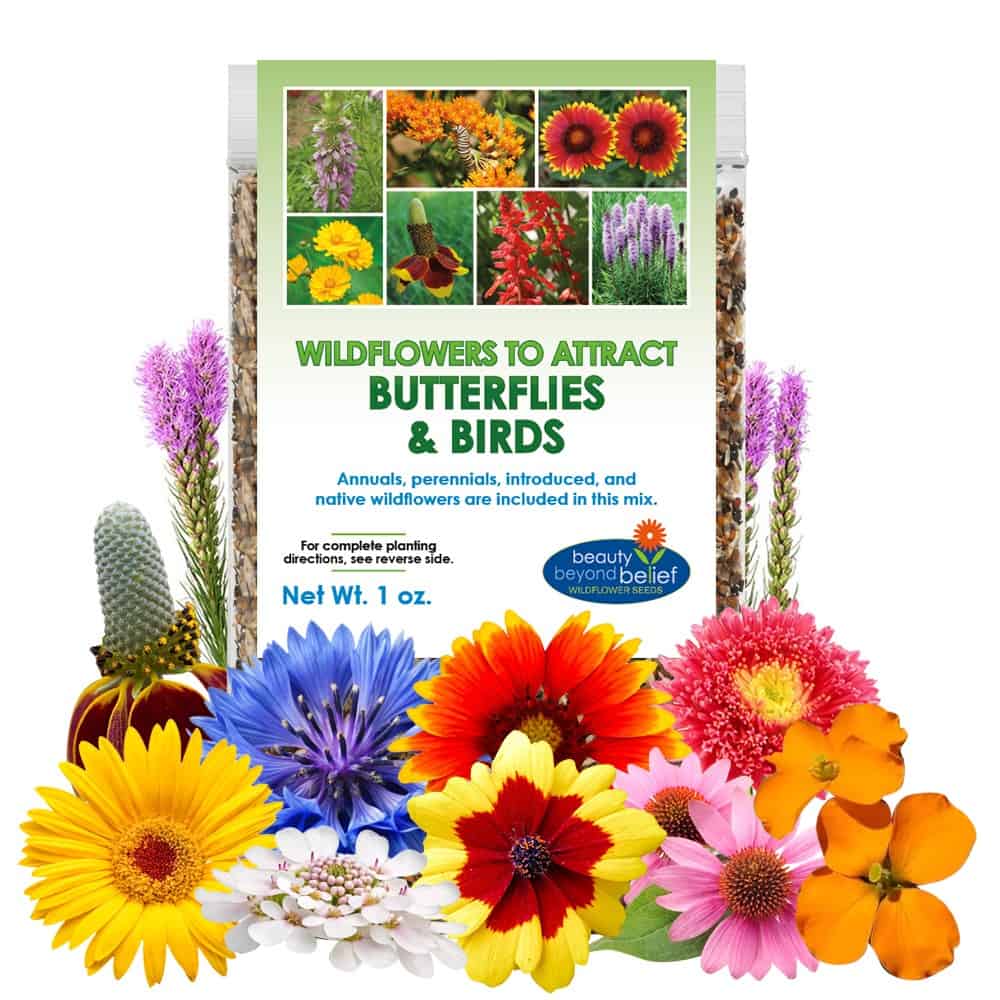
Butterflies and Birds Wildflowers
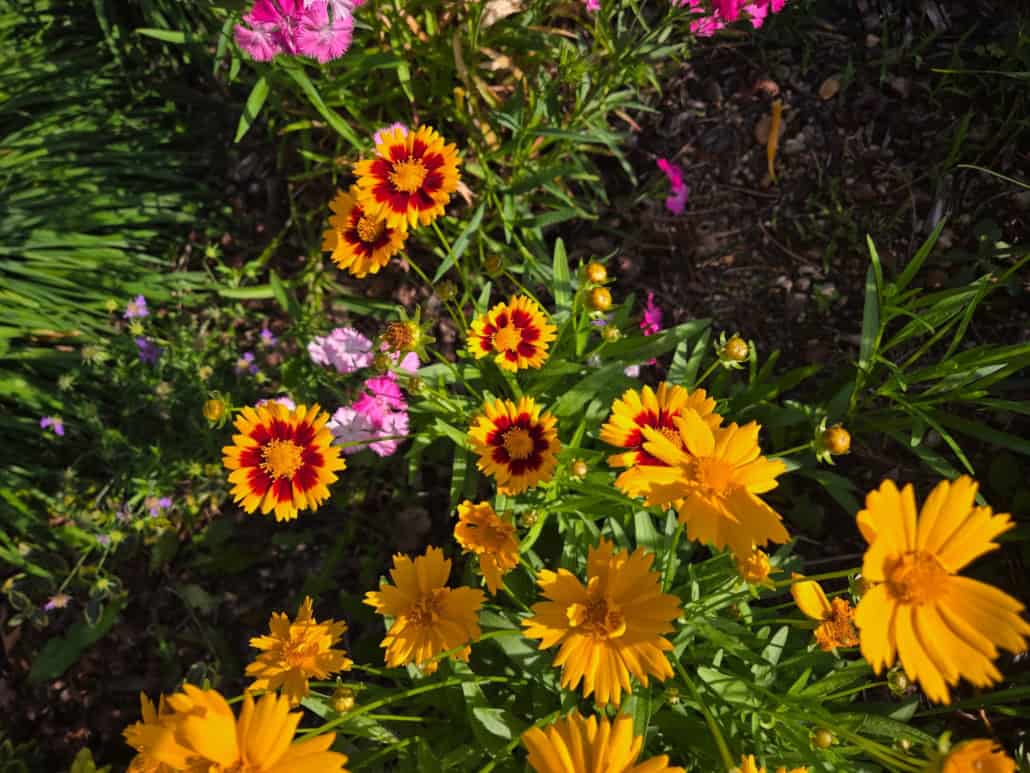
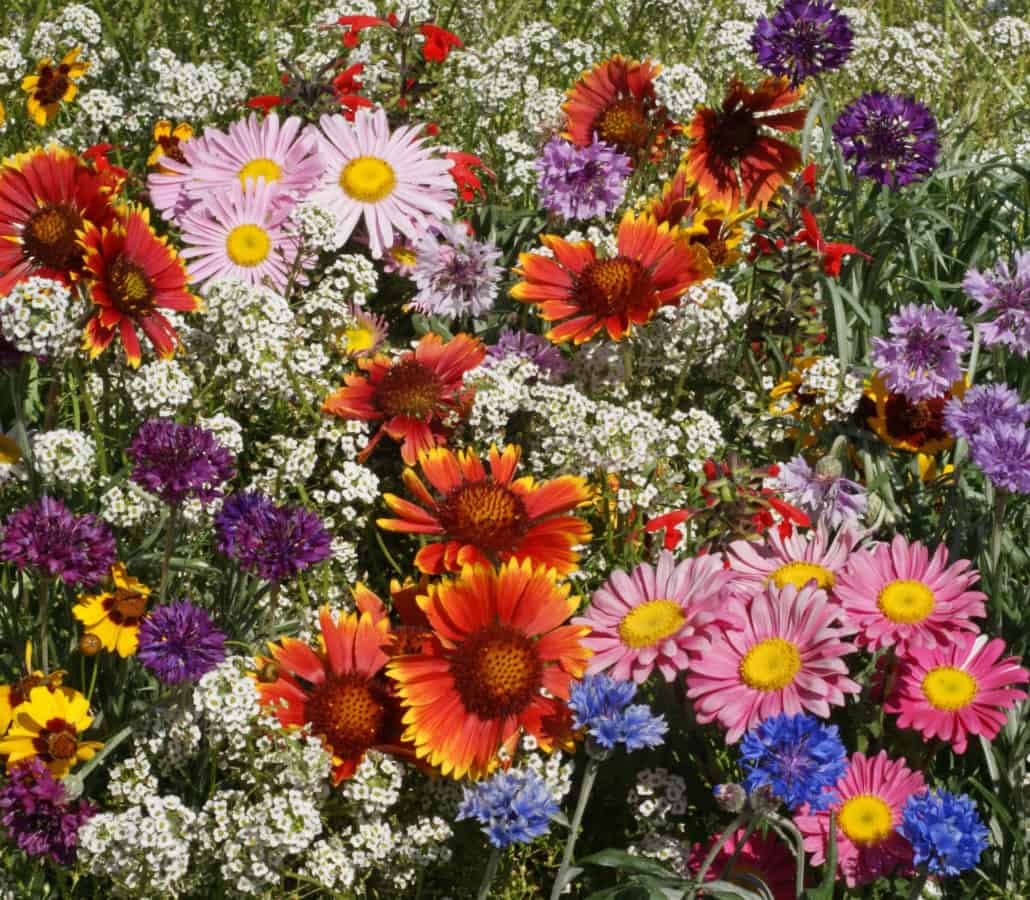
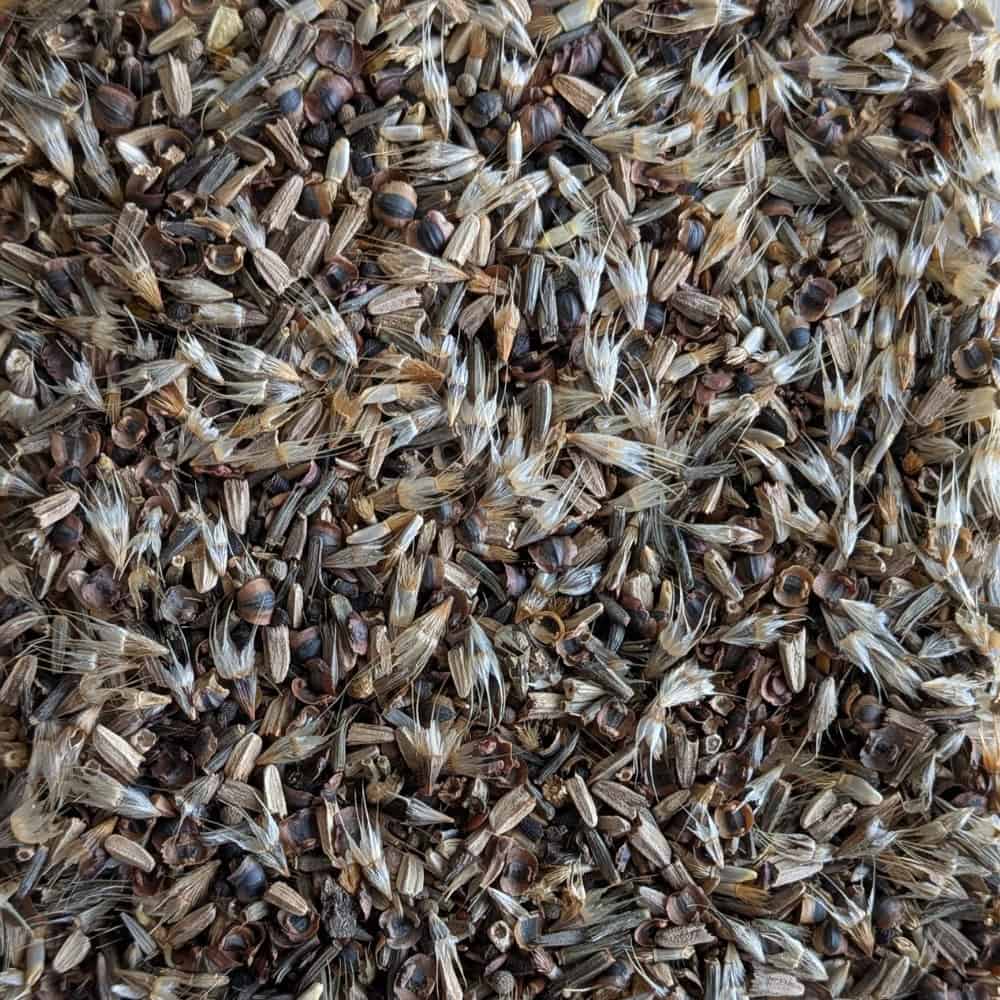
Bring your garden to life with our Butterfly and Bird Wildflower Mix, a carefully selected blend of colorful annuals and perennials designed to attract butterflies, songbirds, hummingbirds, bees, and other beneficial pollinators. This diverse mixture provides a season-long display of vibrant blooms in the shades of purple, red, orange, yellow, blue, pink, and white while creating valuable habitat and food sources for wildlife. Easy to grow and adaptable to a wide range of conditions, this mix is ideal for wildflower meadows, pollinator gardens, borders, naturalized areas, and backyard habitats.
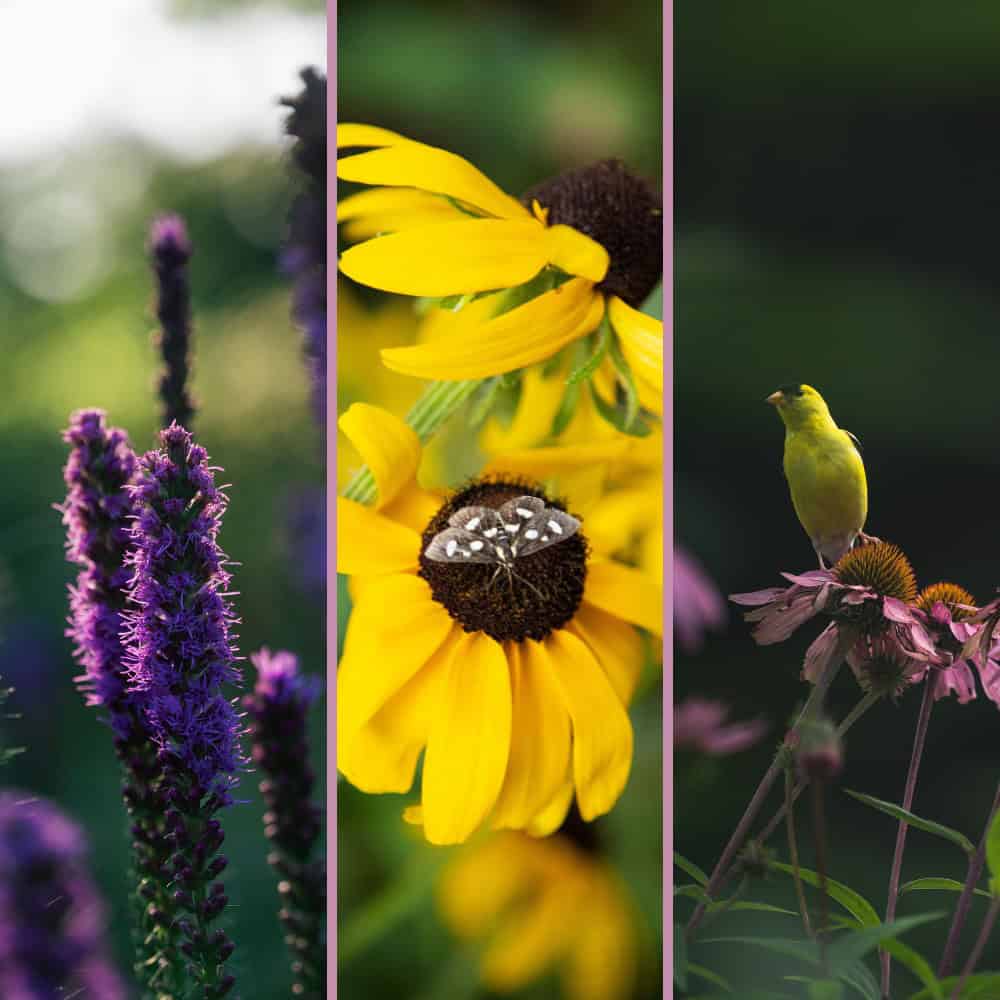
The Butterfly and Bird Wildflower Mix combines nectar-rich flowers, seed-producing favorites, and native-inspired species to support wildlife throughout the growing season. Butterfly Milkweed, Purple Coneflower, Scarlet Sage, Lemon Mint, and Gayfeather Liatris provide abundant nectar for butterflies, bees, and hummingbirds. While Black-eyed Susan, Coreopsis, Bachelor Button, and Coneflowers produce seeds that are enjoyed by songbirds later in the season. California Poppy, Indian Blanket, Mexican Hat, China Aster, Rocket Larkspur, and other colorful blooms create an ever-changing display from spring through fall. This seed mix helps transform gardens into thriving pollinator havens while providing beauty, biodiversity, and continuous seasonal interest.
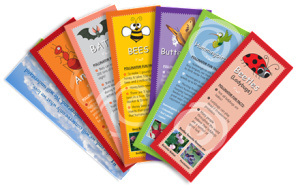
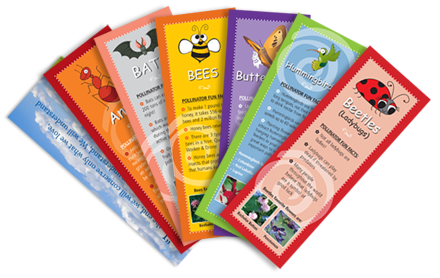
Also, check out BBB Seed pollinator stickers and bookmarks!

I love pollinator stickers and bookmarkers!
Recommended Seeding Rates
(from lush to moderate coverage)
1 oz. 100 -150 sq ft.
4 oz. 375 – 500 sq ft.
8 oz. 750 – 1000 sq ft.
1 lb. 1,500 – 2,000 sq ft.
5 lb. 7,500 – 10,000 sq ft.
10 lb 15,000 – 25,000 sq ft.
25 lb. 1-2 acres (1 acre = 43,560 sq ft.)
Best Planting Season:
Wildflowers can be planted in early spring or in late fall for dormant seeding. For spring planting, sow one month before the last hard freeze. For late fall planting, sow when freezing nighttime temperatures are consistent so the seed stays dormant until spring.
Easy Planting Instructions:
- Prepare the soil: Remove weeds and grasses, then loosen only the top layer of soil for better seed-to-soil contact.
- Spread the seeds evenly: Divide the seeds into two or more batches and scatter each batch over the entire area to avoid uneven coverage.
- Cover lightly: Rake gently to snuggle the seed into the top layer of soil. Cover only to about 1/8 inch, then press the soil down with your hands or a wide board. Use only a thin layer of mulch to hold moisture.
- Water regularly: Gently soak the area and maintain consistent moisture for 4 to 6 weeks. If irrigation is not practical, aim to plant when natural moisture is most reliable.
- Maintenance: Early seedlings can look like weeds. Wait until plants are recognizable or blooms appear before pulling weeds. Expect a strong annual display the first season, with perennials building strength into years two and three.
Growth Requirements:
Moisture must be present for germination.
Wildflower seeds often need light to germinate, so do not bury the seeds deeply.
For improved distribution in larger areas, you can mix seed with clean sand and use a spreader.
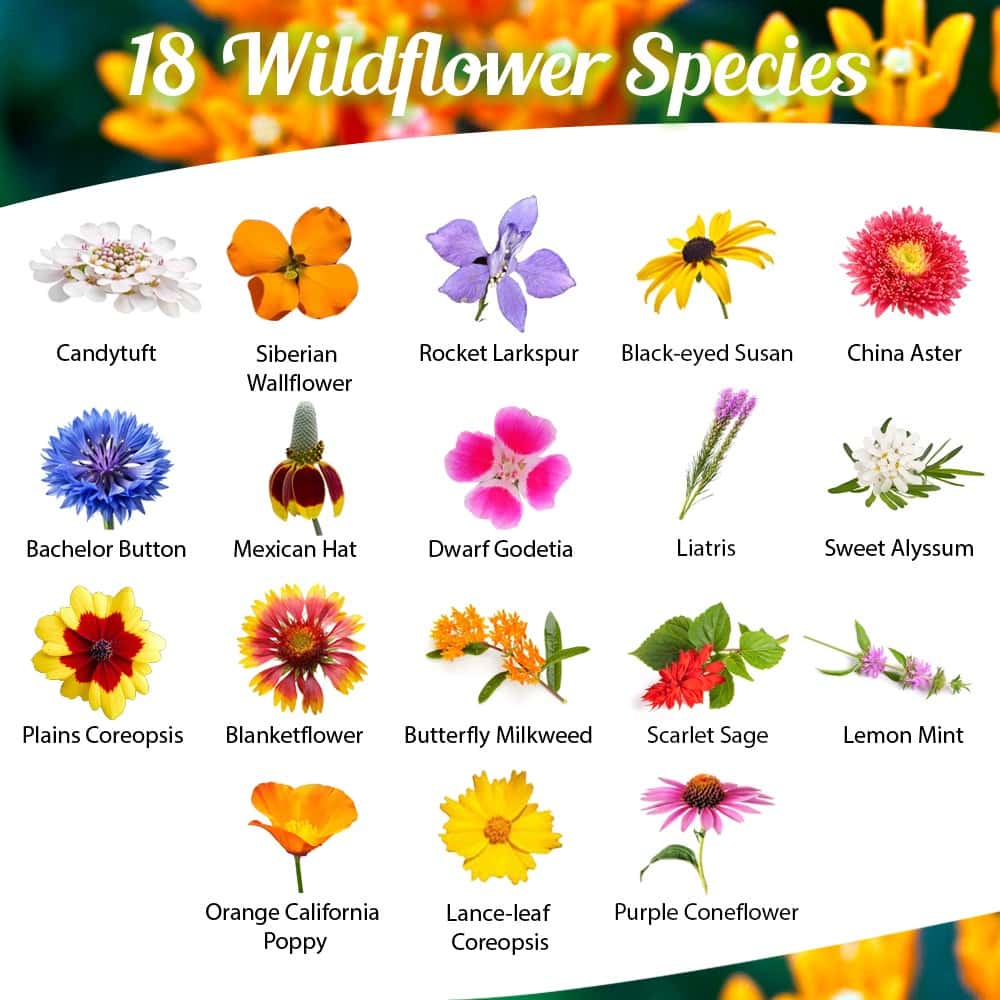
Mix Contents
Candytuft (Iberis umbellata)
Siberian Wallflower (Cheiranthus allionii)
Gayfeather liatris (Liatris spicata)
Rocket Larkspur (Delphinium consolida)
Purple Coneflower (Echinacea purpurea)
Firewheel (Gaillardia aristata)
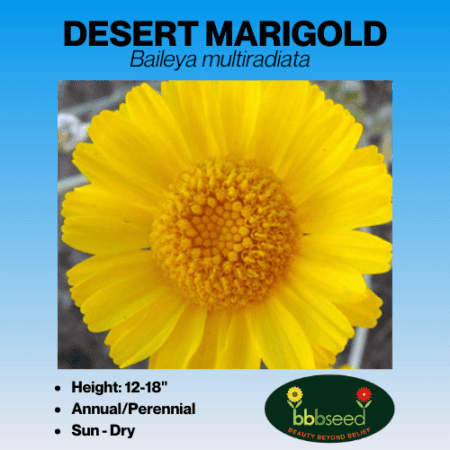
California Poppy (Eschscholzia californica)
Scarlet Sage (Salvia coccinea)
China Aster (Callistephus chinensis)
Bachelor Button (Centaurea cyanus)
Indian Blanket (Gaillardia pulchella)
Lance leaf Coreopsis (Coreopsis lanceolata)
Mexican Hat (Ratibida columnifera)
Dwarf Godetia (Clarkia amoena)
Plains Coreopsis (Coreopsis tinctoria)
Butterfly Milkweed (Asclepias tuberosa)
Sweet Alyssum (Lobularia maritima)
Black-eyed Susan (Rudbeckia hirta)
Lemon Mint (Monarda citriodora)




Reviews
There are no reviews yet.