Description
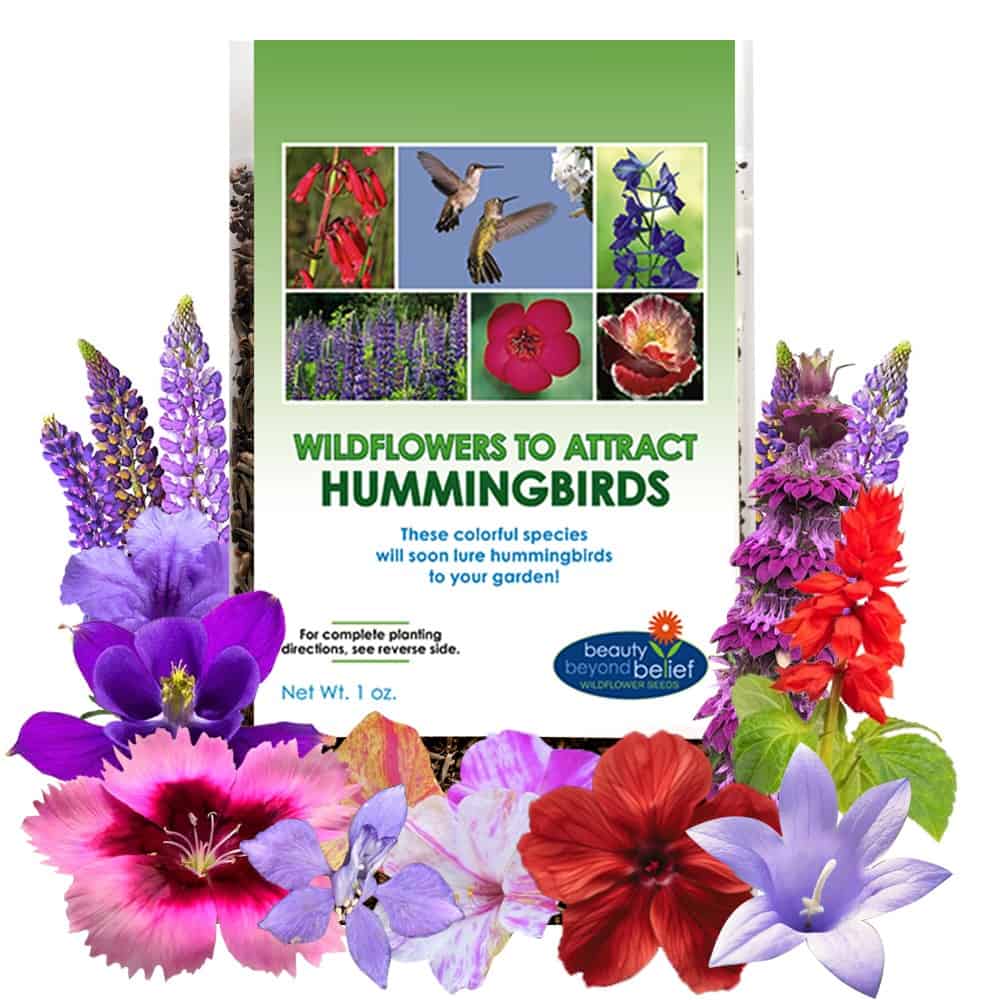
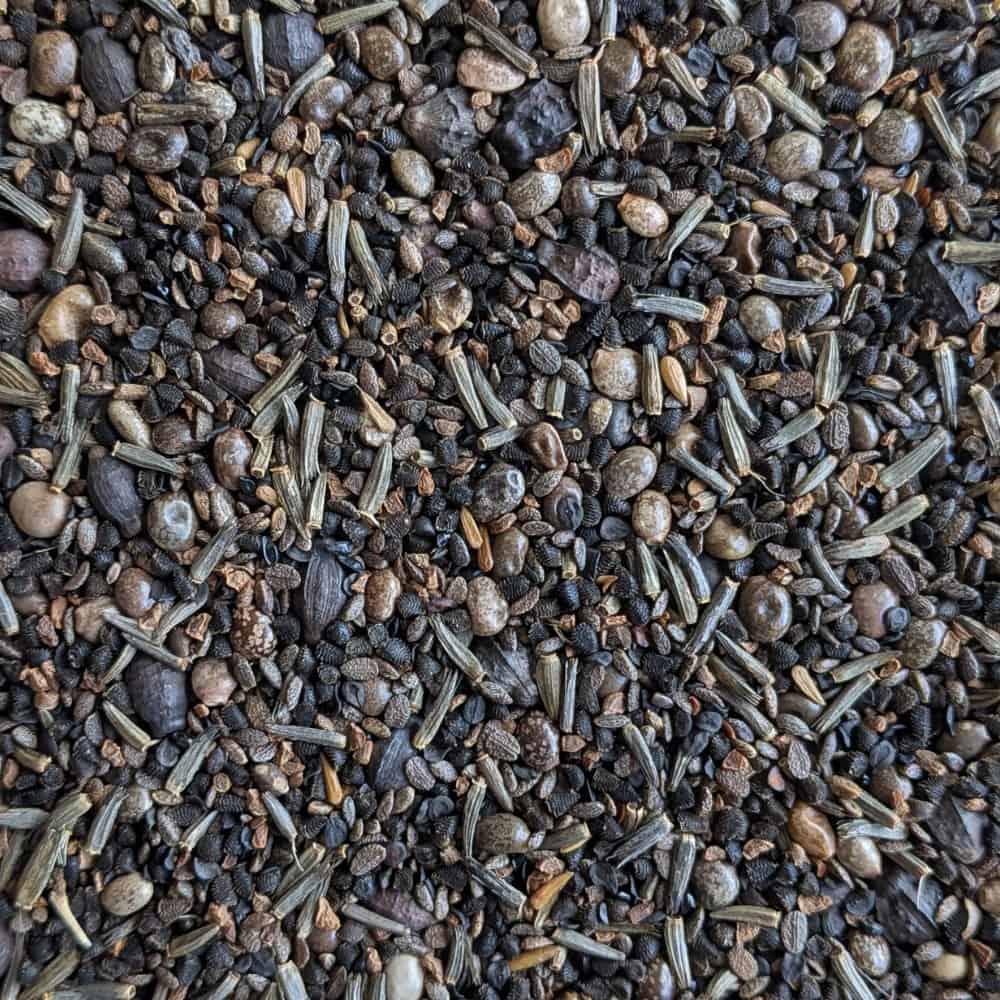
Hummingbird Wildflower Seed Mix
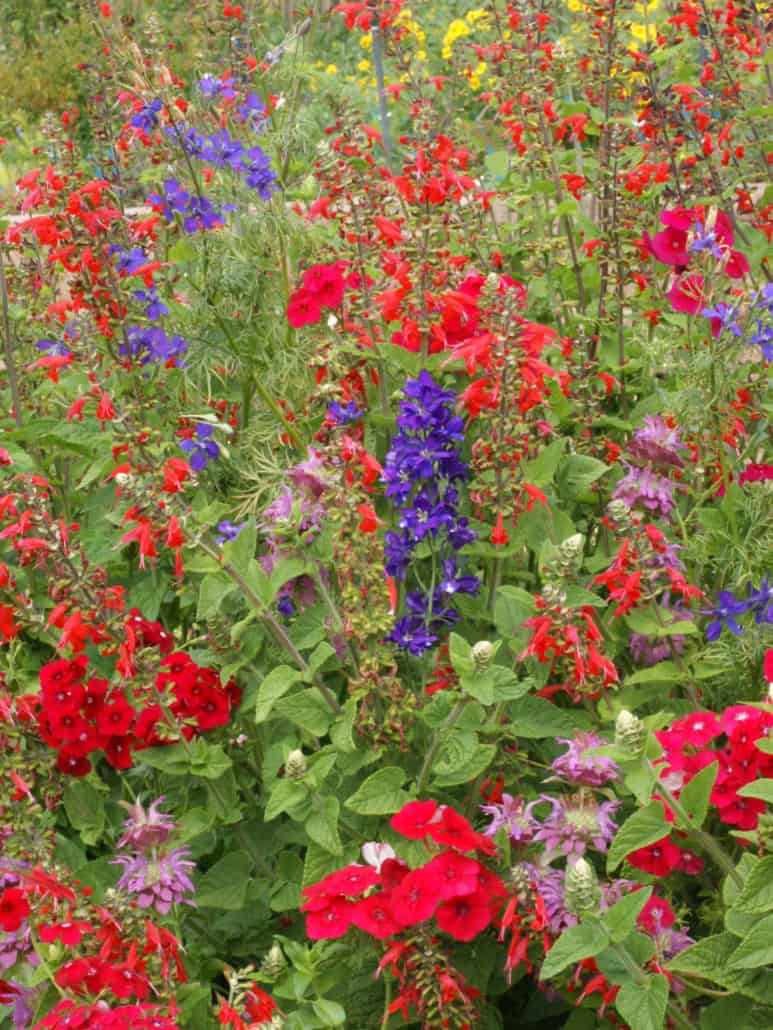
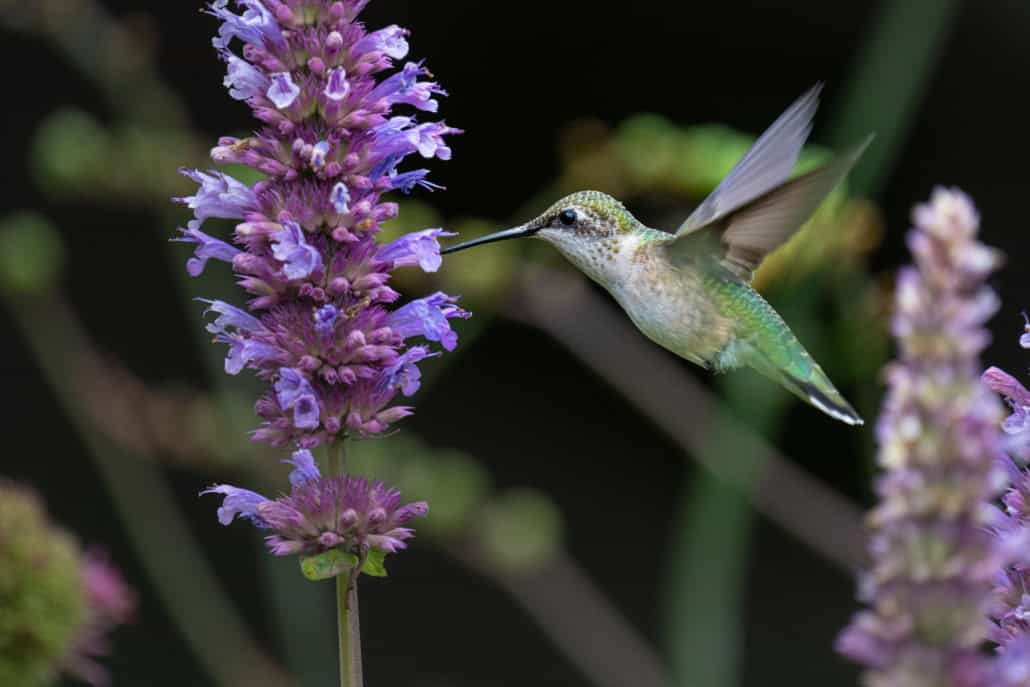
Turn your garden into a hummingbird haven with our Hummingbird Wildflower Mix, a vibrant blend of nectar-rich annuals and perennials selected specifically to attract hummingbirds throughout the growing season. Featuring brilliant shades of red, purple, pink, blue, and orange, this colorful mix provides abundant nectar sources while creating a stunning display of blooms from spring through fall. Annual flowers provide quick color and nectar during the first season, while long-lived perennials establish themselves to provide years of beauty and wildlife support.
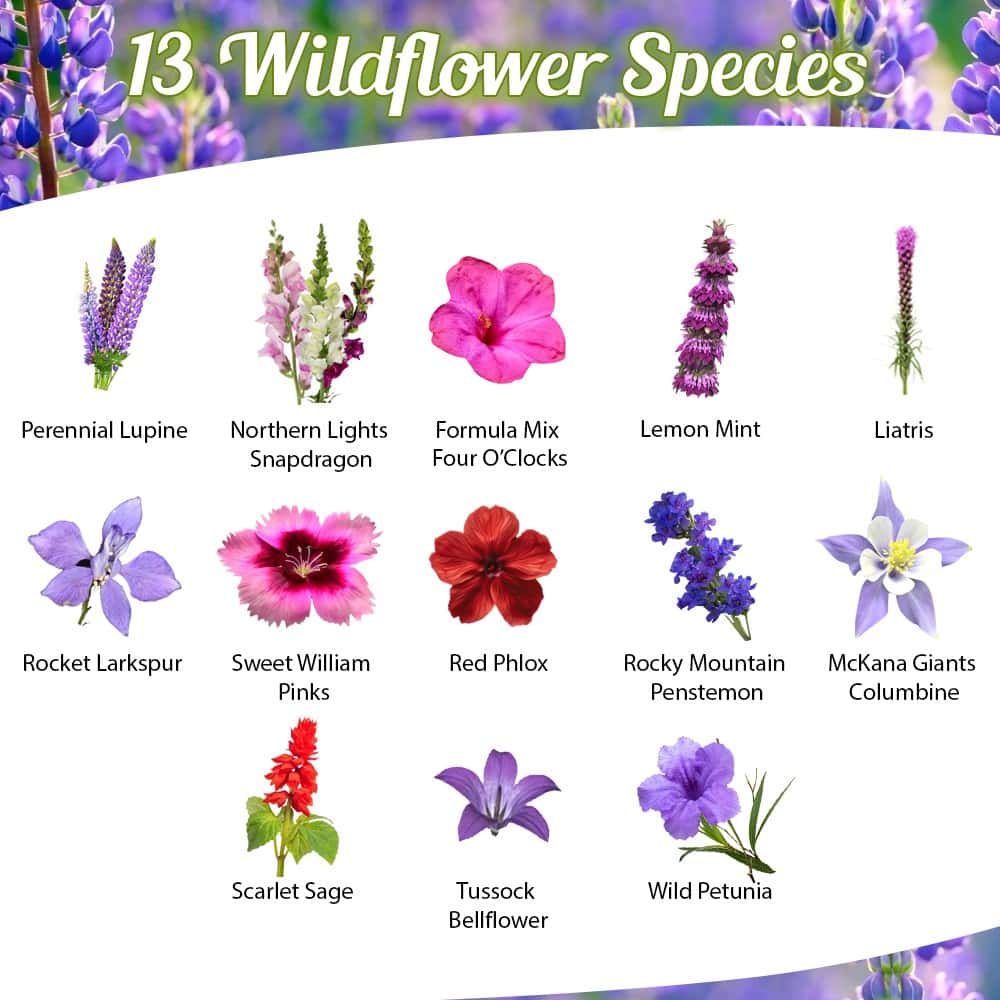
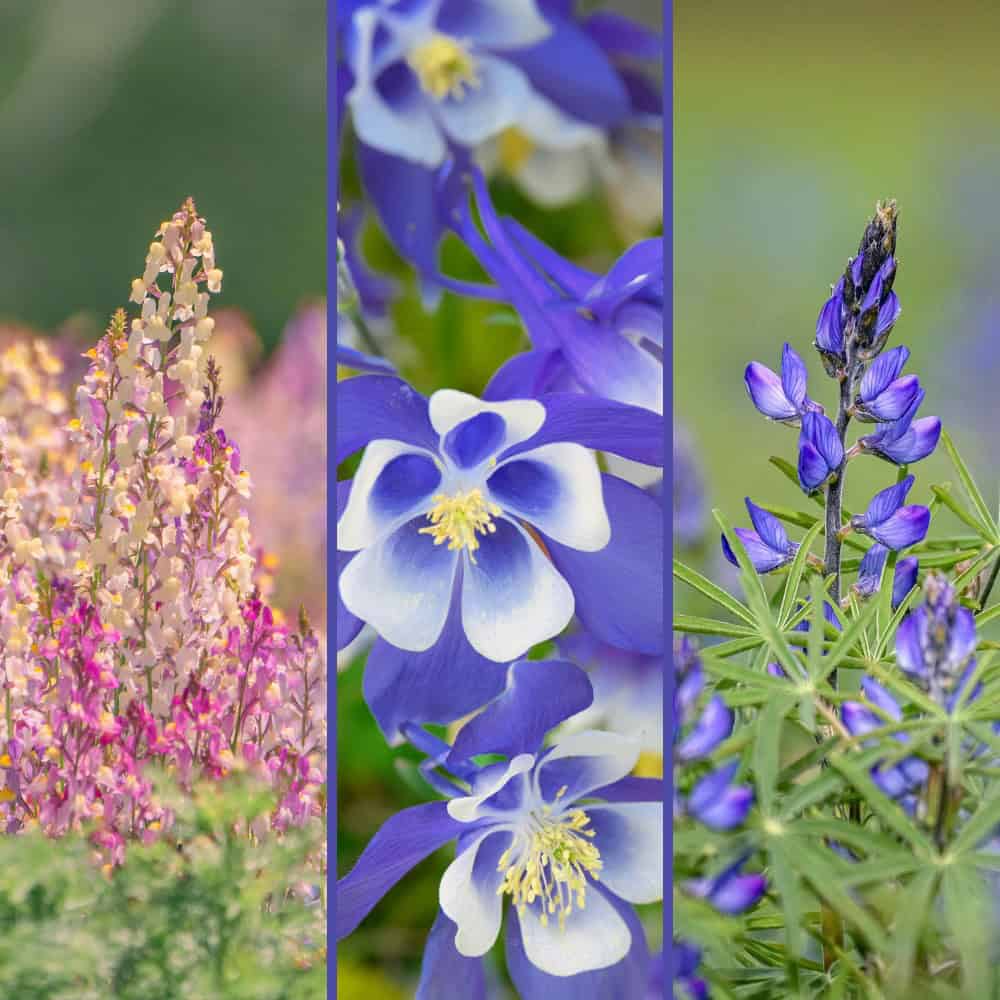
The Hummingbird Wildflower Mix combines some of the most beloved hummingbird flowers into one easy-to-grow blend. Scarlet Sage, Rocky Mountain Penstemon, Red Phlox, Columbine, Lupine, Lemon Mint, and Gayfeather Liatris offer abundant nectar that hummingbirds seek throughout the season. Other colorful flowers, such as Rocket Larkspur, Four O’Clocks, Petunias, Sweet William, Bellflower, and Snapdragon, create a continuous succession of blooms. With a combination of annuals for first-year color and perennials for lasting performance, this mix helps create a beautiful, wildlife-friendly garden that supports hummingbirds and other important pollinators year after year.
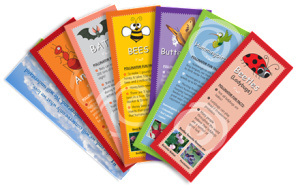
Also, check out BBB Seed pollinator stickers and bookmarks!

“I love pollinators” stickers and bookmarkers
Recommended Seeding Rates
(from lush to moderate coverage)
1 oz. 100 -150 sq ft.
4 oz. 375 – 500 sq ft.
8 oz. 750 – 1000 sq ft.
1 lb. 1,500 – 2,000 sq ft.
5 lb. 7,500 – 10,000 sq ft.
10 lb 15,000 – 25,000 sq ft.
25 lb. 1-2 acres (1 acre = 43,560 sq ft.)
Best Planting Season:
Wildflowers can be planted in early spring or in late fall for dormant seeding. For spring planting, sow one month before the last hard freeze. For late fall planting, sow when freezing nighttime temperatures are consistent so the seed stays dormant until spring.
Easy Planting Instructions:
- Prepare the soil: Remove weeds and grasses, then loosen only the top layer of soil for better seed-to-soil contact.
- Spread the seeds evenly: Divide the seeds into two or more batches and scatter each batch over the entire area to avoid uneven coverage.
- Cover lightly: Rake gently to snuggle the seed into the top layer of soil. Cover only to about 1/8 inch, then press the soil down with your hands or a wide board. Use only a thin layer of mulch to hold moisture.
- Water regularly: Gently soak the area and maintain consistent moisture for 4 to 6 weeks. If irrigation is not practical, aim to plant when natural moisture is most reliable.
- Maintenance: Early seedlings can look like weeds. Wait until plants are recognizable or blooms appear before pulling weeds. Expect a strong annual display the first season, with perennials building strength into years two and three.
Growth Requirements:
Moisture must be present for germination.
Wildflower seeds often need light to germinate, so do not bury the seeds deeply.
For improved distribution in larger areas, you can mix seed with clean sand and use a spreader.
Mix Contents
Rocket Larkspur (Delphinium consolida)
Perennial Lupine (Lupinus perenne)
Gayfeather Liatris (Liatris spicata)
Rocky Mountain Penstemon (Penstemon strictus)
Scarlet Sage (Salvia coccinea)
Four O’Clocks (Mirabilis jalapa)
Red Phlox (Phlox drummondii)
Dwarf Mixed Petunia (Petunia nana compacta)
McKana Giants Columbine (Aquilegia ‘McKana Giants’)
Tussock Bellflower (Campanula carpatica)
Sweet William Pinks (Dianthus barbatus)
Northern Lights Snapdragon (Linaria maroccana)
Lemon Mint (Monarda citriodora)


Reviews
There are no reviews yet.