
Description
Butterflies and Birds Wildflowers
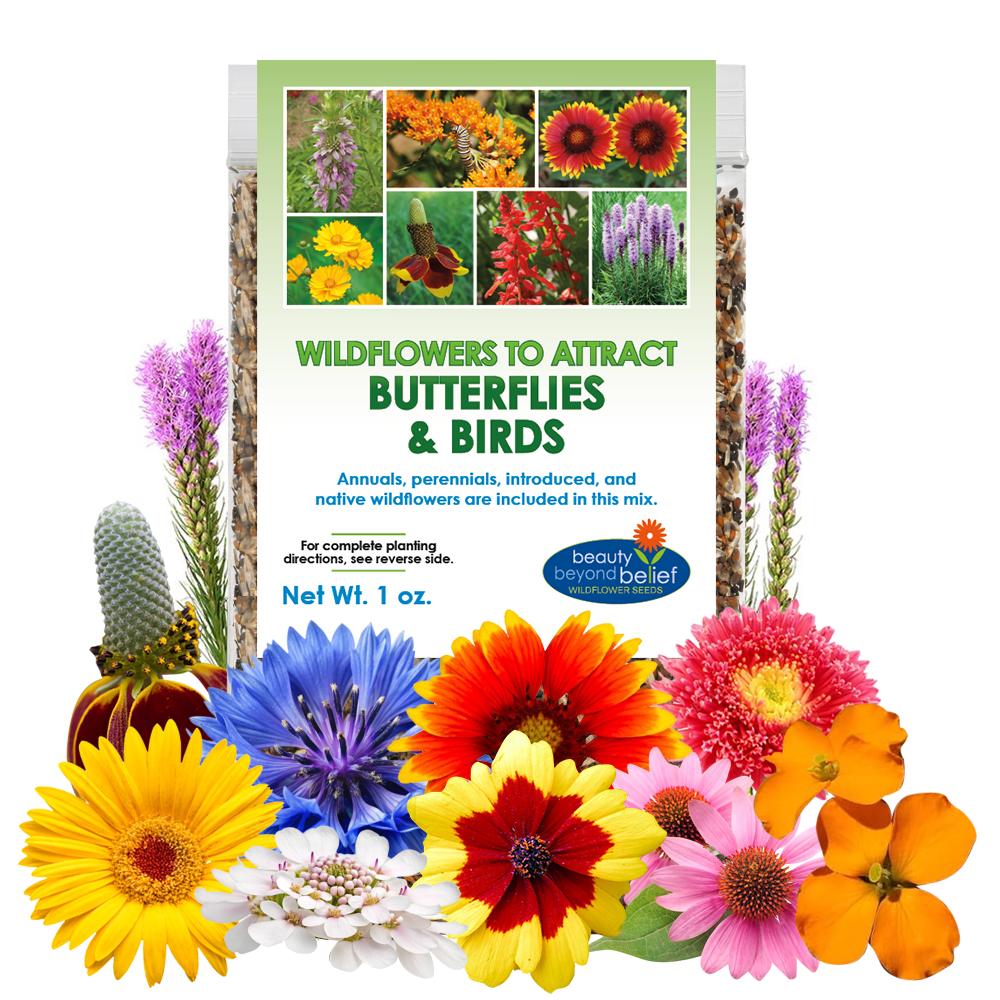
Bring your garden to life with our Butterfly and Bird Wildflower Mix, a carefully selected blend of colorful annuals and perennials designed to attract butterflies, songbirds, hummingbirds, bees, and other beneficial pollinators. This diverse mixture provides a season-long display of vibrant blooms in the shades of purple, red, orange, yellow, blue, pink, and white while creating valuable habitat and food sources for wildlife. Easy to grow and adaptable to a wide range of conditions, this mix is ideal for wildflower meadows, pollinator gardens, borders, naturalized areas, and backyard habitats.
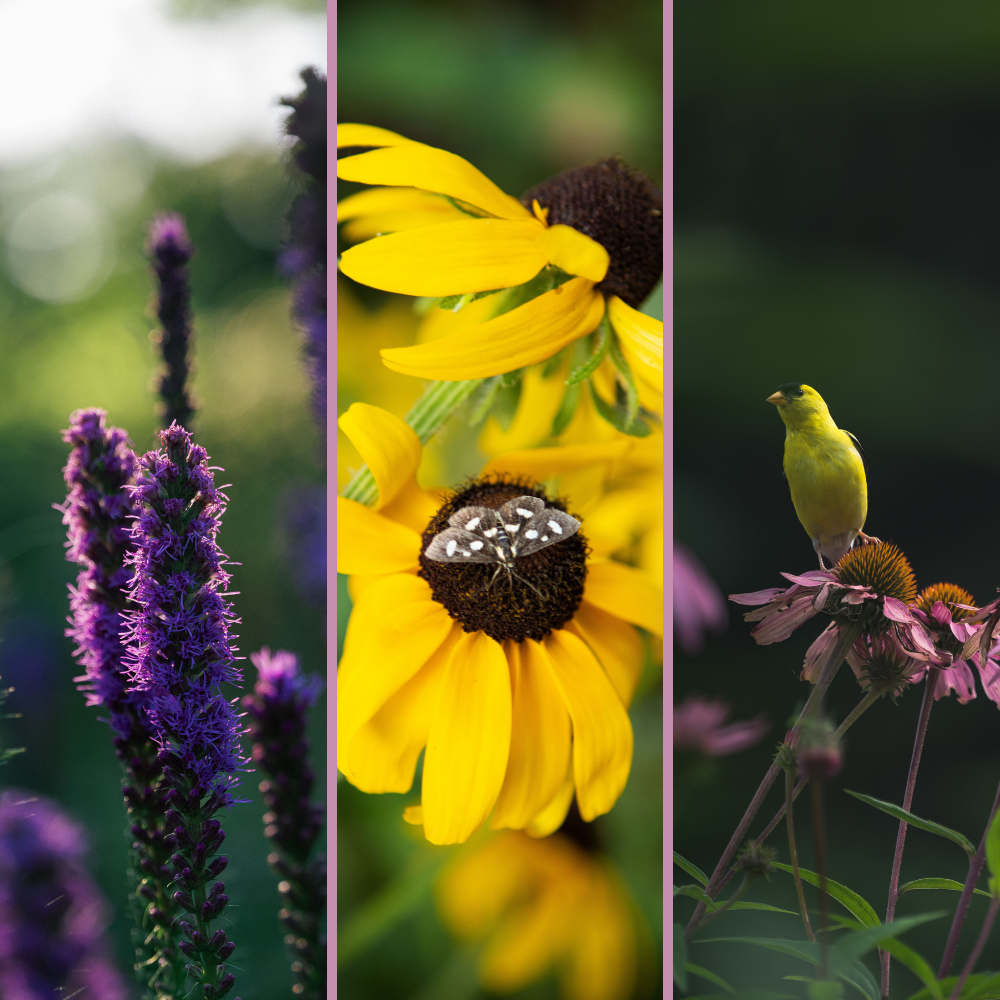
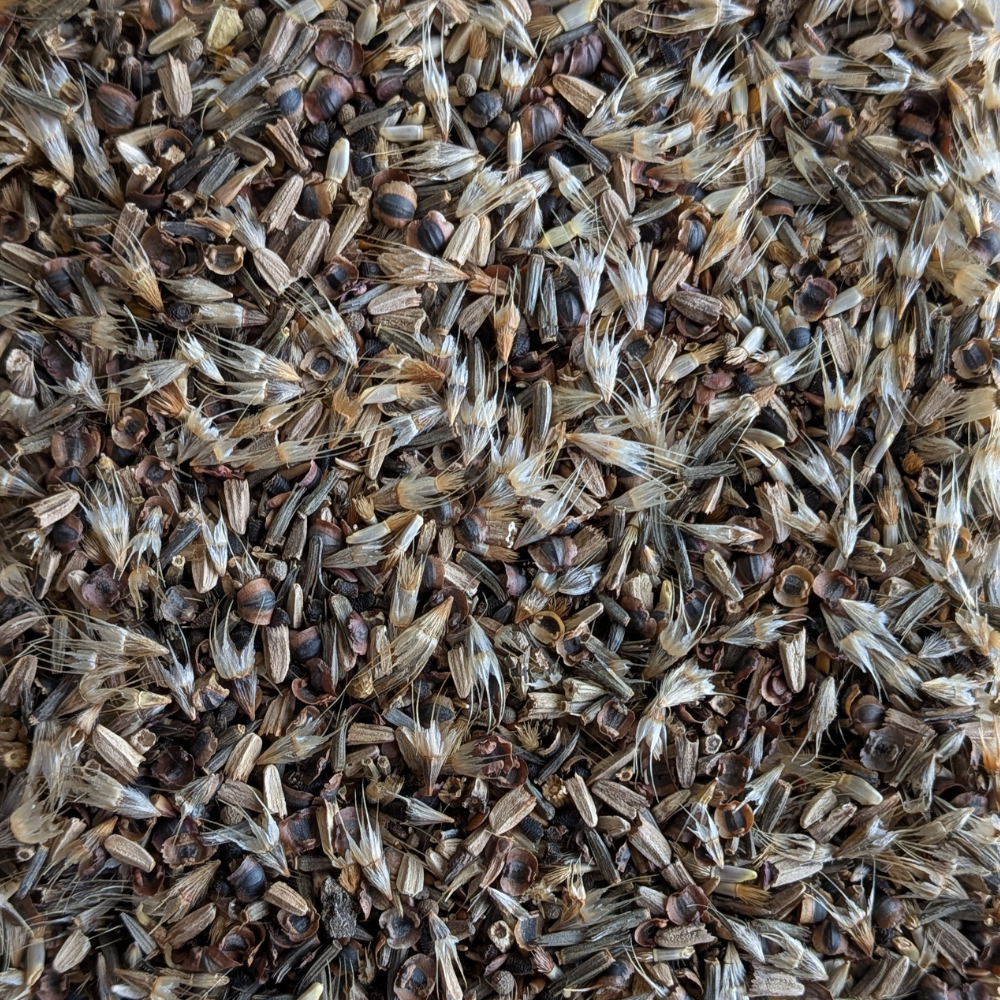
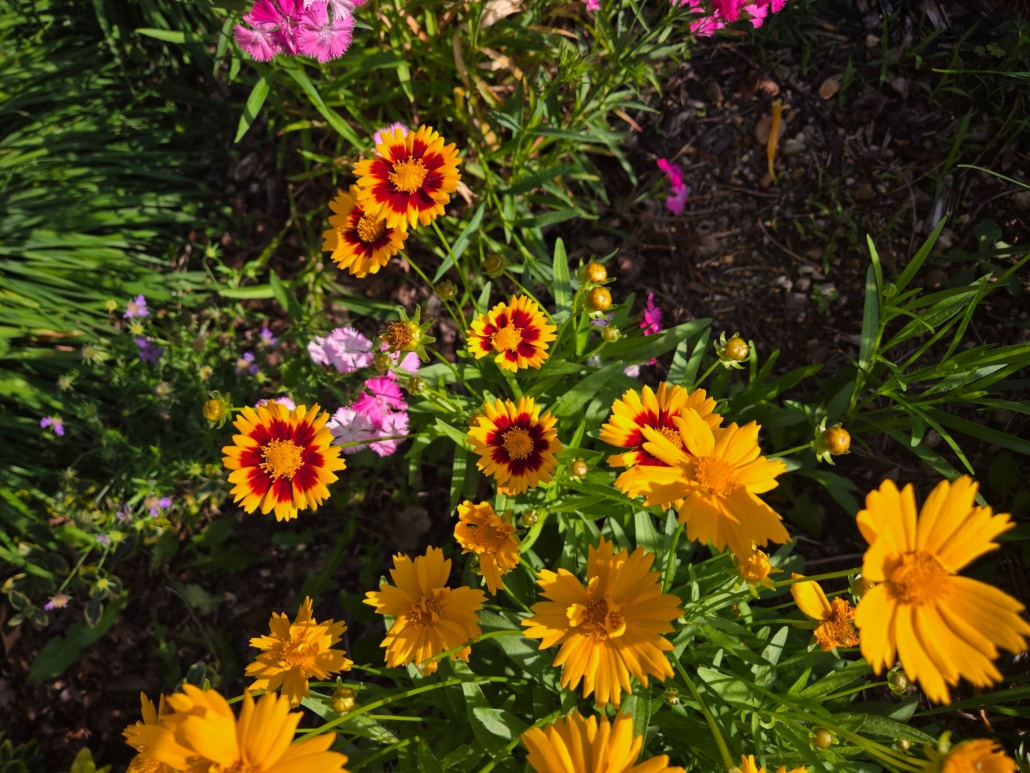
The Butterfly and Bird Wildflower Mix combines nectar-rich flowers, seed-producing favorites, and native-inspired species to support wildlife throughout the growing season. Butterfly Milkweed, Purple Coneflower, Scarlet Sage, Lemon Mint, and Gayfeather Liatris provide abundant nectar for butterflies, bees, and hummingbirds. While Black-eyed Susan, Coreopsis, Bachelor Button, and Coneflowers produce seeds that are enjoyed by songbirds later in the season. California Poppy, Indian Blanket, Mexican Hat, China Aster, Rocket Larkspur, and other colorful blooms create an ever-changing display from spring through fall. This seed mix helps transform gardens into thriving pollinator havens while providing beauty, biodiversity, and continuous seasonal interest.
Quick Specs
- Plant Type: Annual and perennial
- Bloom Timing: Spring through fall
- Color: Purple, red, orange, yellow, blue, pink, white, and more
- Sun: Full sun
- Site Fit: Pollinator gardens, butterfly and bird gardens, wildflower meadows, borders, naturalized areas, and backyard habitats
- Zones/Regions: 3-10
- High Altitude: Performs well at moderate to high elevations with adequate sunlight and moisture
- Coverage Snapshot (lush to moderate): 1 oz covers 100 to 150 sq ft; 1 lb covers 1,500 to 2,000 sq ft
Why?
Plant this mix to create a colorful, wildlife-friendly garden that provides nectar for pollinators and seeds for birds throughout the growing season.
Where?
Choose a sunny location with well-drained soil, such as a meadow, garden border, naturalized area, or backyard habitat.
When?
Sow in spring after the soil can be worked, or in fall where winter conditions help seeds break dormancy.
Water?
Keep the seedbed consistently moist during germination and early growth, then gradually reduce watering as plants become established.
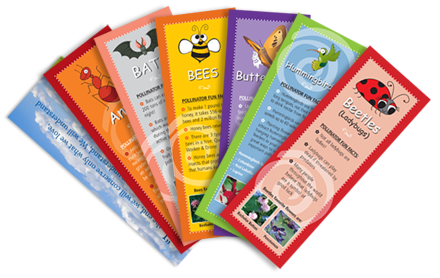
Also, check out BBB Seed pollinator stickers and bookmarks!

I love pollinator stickers and bookmarkers!


Reviews
There are no reviews yet.