Top 10 Plants for Honey Bees: Best Nectar and Pollen Plants for a Full-Season Bee Garden
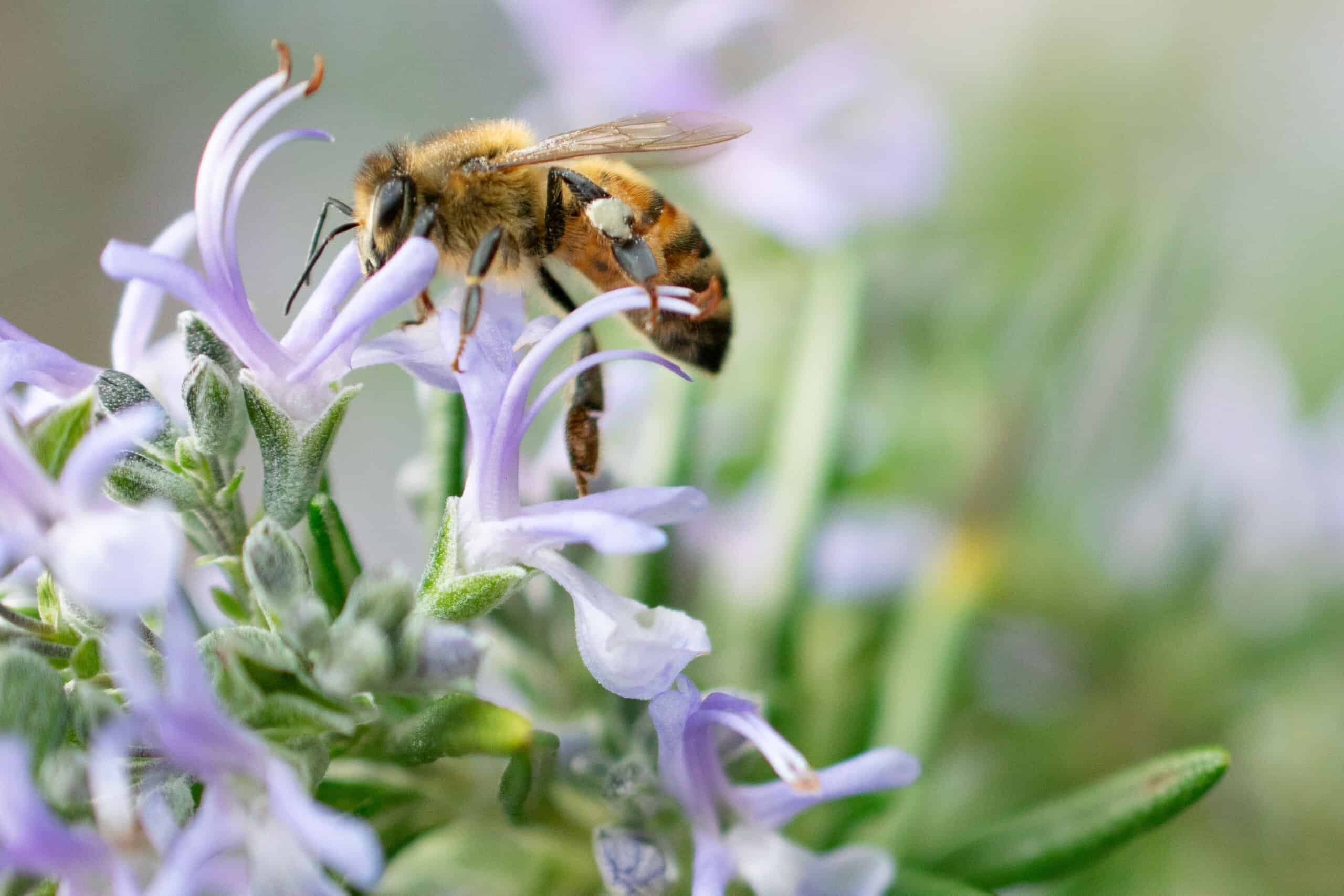
The top 10 plants for honey bees are willow, clover, borage, bee balm, anise hyssop, lavender, coneflower, sunflower, goldenrod, and aster. These plants provide honey bees with a useful mix of nectar and pollen across spring, summer, and fall. This matters because honey bees need nectar for energy and honey production, and pollen to support brood development and colony strength.
The best plants for honey bees aren’t always the showiest flowers. They’re the ones that provide a dependable source of nectar and pollen throughout the entire growing season, helping colonies thrive from spring through fall.
To provide honey bees with reliable forage throughout the growing season, BBB Seed’s Honey Source Mix is a great place to start.
Quick Answer: The Top 10 Plants for Honey Bees
| Plant | Bloom Season | Why Honey Bees Like It | Best Use |
|---|---|---|---|
| Willow | Early spring | Early pollen and nectar source | Large landscapes, wet areas, habitat plantings |
| Clover | Spring to fall | Nectar, pollen, lawn, and field adaptability | Lawns, fields, cover crops, larger plantings |
| Borage | Summer | Long bloom period and heavy bee activity | Gardens, herb beds, pollinator patches |
| Bee balm | Summer | Nectar-rich flowers that attract many pollinators | Landscapes, perennial beds, native gardens |
| Anise hyssop | Summer | Abundant flowers and strong bee appeal | Sunny beds, low-water plantings, mass plantings |
| Lavender | Summer | Nectar source, fragrance, structure | Dry, sunny landscapes and garden borders |
| Coneflower | Summer to fall | Open centers with accessible pollen and nectar | Perennial beds, prairie gardens, retail landscapes |
| Sunflower | Summer to fall | Large, accessible flower heads | Gardens, field edges, educational plantings |
| Goldenrod | Late summer to fall | Late-season nectar and pollen | Meadows, naturalized areas, prairie plantings |
| Aster | Late summer to fall | Fall forage when other blooms fade | Native gardens, borders, habitat plantings |
For a simple nationwide list, these are the plants to plant for honey bees. Then adjust by region, soil, water needs, sun exposure, available space, and project size.
What Makes a Plant Good for Honey Bees?
Several factors to consider when choosing plants for honey bees include:
- Quality nectar and pollen resources. Nectar gives honey bees carbohydrates for energy and honey production. Pollen provides protein, fats, and nutrients that support brood development and colony strength.
- Bloom time matters because colonies need food in spring, summer, and fall.
- Flower structure matters because bees need access to the nectar and pollen.
- Plant density matters because bees forage more efficiently from grouped plantings.
- Safe sourcing matters because pollinator plants should not expose bees to harmful pesticide residues.
The Top 10 Plants for Honey Bees
1. Willow
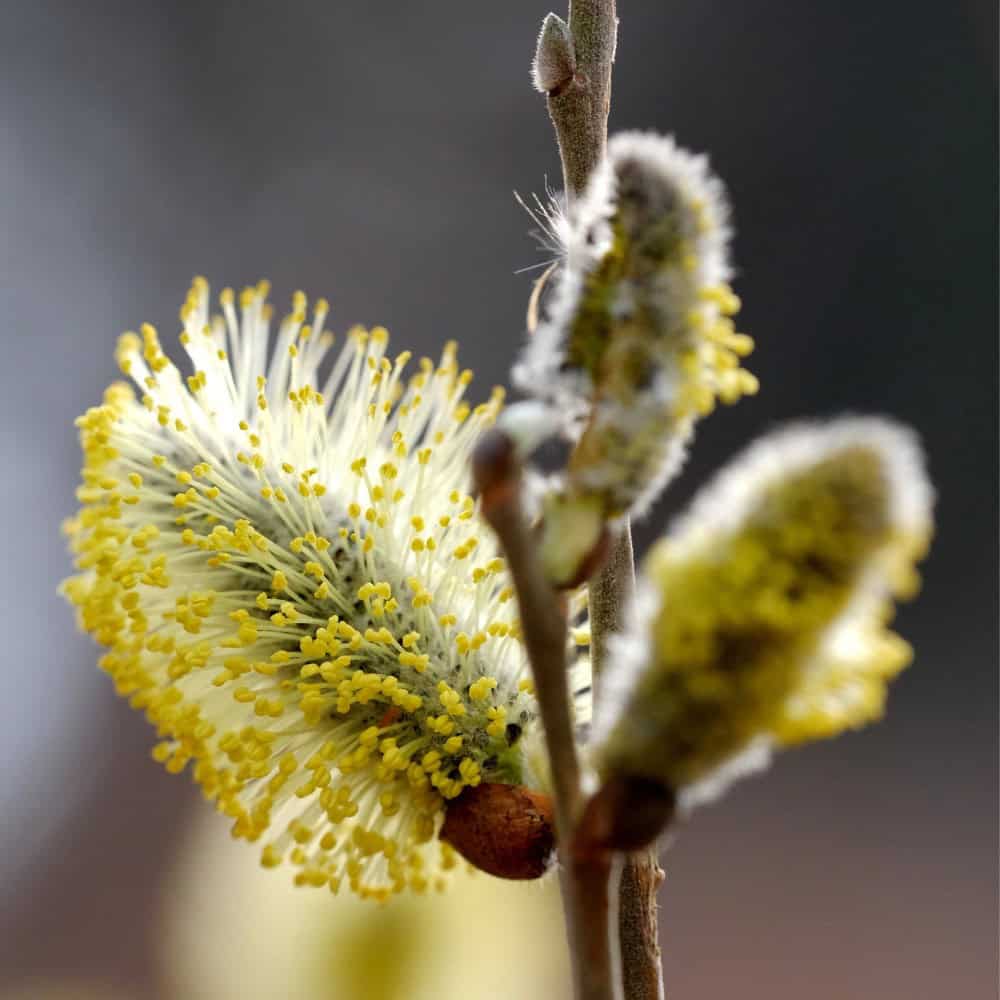
Willow is one of the first dependable food sources of the year, supplying both nectar and pollen just when colonies are waking up, expanding, and preparing for the busy months ahead.
Willows are especially useful in larger landscapes, naturalized areas, wet sites, drainage zones, restoration projects, and habitat plantings. They are not the right fit for every small yard because many willow species need space and moisture, but where they fit, they can be extremely valuable.
Best for: beekeepers, landowners, restoration projects, larger landscapes, habitat corridors
Planting note: Choose a willow species suited to your region, soil moisture, and available space.
2. Clover
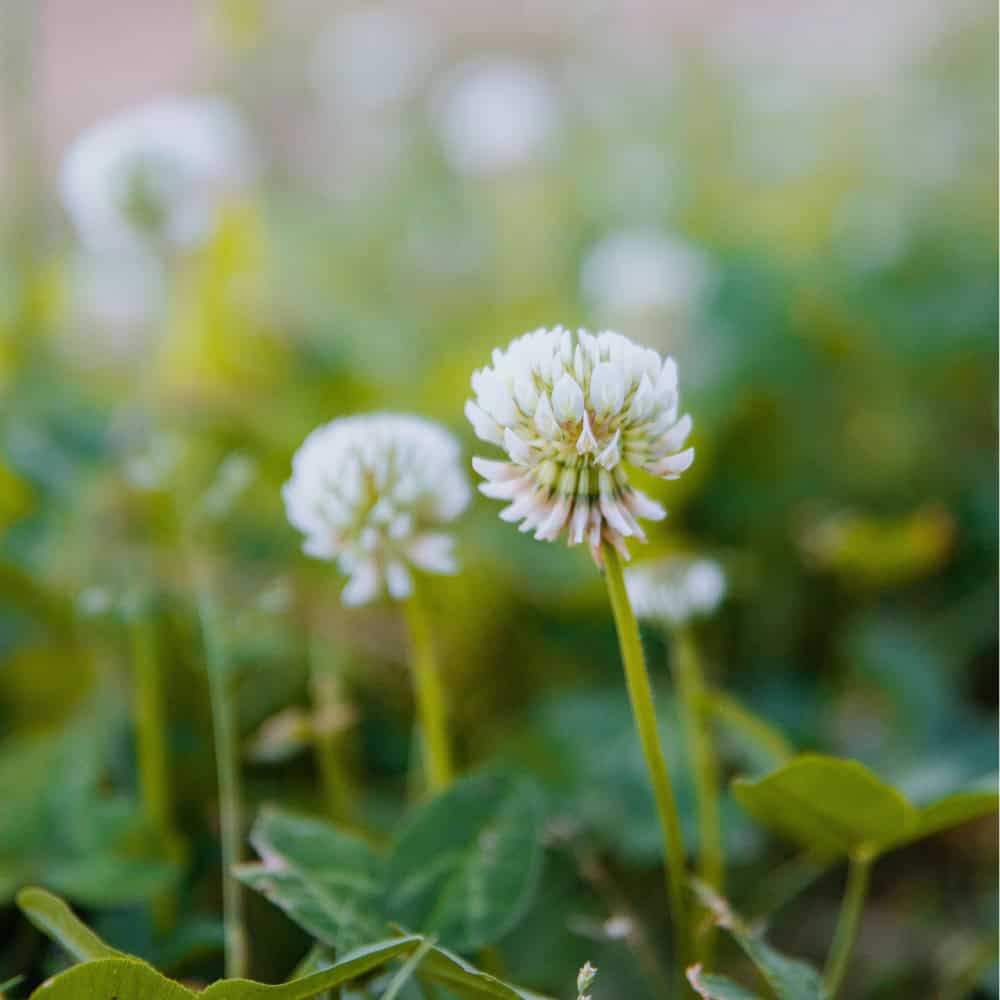
Clover is one of the most practical plants for honey bees because it works in more places than many ornamental flowers. It can fit into lawns, fields, cover crop systems, orchard alleys, pasture edges, and larger-scale plantings. White Dutch Clover is one practical option for lawns, ground cover, erosion control, and bee-friendly plantings.
For beekeepers and wholesale buyers, clover is especially useful because it is scalable. You are not limited to a small flower bed. Clover can support larger forage areas.
A homeowner might add clover to a bee lawn. A beekeeper might think about nearby fields. A landscaper might use it in a lower-input lawn strategy. A wholesale buyer might look at it as part of a broader pollinator program.
Best for: bee lawns, cover crops, orchards, fields, large landscapes
Planting note: Choose the right clover for the site, traffic level, and local growing conditions.
3. Borage
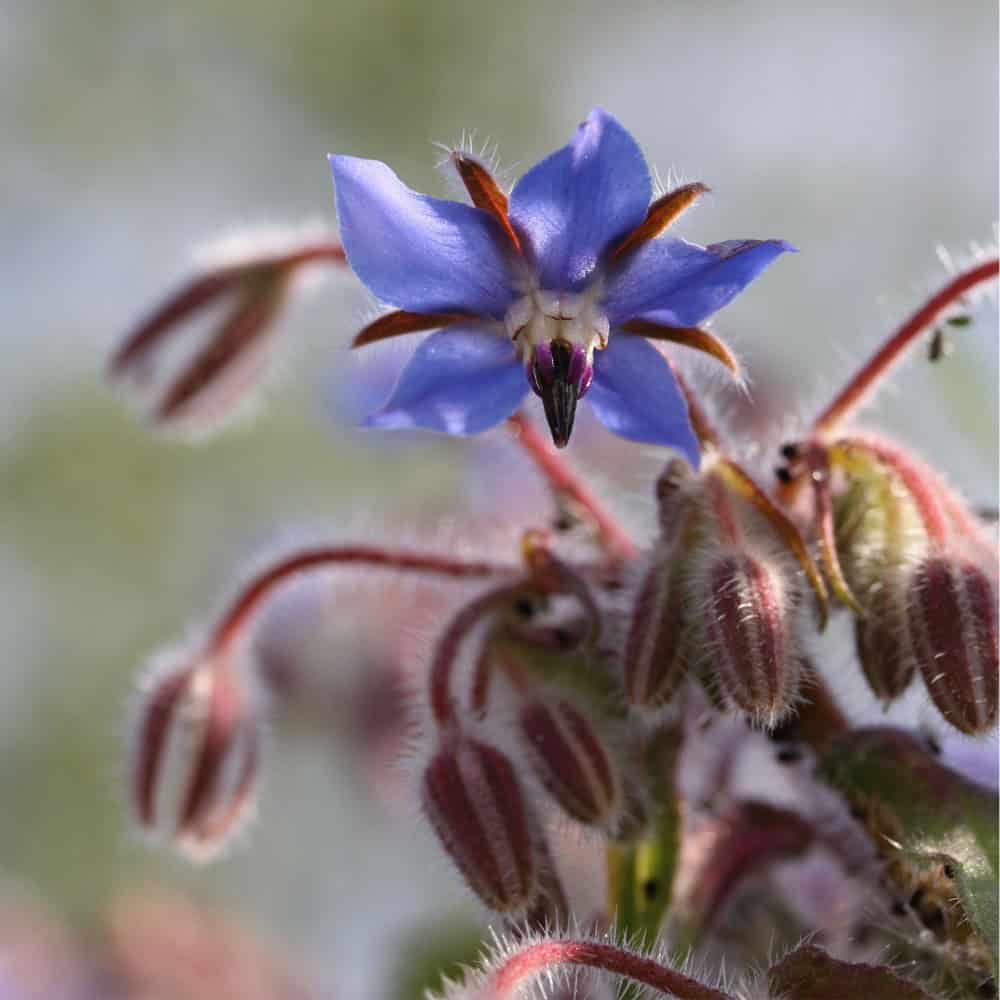
Borage is one of my favorite summer plants for honey bees. Bees work it heavily, and when conditions are right, it keeps producing flowers for a long period.
Borage is especially useful in herb gardens, vegetable gardens, pollinator strips, and mixed annual plantings. It is easy to grow and brings a lot of bee activity into a sunny planting. For more herb garden ideas, BBB Seed’s guide to herbs for the bees is a helpful next read.
Best for: gardeners, beekeepers, herb beds, annual pollinator patches
Planting note: Borage can reseed, so place it where that is acceptable.
4. Bee Balm
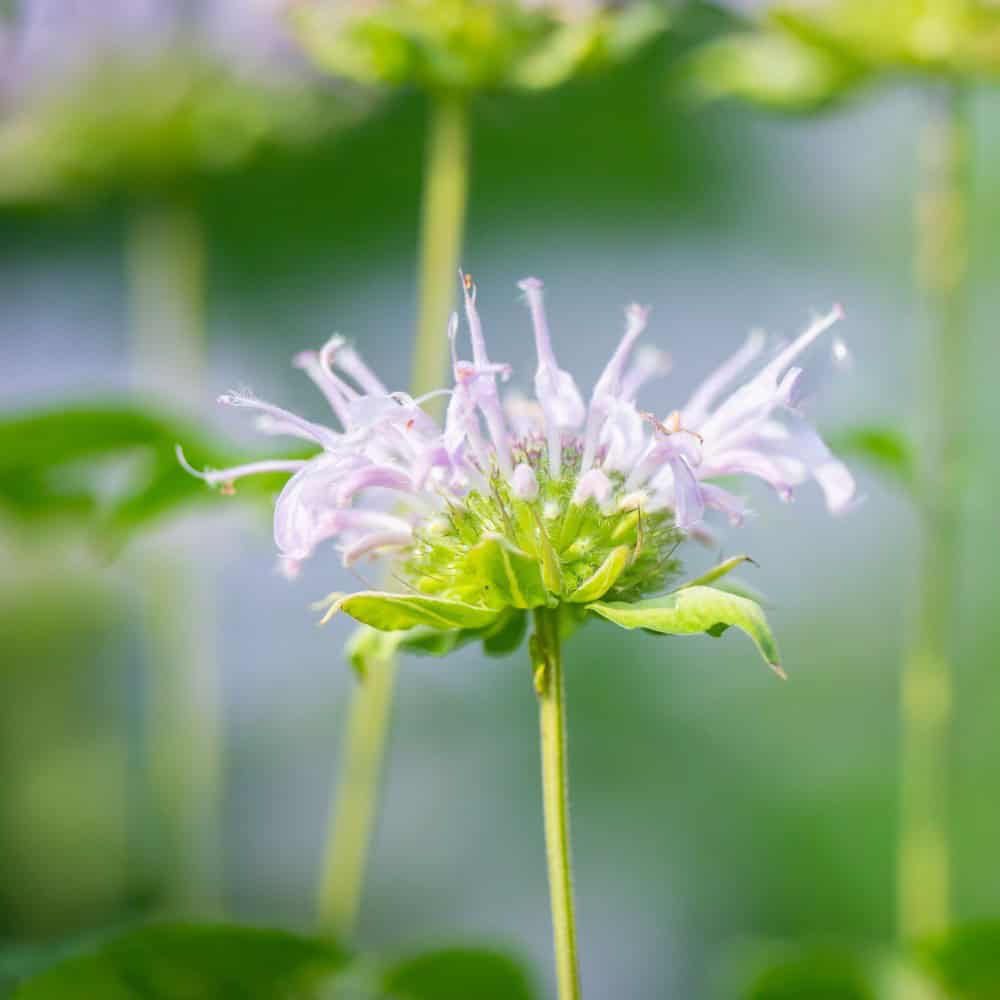
Bee balm, also called Monarda, is an excellent summer-blooming choice for honey bees and other pollinators.
Bee balm works well in perennial beds, native gardens, cottage gardens, meadow edges, and pollinator landscapes. It is especially useful when planted in groups.
I like bee balm because it serves multiple audiences. Gardeners enjoy the color. Landscapers can use it as a showy perennial. Beekeepers benefit from another summer forage source that also attracts native bees, butterflies, and hummingbirds.
Best for: perennial beds, native gardens, pollinator landscapes, retail plant programs
Planting note: Give bee balm good airflow and match the variety to your local climate, especially in humid regions where powdery mildew can be an issue.
5. Anise Hyssop
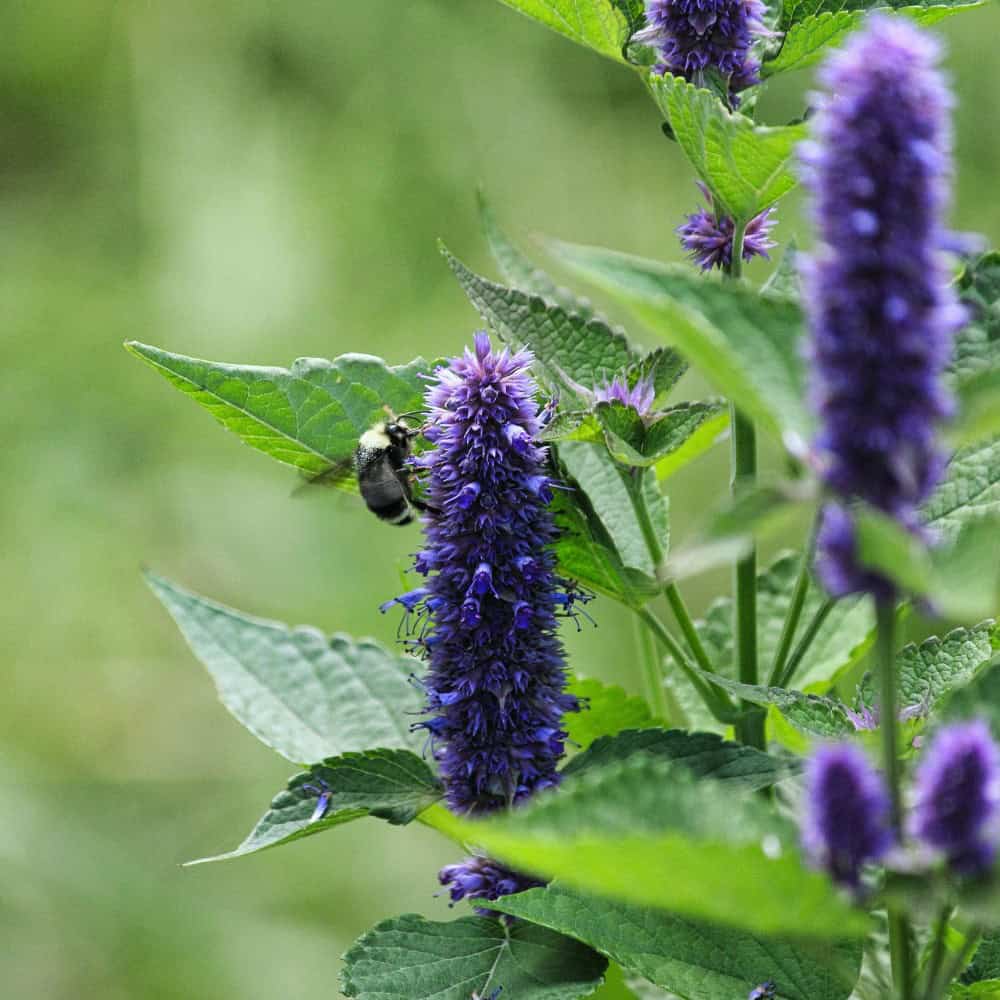
Anise hyssop is one of the best bee plants for honey-focused gardens because it produces abundant nectar-rich flowers and draws steady bee activity in summer. It also has a tidy enough form for designed landscapes, which makes it useful for both residential and commercial plantings.
I have seen anise hyssop perform well along the Colorado Front Range, especially in sunny, lower-water plantings around places like Gunbarrel, Louisville, and Lafayette. In other regions, the exact species or variety may change, but the idea stays the same: use durable plants with abundant flowers that offer nectar and pollen.
Best for: sunny perennial beds, Western gardens, water-wise plantings, mass plantings
Planting note: Plant in groups for a stronger visual impact and easier bee foraging.
6. Lavender
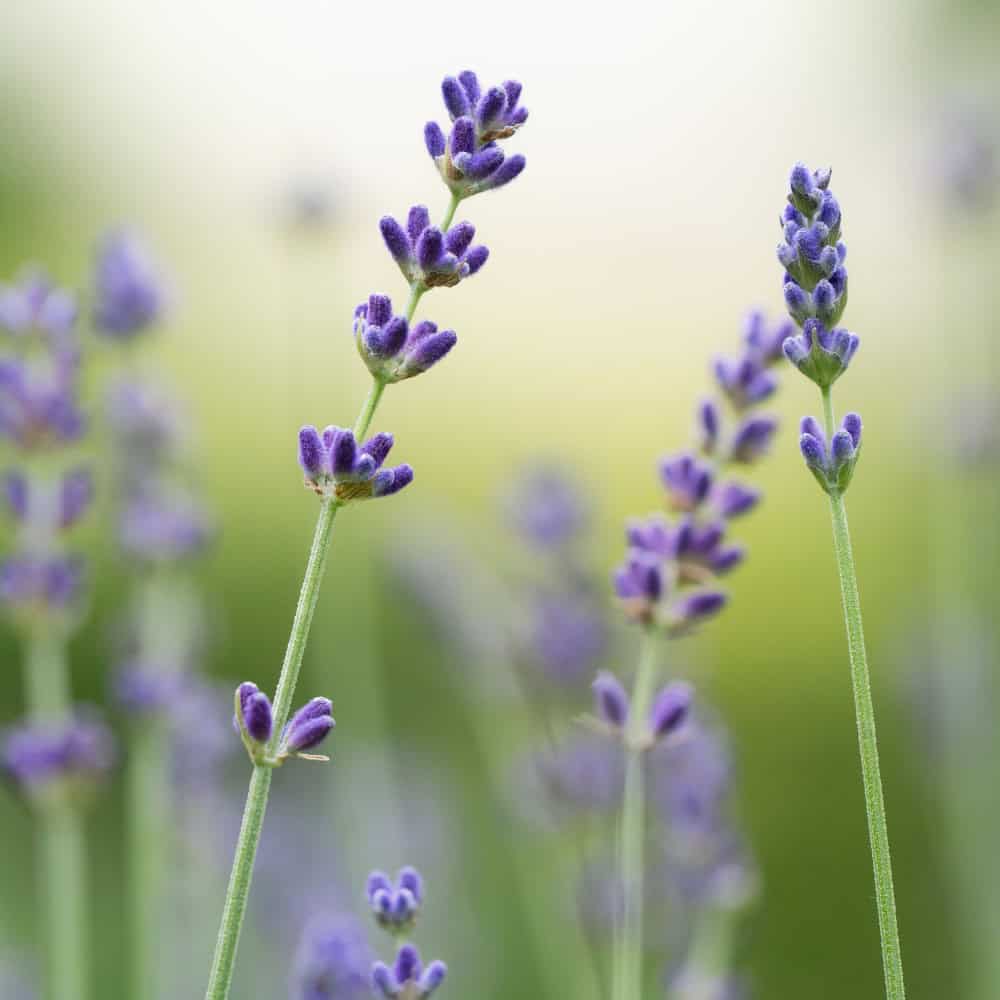
Lavender is another strong option where the climate supports it. It is not the right answer for every site, especially humid areas or poorly drained soils, but when lavender is planted in the right place, bees usually find it quickly.
For landscapers, lavender can add structure, fragrance, and a clean visual line. For beekeepers, it adds another nectar source. For gardeners, it is easy to grow and easy to love.
Lavender is especially useful in dry, sunny regions, Western gardens, Mediterranean-style landscapes, and borders. It can struggle in heavy clay, wet winter soils, and humid climates, so site selection matters.
Best for: dry sunny borders, Western landscapes, low-water gardens, mass plantings
Planting note: Prioritize full sun, good drainage, and varieties suited to your winter hardiness zone.
7. Coneflower
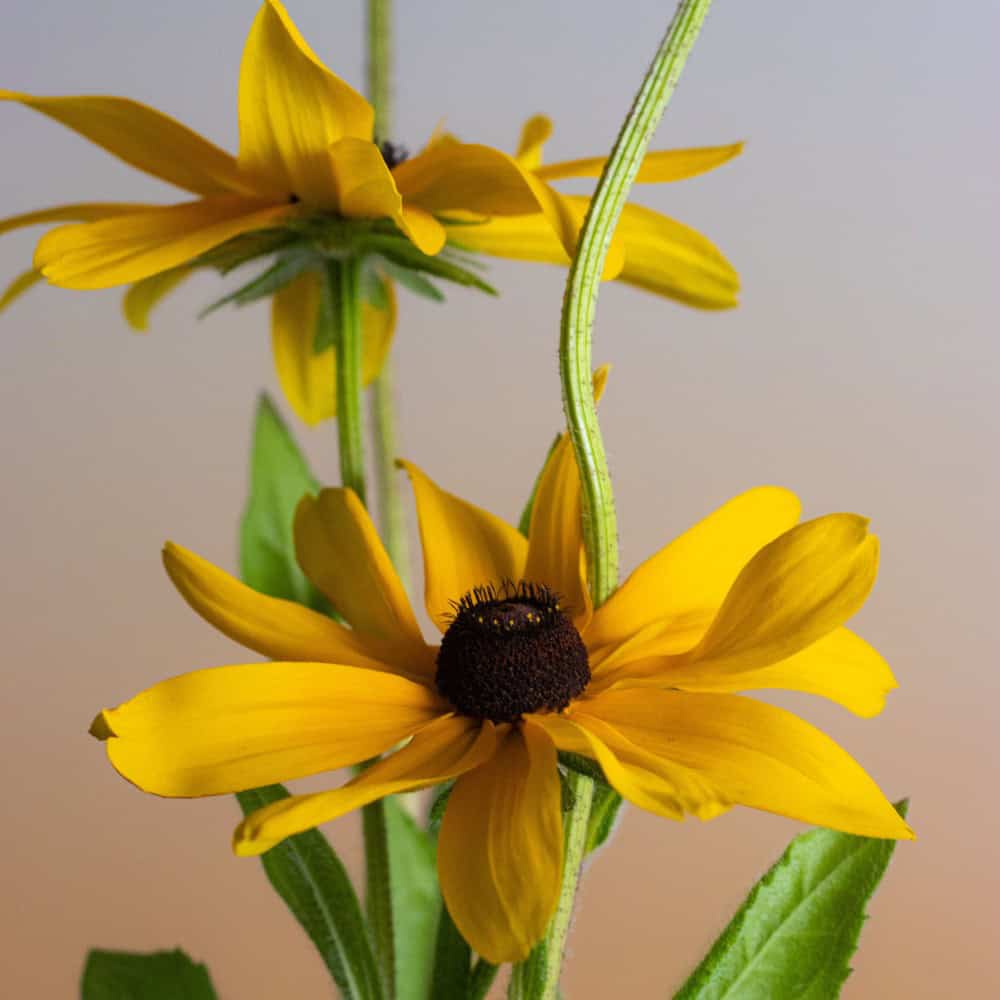
Coneflower is a simple and recognizable honey bee plant. It works well in perennial gardens, prairie-style plantings, public landscapes, and retail plant programs.
The key is to choose flower forms bees can actually use. I prefer single, open flower forms over heavily doubled ornamental varieties because bees need access to the flower’s center.
Coneflowers also pair well with other plants for honey bees, including bee balm, anise hyssop, black-eyed Susan, mountain mint, blazing star, goldenrod, and asters.
Best for: gardeners, landscapers, prairie plantings, perennial beds
Planting note: Choose open-centered varieties and avoid highly doubled forms if bee value is the priority.
8. Sunflower
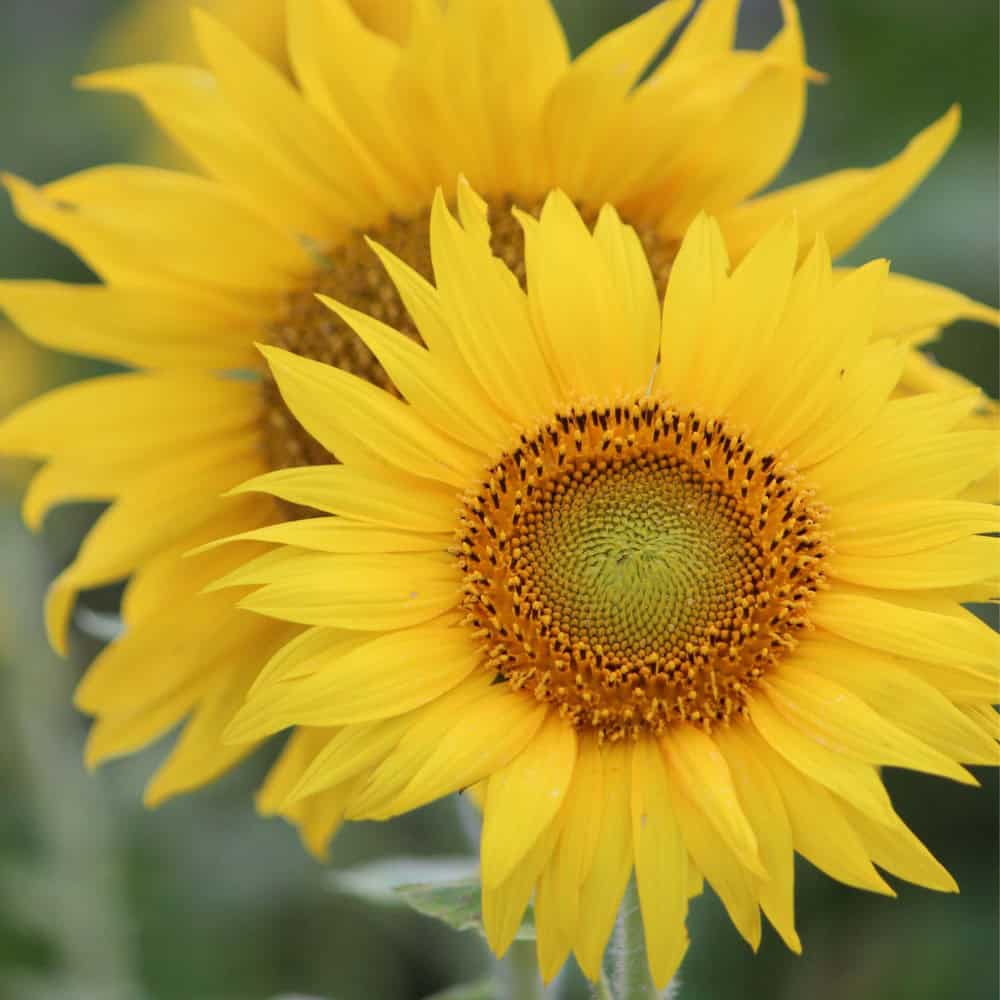
Sunflowers are simple, recognizable, and useful. They can provide pollen and nectar, and they are easily recognizable to customers, crews, and homeowners. They also work in many planting styles, from backyard gardens to field edges.
For honey bees, the best sunflowers are usually open, pollen-bearing types. Some ornamental or pollenless cut-flower varieties are bred for vase life and cleanliness, not bee forage. If your goal is to support honey bees, choose varieties that provide accessible pollen and nectar.
Sunflowers are also useful because they help connect people to the planting. Kids recognize them. Customers recognize them. Gardeners enjoy them. That makes them among the easiest plants for honey bees to plant when education and visibility matter.
Best for: gardens, farms, educational landscapes, field edges, pollinator strips
Planting note: Choose pollen-bearing varieties and plant enough for bees to forage efficiently.
9. Goldenrod
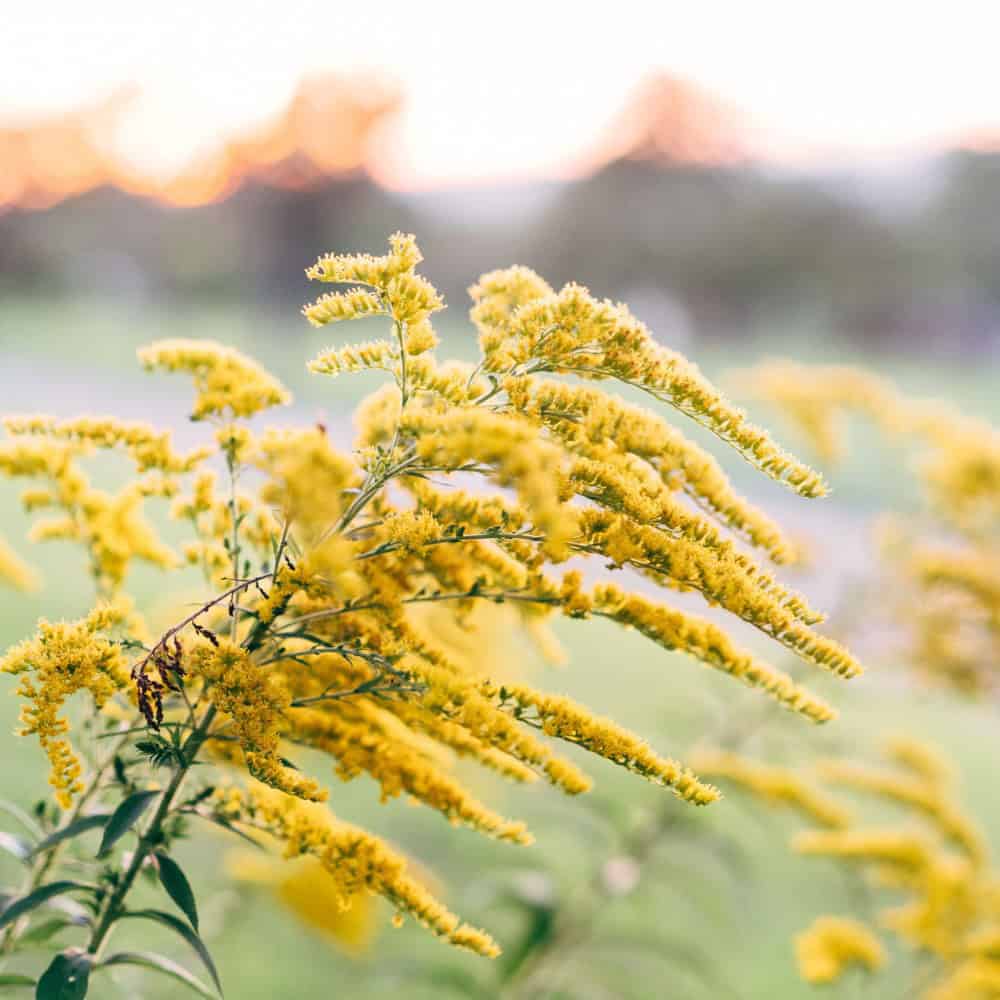
Goldenrod is one of the most important late-season plants for honey bees. Late summer and fall are when many bee gardens fail, and goldenrod helps fill that gap.
If you want the best nectar-producing plants for honey bees, do not ignore the end of the season. Honey bee colonies still need forage as they prepare for winter, and late-blooming plants can make a meaningful difference in the landscape.
In late summer, here in Boulder County, I pay close attention to what is still blooming. Goldenrod is one of the plants I like to see because it extends the forage window when many earlier flowers are finished.
Best for: late-season forage, meadows, native gardens, prairie plantings, naturalized landscapes
Planting note: Choose regionally appropriate goldenrod species, especially for designed landscapes where height and spread matter.
10. Aster
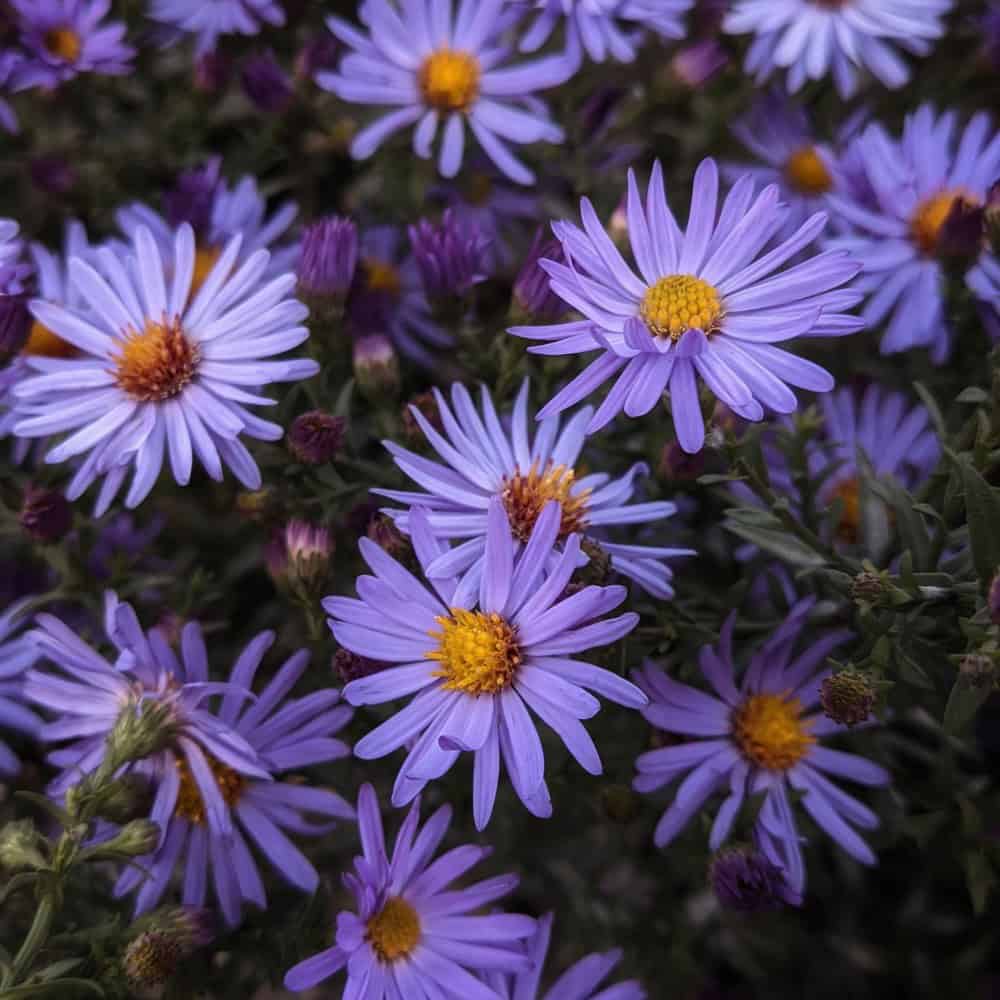
Asters are excellent late-season bee plants because they bloom when many gardens are running out of flowers. They pair naturally with goldenrod, and together they can keep a pollinator planting active into fall.
Asters are especially valuable in Midwest and Western plantings where late-season bloom matters. They work in native gardens, prairie-style landscapes, meadow edges, perennial borders, and restoration projects.
Best for: fall forage, prairie plantings, native gardens, perennial borders
Planting note: Choose native or regionally adapted asters when possible.
Bloom Sequence Matters More Than One Big Flush of Flowers
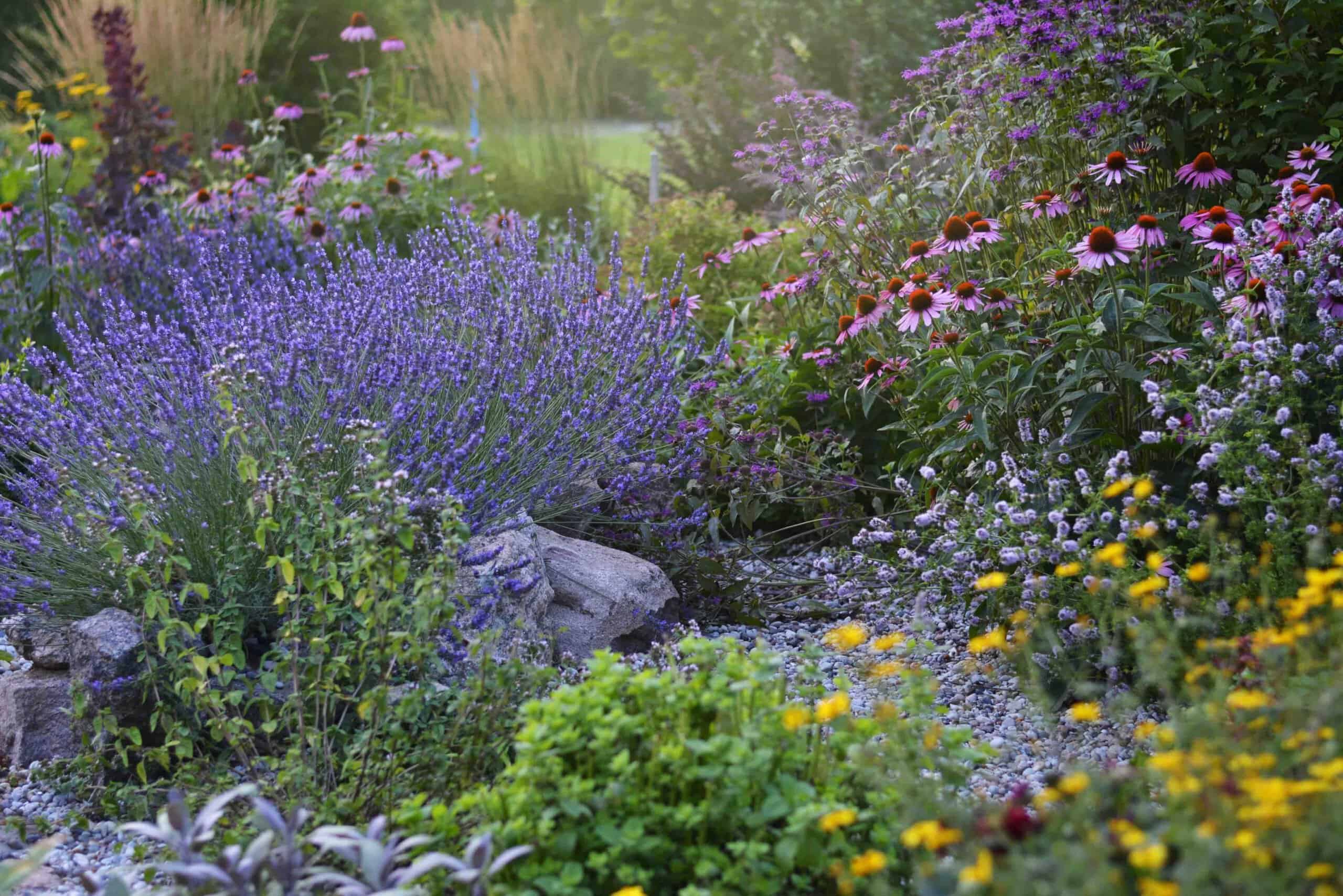
A honey bee garden can look great in June and still fail bees later in the season. I have seen this happen around Boulder, including gardens near Table Mesa and North Boulder that look full early in summer but have very little bloom by July or August.
The stronger approach is to build a bloom sequence:
- Early bloomers for spring buildup.
- Summer workhorses for peak activity.
- Late-season nectar and pollen plants for fall preparation.
Colorado State University Extension recommends choosing plants with bloom times from early spring to late fall so flowers are available throughout the pollinator activity season.
That same principle applies across the U.S. Whether you are planting in Colorado, the Midwest, the Northeast, the South, or the West Coast, the goal is not just to choose attractive flowers. The goal is to keep useful forage available from early spring through fall.
Best Honey Bee Plants by Bloom Season
A strong honey bee planting is not just a top 10 list. It is a sequence. Use the top 10 plants as your foundation, then add regional plants that fill any seasonal gaps.
| Season | Goal | Plant Examples |
|---|---|---|
| Early spring | Help colonies build up after winter | Willow, fruit trees, clover, serviceberry, penstemon |
| Summer | Support peak foraging and nectar flow | Borage, bee balm, anise hyssop, lavender, coneflower, sunflower, mountain mint, blazing star |
| Late summer and fall | Extend forage before winter | Goldenrod, aster, sedum, late salvia, native sunflowers, Joe Pye weed where appropriate |
USDA recommends planting a continuous food supply with different species blooming across spring, summer, and fall.
Late summer and fall are when many plantings fall short. Goldenrod and aster are my top recommendations here, but sedum, late salvia, mountain mint, and regionally appropriate native perennials can also help extend forage. For more ideas, see BBB Seed’s guide to fall-blooming plants for pollinators.
Regional Planting Notes for the Midwest and Western U.S.
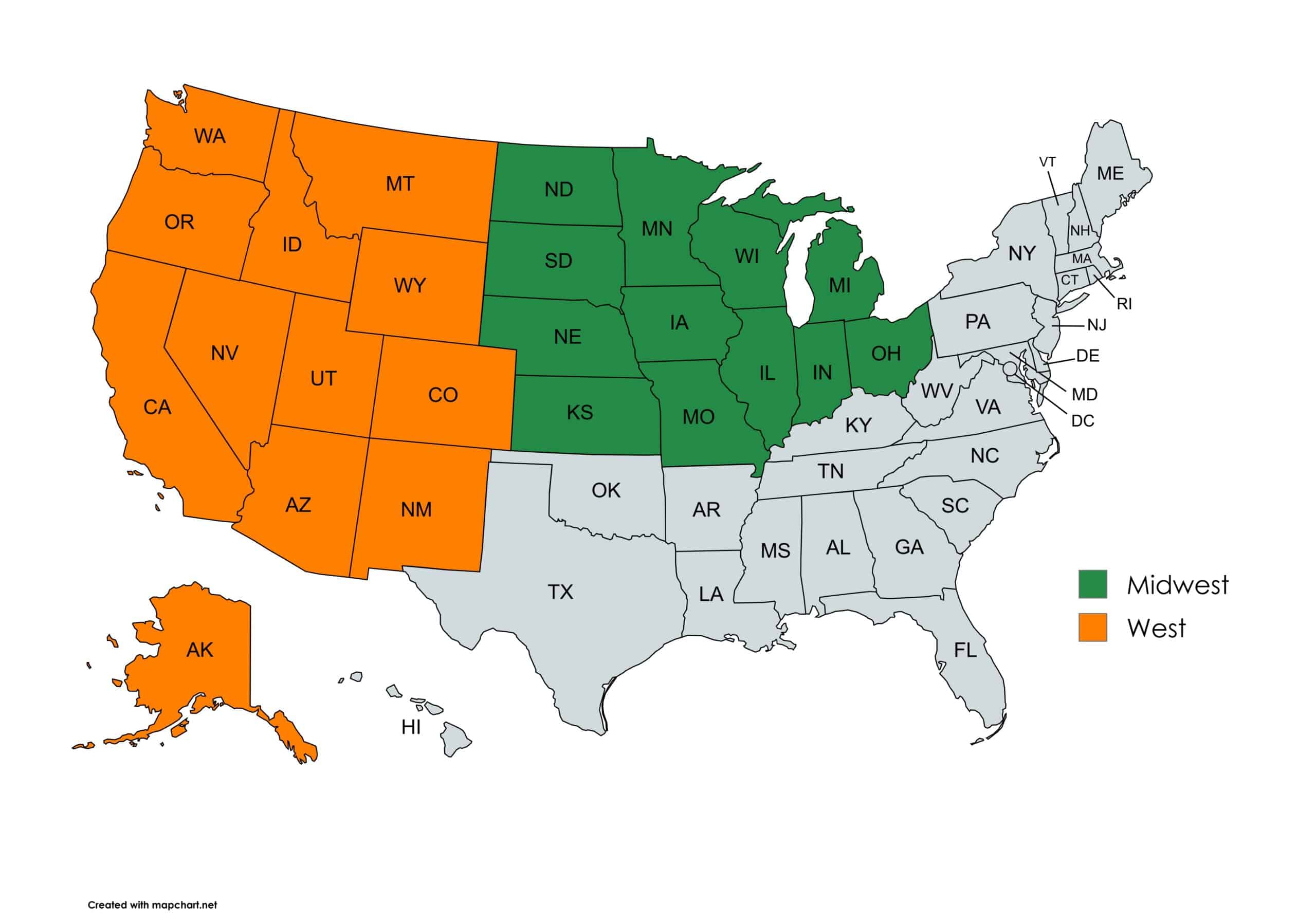
The best plants for honey bees vary by region, but the strategy stays the same: choose nectar and pollen plants that bloom across the full season and fit the site. For larger projects, regional wildflower mixes can help match seed choices to the area where they will actually be planted.
| Region | Strong Choices | Notes |
|---|---|---|
| Midwest | Clover, coneflower, sunflower, goldenrod, aster, blazing star, mountain mint, prairie clover, milkweed, bee balm | Prairie-style and meadow-style plantings can provide long bloom windows and strong pollinator value. |
| Western U.S. | Anise hyssop, lavender where drainage is good, penstemon, salvia, goldenrod, aster, sunflower, rabbitbrush, native milkweed, blanket flower | Water use, drainage, sun exposure, and climate adaptation matter. |
| Nationwide | Willow, clover, borage, bee balm, coneflower, sunflower, goldenrod, aster, fruit trees, regionally adapted native plants | Choose plants that grow well enough in your region to bloom reliably. |
In my experience along the Colorado Front Range, the best results come from matching the plant to the actual site. A sunny, lower-water planting near Lafayette or Louisville needs different choices than a shaded, irrigated garden bed in another region.
Before ordering or planting, check:
- USDA hardiness zone
- Sun exposure
- Soil drainage
- Water availability
- Humidity
- Heat tolerance
- Mature size
- Bloom season
- Whether the plant is invasive in your region
- Whether it was grown with pollinator-safe practices
Lacy phacelia is another useful bee plant to consider, where it fits the site. BBB Seed carries Lacy Phacelia, and its article About Lacy Phacelia offers more detail on this pollinator-friendly plant.
Tips for Landscapers, Beekeepers, Gardeners, and Wholesale Buyers
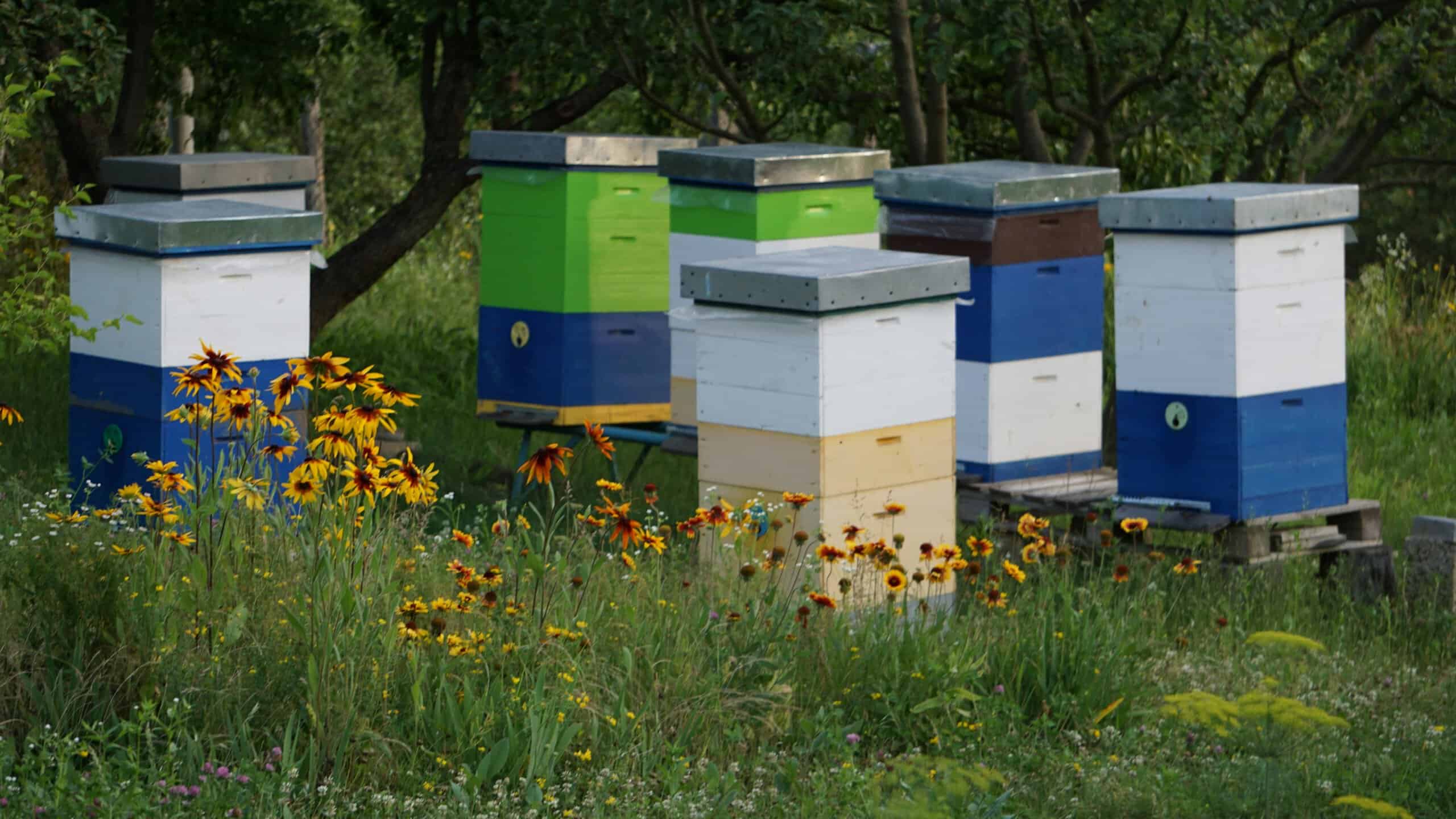
Different buyers may use the same honey bee plants in different ways. A gardener may want a small pollinator bed. A beekeeper may be thinking about forage near hives. A landscaper may need a reliable plant palette. A wholesale buyer may need seed or plant material that works across larger projects.
Plant in Groups So Bees Can Forage Efficiently
Do not scatter one of everything across a property and expect the same impact as a strong mass planting. Bees forage more efficiently when they can move through a cluster of the same plant. The U.S. Forest Service also recommends planting in clumps rather than isolated single plants.
For landscapers, this also looks better. For beekeepers, it can improve forage efficiency. For wholesale buyers, it helps you think in trays, flats, and project quantities instead of one-off plant choices.
Choose Single, Open Flowers Over Heavily Doubled Blooms
One of the biggest mistakes I see in pollinator planting is choosing only for color instead of food value.
Single, open flowers usually give bees better access to pollen and nectar. Heavily doubled blooms may look dramatic, but they are often less useful to bees. This matters when selecting coneflowers, sunflowers, roses, zinnias, dahlias, and other ornamentals.
The prettiest catalog photo is not always the best bee plant.
Think Beyond the Backyard
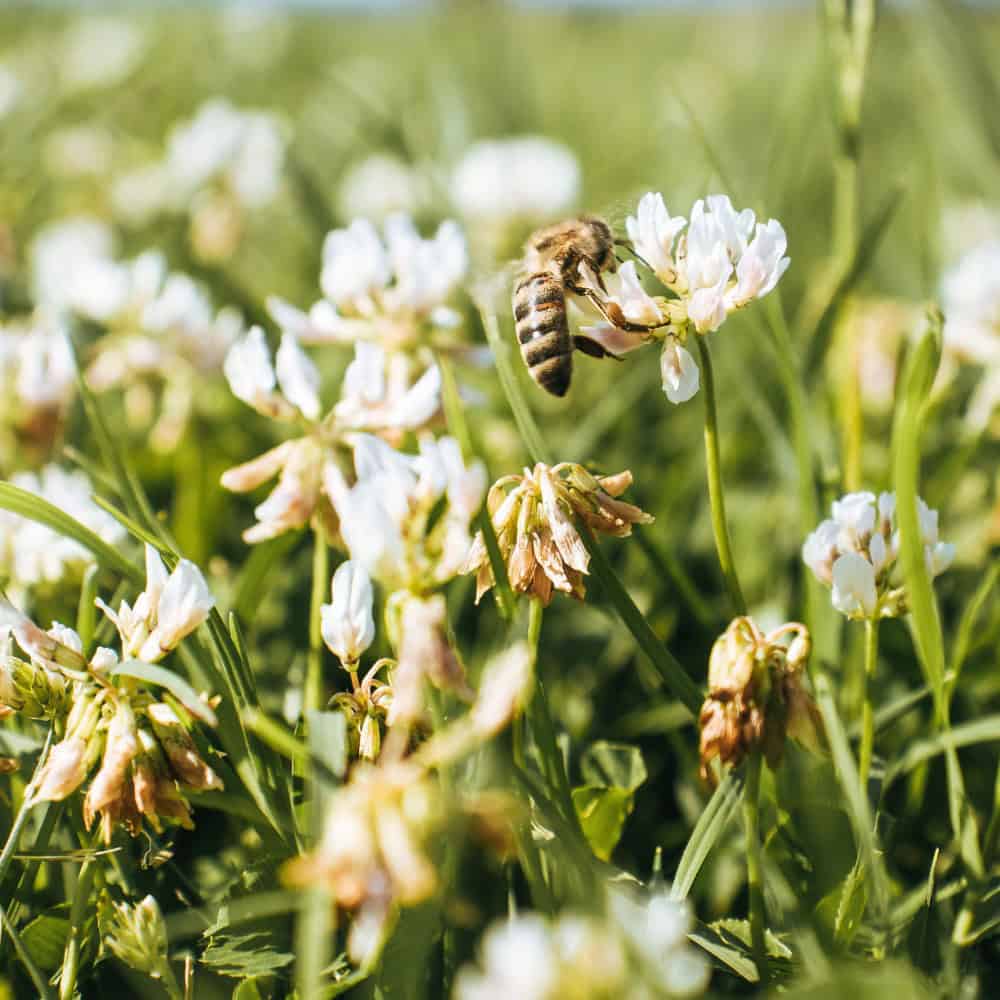
For gardeners, a pollinator bed is a great start. For beekeepers, landscapers, and larger buyers, the bigger opportunity may be across the whole property or community.
Think about:
- Bee lawns
- Clover areas
- Orchard edges
- Field borders
- Roadsides
- Drainage areas
- Meadows
- Farm lanes
- Public landscapes
- Commercial properties
Honey bee forage does not have to come from one perfect garden. It can come from many practical plantings across a property or community.
Landscapers, beekeepers, and large-scale buyers can explore BBB Seed’s pollinator mixes or apply for a wholesale account for wildflower seeds, native grasses, regional mixes, and pollinator mixes.
Ask About Systemic Insecticides Before Buying Bee-Friendly Plants
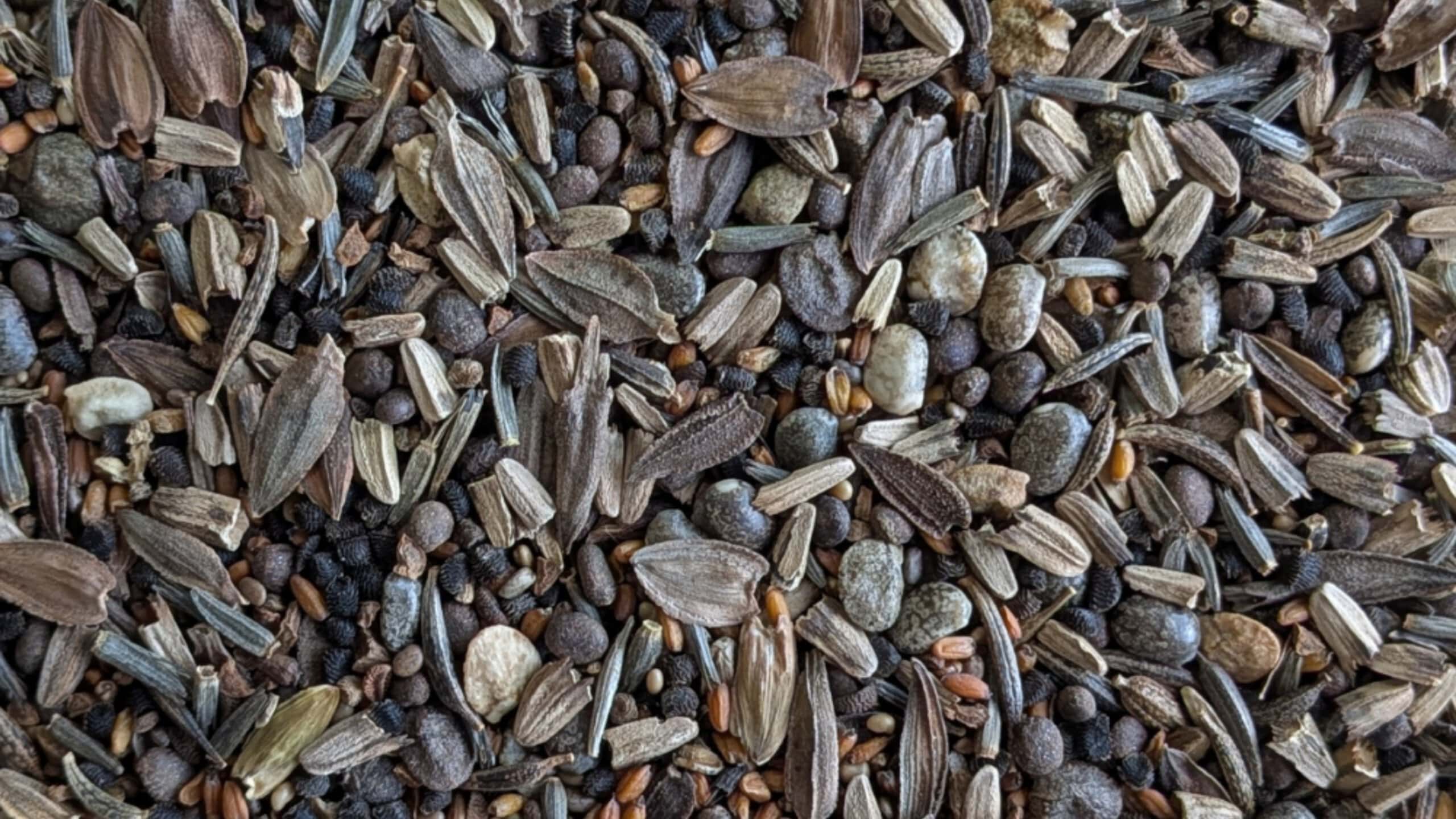
A plant marketed as “bee-friendly” is not truly bee-friendly if the pollen or nectar may carry harmful residues. This is especially important for landscapers and wholesale buyers because they are often planting on a larger scale.
Xerces offers guidance on choosing bee-safe nursery plants, including why buyers should ask about neonicotinoids and similar systemic insecticides.
Questions to ask before buying:
- Were these plants grown with neonicotinoids or other systemic insecticides?
- What pest management practices were used?
- Are pollinator-safe production practices available?
- Are organic plants or seeds available?
- Can you provide untreated or pollinator-conscious options for wholesale orders?
Safe sourcing should be part of the planting plan, not an afterthought.
Native and Regional Alternatives Worth Considering
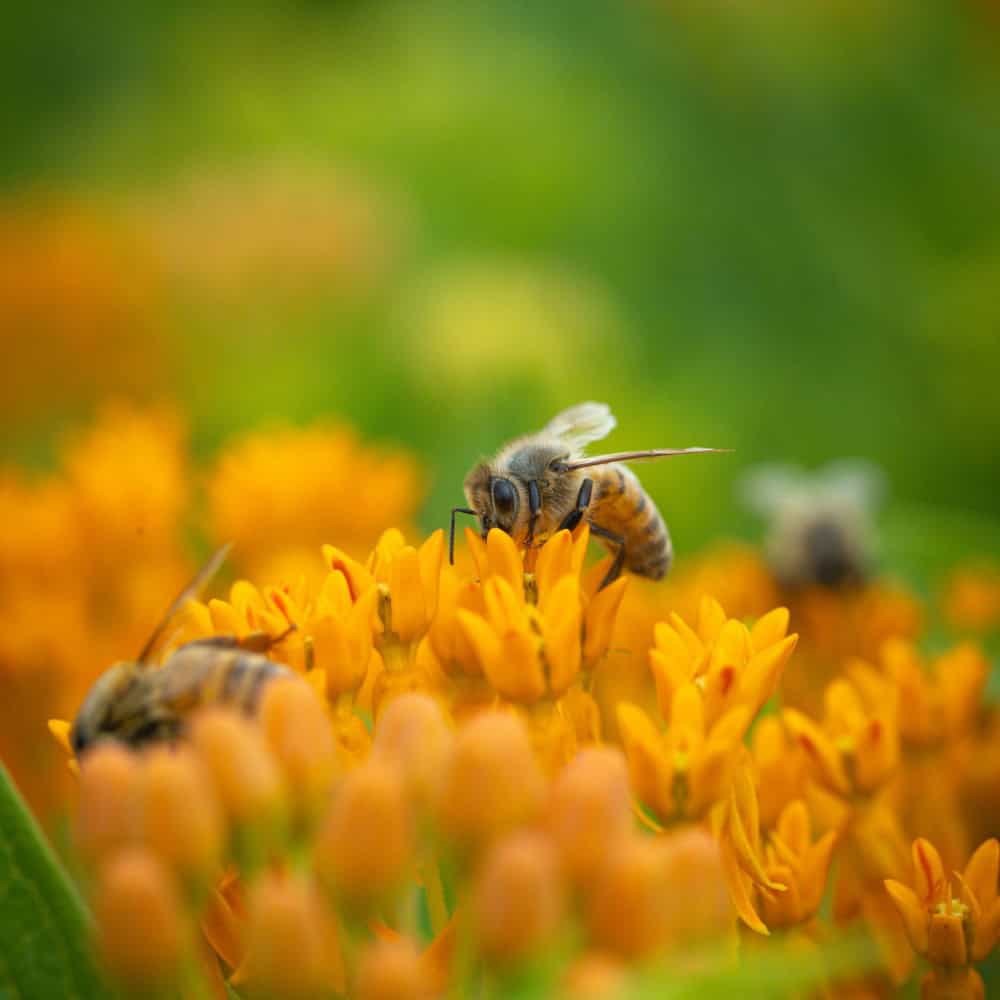
The top 10 plants for honey bees are a strong starting point, but you should adjust the list with native and regionally adapted plants wherever possible. Xerces provides regional native plant lists to help gardeners and landscapers choose pollinator-friendly plants.
Depending on your region, consider adding or substituting:
- Milkweed
- Mountain mint
- Penstemon
- Blazing star
- Salvia
- Prairie clover
- Serviceberry
- Fruit trees
- Sedum
- Yarrow
- Blanket flower
- Native sunflowers
- Rabbitbrush in parts of the West
- Joe Pye weed, where suitable
- Lacy phacelia, where appropriate
Native plants are often a strong choice because they are adapted to local conditions and support broader pollinator ecosystems. For honey bees specifically, I like to use native plants and proven bee forage plants together. Honey bees are generalist foragers, so the best planting is usually diverse, practical, and regionally appropriate.
For a deeper related read, BBB Seed also has a guide to the best plants for honey bees.
FAQs About Plants for Honey Bees
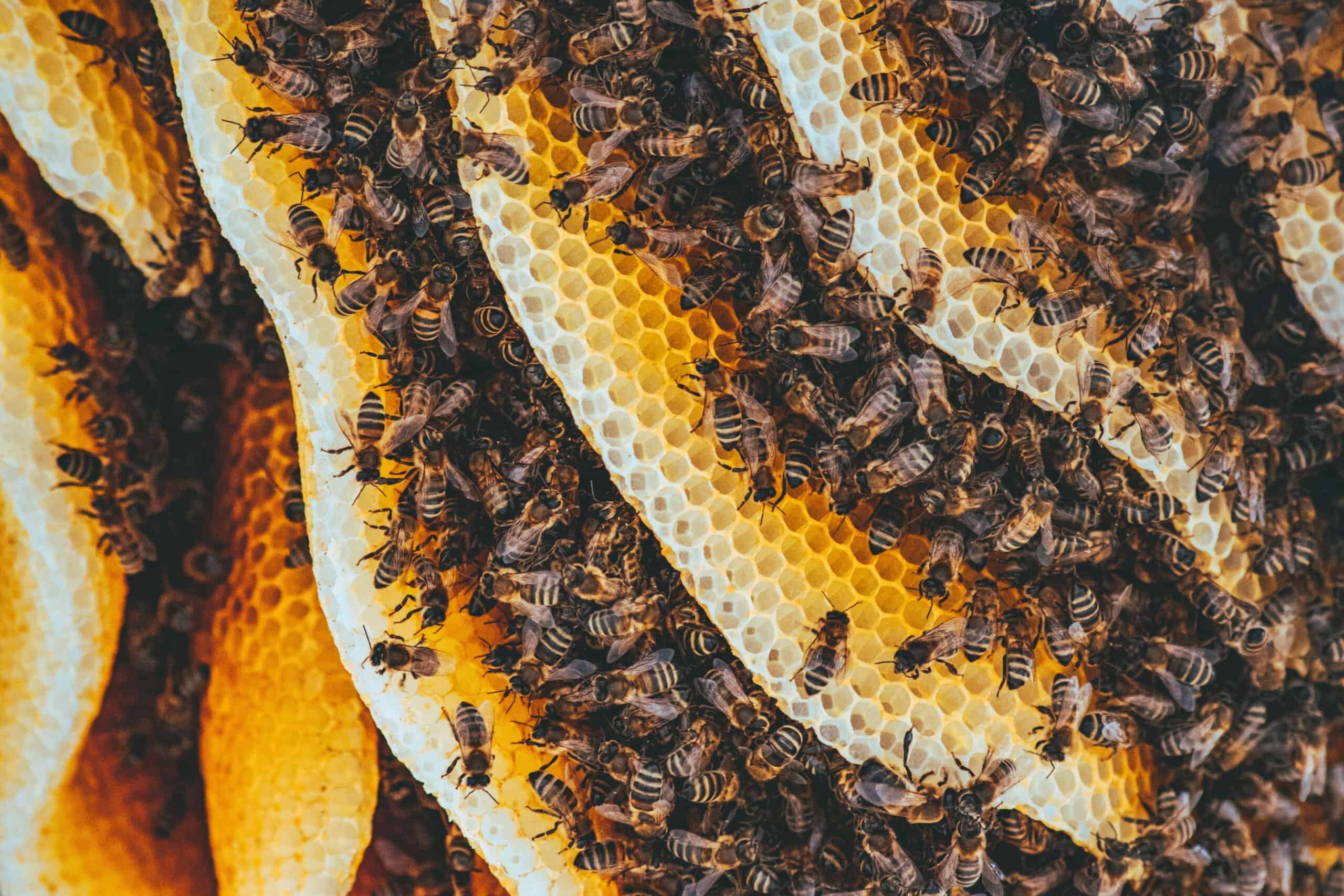
What is the best plant for honey bees?
There is no single best plant for every region, but clover is one of the most practical choices because it can work in lawns, fields, cover crops, and larger landscapes. For early spring, willow is excellent where it fits the site. For summer, borage, bee balm, anise hyssop, lavender, coneflower, and sunflower are strong choices. For fall, goldenrod and aster are hard to beat.
What plants produce the most nectar for honey bees?
Some of the best nectar-producing plants for honey bees include clover, borage, lavender, anise hyssop, goldenrod, aster, bee balm, and certain flowering trees. Nectar production varies by species, variety, region, weather, soil, and plant health, so it is better to plant a sequence of nectar plants than rely on one option.
Is clover good for honey bees?
Yes. Clover is one of the best plants for honey bees because it provides nectar and pollen and can be used in lawns, fields, and larger landscapes. White clover is especially practical because it fits low-growing bee lawns and is widely recognized as a honey bee forage plant.
Is lavender good for honey bees?
Yes, lavender can be very good for honey bees when planted in the right climate and soil. It performs best in full sun with excellent drainage. It is an excellent choice for dry, sunny landscapes, especially in parts of the West, but it may struggle in humid or poorly drained locations.
Are sunflowers good for honey bees?
Yes, sunflowers can be good for honey bees, especially open, pollen-bearing varieties. Avoid pollenless cut-flower varieties if your main goal is bee forage. For pollinator value, choose sunflowers with accessible centers and plant enough for bees to forage efficiently.
What fall-blooming plants should I plant for honey bees?
For fall, plant goldenrod, asters, sedum, late-blooming salvia, native sunflowers, long-blooming annuals, and regionally appropriate late-season perennials. Goldenrod and asters are two of my favorite late-season recommendations because they help extend forage when colonies are preparing for winter.
What flowers should I avoid in a honey bee garden?
Avoid relying heavily on flowers that are bred only for appearance, especially heavily doubled flowers where bees cannot easily access nectar or pollen. Also, avoid plants treated with systemic insecticides or plants that are invasive in your region.
Should I choose native plants for honey bees?
Yes, native plants are often a smart choice, especially when they are matched to your region and site conditions. However, the best honey bee planting can include a mix of native plants, herbs, annuals, perennials, shrubs, and trees. The goal is full-season nectar and pollen from plants that grow well where you are planting.
Final Takeaway: Build a Bee Planting That Feeds Colonies All Season
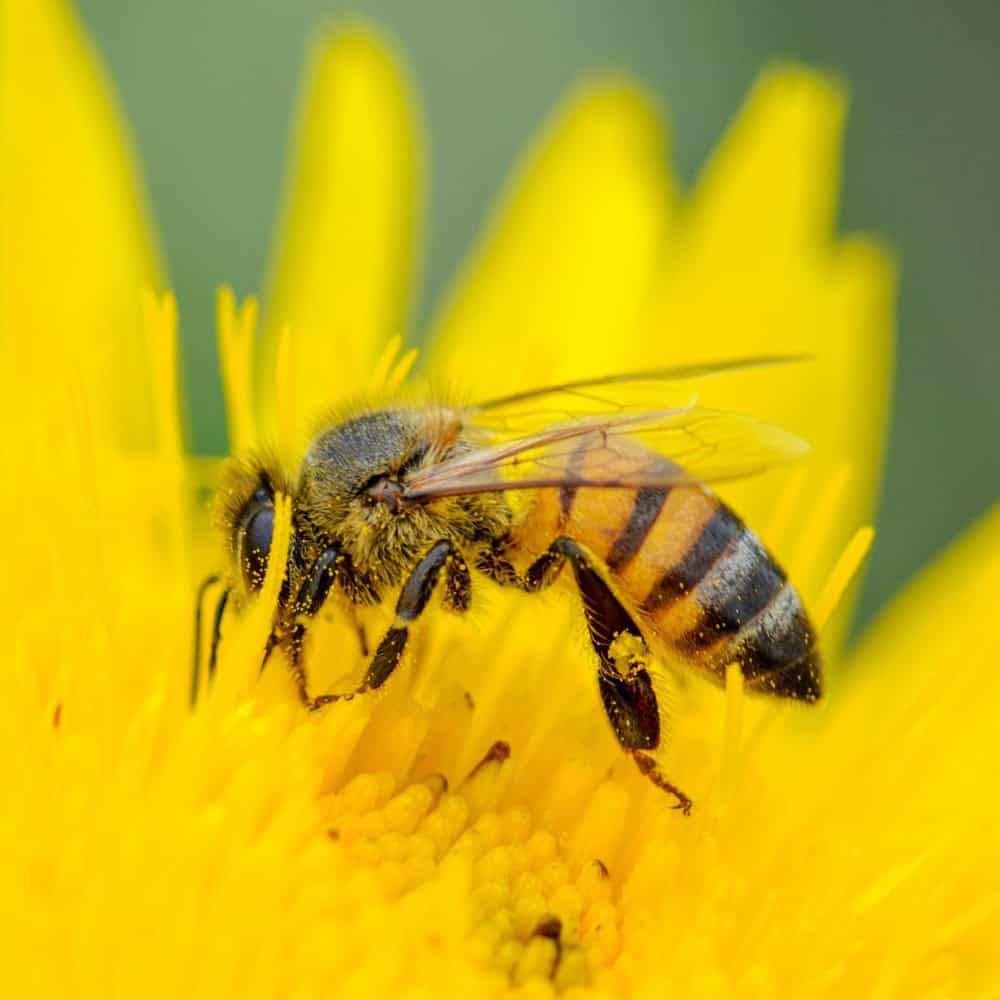
If I had to give a clear nationwide answer, my top 10 plants for honey bees are willow, clover, borage, bee balm, anise hyssop, lavender, coneflower, sunflower, goldenrod, and aster.
But the real strategy is bigger than the list. Choose early bloomers, summer workhorses, and late-season nectar plants. Plant in groups. Favor open flowers over heavily doubled blooms. Match the plant to your region. Ask about pesticide practices before buying. And remember that the best plants for honey bees are the ones that provide nectar and pollen when honey bees need them most.