The Importance of Soil

by Engrid Winslow

Let’s talk about getting your vegetable and flower beds ready for planting by preparing the soil. No matter how great your soil seems to be, your new plants will welcome a boost of vital nutrients. Tomatoes, onions, peppers and other vegetables are known as “heavy feeders”. This means they need (and therefore remove) lots of minerals from the soil they grow in. Without fertile soil, many plants will struggle to produce those tasty fruits and vegetables, and beautiful blooms.

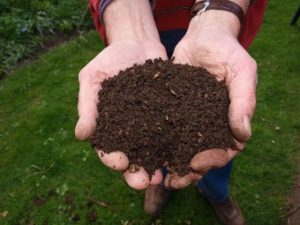
5 Tips to Improve Your SoilHands full of rich soil.

1. Add compost: Make your own or purchase a quality one such as mushroom compost. You may also like chicken manure based, beer industry bi-products or even dairy cow manure. Avoid compost made from curbside recycling (who knows what is really in there) or anything with steer manure, usually very high in salt. Spend a little extra on better quality and your garden will thank you with beautiful vegetables and flowers.

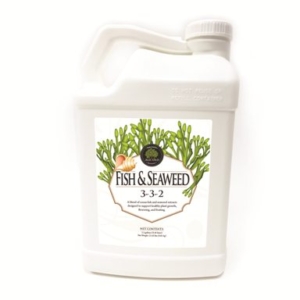
2. Use fertilizers: A mild, organic fertilizer is best and can range from fish emulsion to compost tea or kelp. Seek out a liquid fertilizer that is a balanced mix of nitrogen, phosphorus and potassium. Look for a label with low numbers for each of these 3 minerals. See below for an example (3-3-2).Age Old Fish and Seaweed Liquid Fertilizer
3. Cover the soil all year: Use mulch (shredded leaves are perfect) and cover crops when you are not growing vegetables. This will help keep weeds at bay and adds nutrients to the soil.

4. Rotate vegetables: Don’t grow the same vegetables in the same place every year, especially those “heavy feeders” (mentioned above). It’s best to give the soil a three-year break between them to avoid diseases and soil depletion. Remember that some crops (peas and beans in particular) actually add nutrients to the soil they are grown in.

5. Encourage worms: Worm castings are expensive but have such great qualities that even a little bit is well worth it. The more you amend your soil over time, the better it becomes and somehow worms find their way to worthy soil.
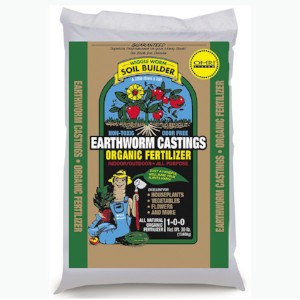
A large bag of UNCO Industries Worm Castings.

GARDEN DESIGN 101

Guide to Landscaping

By Engrid Winslow

There are lots of professional landscape designers out there who can help you put together beautiful flower beds but most of us are on a budget that won’t accommodate such wonderful swaths of elegant beds.  So, for the rest of us, here is, garden design 101, a few basics to consider when planning your spaces for lots of color for as long as possible.

Tall in Back, Short in Front

This is one of the three basic rules in landscape design that you should consider when deciding what to plant where.  This stems from the traditional English Cottage Garden look with Hollyhocks, tall grasses and climbing roses in the back and shorter flowers, (such as poppies) in the middles and even shorter ones (think thyme or even trailing plants like nasturtium),  closer to the front.

Color Combinations

Get out that school color wheel for some great ideas of combinations that are either across or next to each other. Some personal favorites are the unexpected ones, like orange and purple next to each other. If you prefer pastels, then pinks and pale blues and yellows are the way to go. Don’t neglect white because you don’t think that it is a real color. It highlights and adds accent next to some colors (such as red)  and adds softness to blues and pinks.

Bloom Time

If you want color in your flower beds all year long you have to think about when they bloom.  Some of the earliest flowers can be provided by Hellebores, Snowdrops, Crocus, Iris and early Daffodils (there are a huge range of choices in bulbs from Daffodils that will begin in early March and continue into late April and the same goes for some of the more “wild” or “species tulips”)  and the later ones being Sunflowers, asters and repeating roses.  There are options for all season bloomers such as pincushion flowers and the Frikartii Asters.  In the heat of July you can depend on Hummingbird Mint, Coneflowers, and Rudbeckia to provide cheerful blooms. Don’t forget to include grasses which can also range in the times when their inflorescences are at their peak depending on whether they are cool or warm season “bloomers”.  Grasses also create interest in the garden during the winter and provide food for small birds.

A Couple of Other Suggestions

  1. Consider planting in groups of odd numbers rather than just one plant which creates swaths and clumps of color.
  2. Repeat some of these groups several times in several places throughout the garden to give a sense of continuity.
  3. Use a larger perennial, some half-buried rocks or a shrub to anchor the scene.
  4. Add some annual flowers such as sunflowers, zinnias and annual poppies which bloom for a long time in bright, vibrant colors.

Square Foot Gardening

Gardening in a Limited Space

by Greta Dupuis

Do you have limited space to grow your vegetables in?  Small yard, only one raised bed, or even just containers on a porch or deck?  Way back when (1981, in fact), PBS ran a series of shows with Mel Bartholomew which showcased how he divided a 12-foot x 12-foot plot of raised or in-ground vegetable gardens into squares. There were many different possibilities for square foot gardening in the size of these areas by making some of the squares either larger or smaller but the basic idea was to figure out how much room was needed for each type of plant and to adjust the squares accordingly.  For example, you might want more tomatoes and less lettuce or vice versa and would change the sizes of the squares to your personal preference. Some plants can be planted closer together which results in a more dense area of vegetables that maximizes space. The net result from gardening in this manner showed that the veggies were less expensive, used less water, took up less space, used fewer seeds and required less work on the gardener’s part as the squares were easier to reach and did not need as much weeding.  All in all, for gardeners with limited space, consider dividing your veggie beds into sections with your family’s favorites as you dream of all of those seed choices and plan your 2018 garden. The original book that started the revolution is still in print and there are several others with additional tips and tricks including one just for gardening in containers.