Fall Blooming Plants for Pollinators

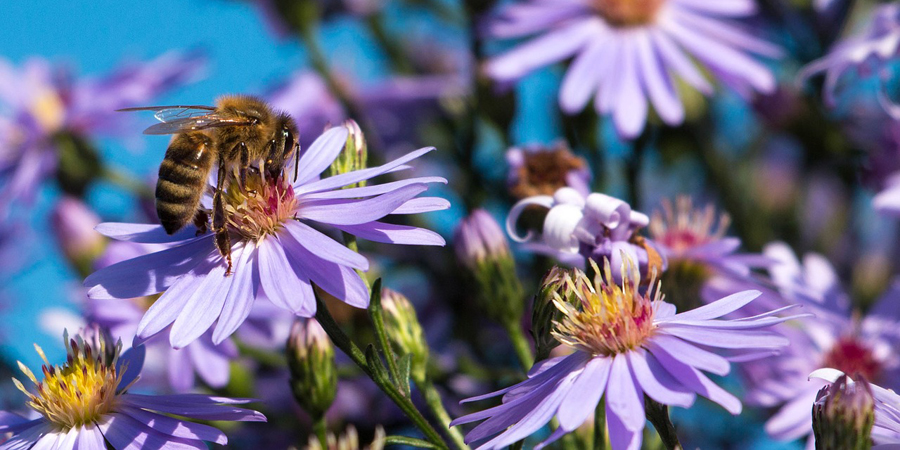
Photo of a honey bee on a purple aster bloom.

photo courtesy of pixabay – 1735564

Wildflower Seeds

by Heather Stone

As the days become shorter and the nights cooler and the season shifts from summer to fall many of us can find our gardens to be a little lackluster. Not much is blooming after the abundance of color throughout the spring and summer.

This is where fall blooming plants come in. There are many native and non-native plants that bloom in late summer and fall that can keep your garden filled with color.

But, autumn-blooming plants don’t just benefit the gardener. As the bountiful blossoms of spring and summer decrease, it is important to provide pollinators with plenty of food sources as they begin to prepare for winter. Hummingbirds and butterflies will need plenty to eat before heading south and the honeybees and native bees need to gather as much pollen and nectar as possible to create winter food stores.

Here is a list of fall blooming plants that make great additions to the garden.

Fall Blooming Perennials:

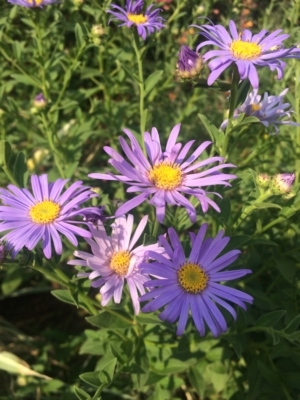
  1. Asters-there are various species of asters native to different parts of North America. Most plants have flowers in shades of white, blue, purple and pink. They are drought tolerant, grow to around 2-3’ and do best in full sun to part shade. Attractive to various species of bees, including bumblebees and leafcutter bees. Some species help fuel monarch butterfly migration.Photo of purple aster blooms.
  2. Black-Eyed Susan-the brilliant yellow flowers of Black-eyed Susan are long blooming and loved by both bees and birds.
  3. Blanket Flower– this tough plant needs little water, blooms a long time and it’s orange, red and yellow flowers are beautiful. Of course, the pollinators love it too!

Want to know more about the pollinators that visit blanket flower? Check out this link: https://bit.ly/2BvEmj4

  1. Liatris-the tall pinkish-purple flower spikes bloom late summer and attract a plethora of bees and butterflies.
  2. Goldenrod– when the goldenrod starts to bloom I know fall is just around the corner. There are a variety of native goldenrods all being easy to grow, drought tolerant and excellent bee plants.
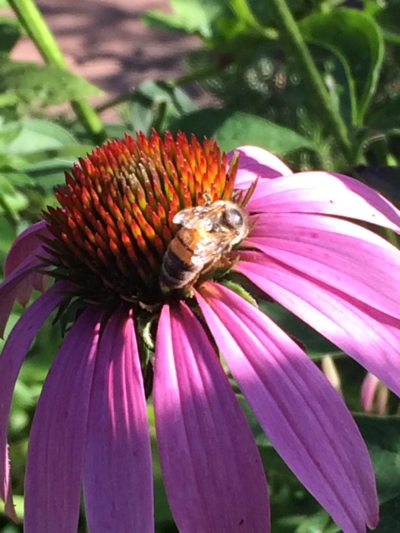
  3. Purple Coneflower– this long-lived perennial comes to life in late summer with a striking display of large purple flowers and attracts a variety of bees and butterflies.Photo of honey bee on purple coneflower bloom.
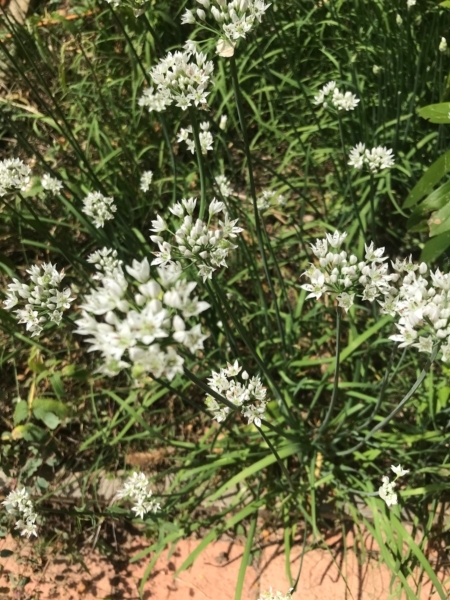
  4. Garlic Chives- when the white star-shaped flowers of garlic chives start to bloom they are abuzz with so many bees you won’t believe your eyes. They are a late season nectar source for butterflies too.

Photo of the white blooms of garlic chive.

Fall Blooming Annuals:

These flowers have been working hard in the garden all summer and will continue to bloom until the first frost strikes.

  1. Cosmos– these drought-tolerant flowers come in shades of pink, white and red and will begin to bloom in late summer and last well into fall.
  2. Cleome-with ample nectar stores, the pink to lavender flowers of this western native are loved by bees and butterflies.
  3. Calendula-this long-time garden favorite loves the cooler weather of fall and its flowers of yellow, orange and gold add a great splash of color to the garden.
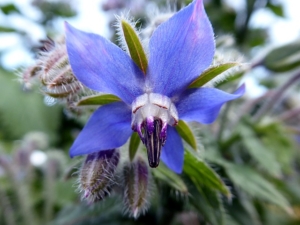
  4. Borage– the long-blooming, blue, star-shaped flowers are adored by the bees.

    Single blue Borage bloom.

    Photo courtesy of Pixabay virginie-I

Check out this blog post about borage- https://bit.ly/2MtXMKv

  1. Mexican Sunflower– loved by bees, butterflies and hummingbirds the vibrant orange blooms will last until frost.
  2. Marigolds– this garden staple will add a blast of color to your border and looks great in pots.
  3. Sunflowers-nothing is more cheerful than a sunflower and the bees, butterflies and birds adore them.
  4. Zinnias– with blooms in every color of the rainbow these long-lasting flowers are a great addition to the garden and the bees love them.
  5. Pincushion Flower– both the perennial and annual varieties of the pincushion flower produce a sweet fragrance that attracts butterflies, bees and hummingbirds. Regular deadheading of the spent blossoms will keep these beauties blooming all season long.

Back To School

The Importance of Learning Gardening

by Sam Doll
Back to School Learning Gardens.

What do you think of when you imagine a classroom? Do you think of rows of desks, educational posters, a whiteboard with a professionally dressed teacher at the front? There may be a few toys or tablets with games designed to teach kids their alphabet or basic math.

That traditional classroom is useful for certain things, like learning grammar and division, but it is really inadequate for teaching kids about the world they live in and interact with every day. This is especially true with food.

Most kids, especially those from low-income or urban areas have very little understanding of what food actually is or where it comes from. Kids learn through their senses, so when they aren’t given the opportunity to actually see and touch and understand how food comes from the earth to their plate, it is hard for them to have a deep understanding of the food system and it is harder for them to make healthy choices. Ketchup has no connection to a tomato and the tomato has no connection to the earth.

We know that good nutrition is linked to higher academic achievement. We also know that gardening has many positive outcomes for children, including better nutrition, social skills, and academic achievement.

That is why school learning gardens are such a powerful education tool. These outdoor classrooms can be installed either on school campuses or remotely and provide a unique, hands-on opportunity for kids to learn lessons in nutrition, science, and community while getting a tasty, healthy snack right from the garden!

One of the biggest organizations pushing for school learning gardens is Big Green. Started by Kimbal Musk, food entrepreneur and brother of Elon Musk. Big Green installs learning gardens at low-income schools across the country.

They provide dedicated garden instructors, so teachers aren’t being asked to do more than they already are and kids are getting information straight from the experts. Started in Boulder, Colorado (BBB Seed’s hometown), Big Green has built learning gardens at over 378 schools in seven states.

At BBB Seed, we are dedicated to educating people of all ages about the benefits of eating healthy, protecting our pollinators, and gardening with organic methods. To get educational materials sent straight to your email, make sure to sign up for our newsletter at the bottom of the ‘home’ page.


Preserving Herbs in Vinegar

Infusing vinegars with herbs.

photo courtesy of Anelka / pixabay

Vinegar Infusing

By Heather Stone

Last week we talked about drying as an easy way to preserve your herb harvest. This week we are going to dive into infusing herbs in vinegar. There is lots of room for creativity when making infused vinegars. You can infuse single herbs, a combination of herbs, herbs with flowers and don’t forget fruit. The possibilities are endless.

The end product can be used in a number of ways including; salad dressings, marinades, rubs, sauces, beverages and more. Beautifully bottled vinegars also make great gifts.


  • First, you will need to choose your vinegar. There are many varieties of vinegar including white, apple cider, rice, champagne and wine vinegars. Milder tasting vinegars are well suited for delicate herbs and flowers. Your more robust herbs do best in wine vinegar. Really it’s up to you and what you like best.


  • Wash and gently pat dry your herbs. Make sure you are using the best quality leaves and flowers, leaving behind those that are bruised, brown or have been nibbled on.


  • Place three to four sprigs of fresh herbs or 3-4 tablespoons of dried herbs per pint of vinegar.


  • Cover your container tightly with a non-metallic lid and place it in a cool, dark place to infuse. Allow it to steep for 2-4 weeks, giving it an occasional shake.


  • Once your vinegar has reached your desired flavor, remove the herbs and place the vinegar into a sterilized jar or bottle. Don’t forget to label and date your vinegars! Stored in a cool, dark place your vinegar should last 4-5 months. Refrigerate for longer storage.


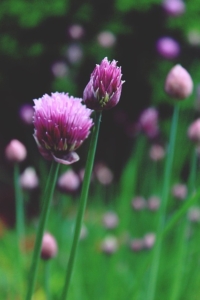
Chives with pink blossoms.

Photo courtesy of TanteTati / pixabay

Some of my favorites include:

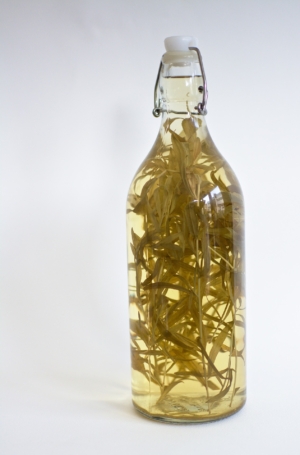
A bottle of taragon infused vivegar.

Photo courtesy of mammela / pixabay

French tarragon in apple cider vinegar

Chive blossoms in rice vinegar- the beautiful blossoms turn the vinegar a beautiful shade of pink

Violets in white wine vinegar- this vinegar turns an amazing shade of purple

Raspberries in cider vinegar

Parsley, thyme and sage in red wine vinegar


Check out these links for more ideas for flavor combinations.

https://theherbalacademy.com/making-herbal-vinegars/

http://www.frontiercoop.com/community/how-to/herbal-vinegars

https://nchfp.uga.edu/publications/uga/uga_flavored_vinegars.pdf


Drying: An Easy Way to Preserve Your Herbs

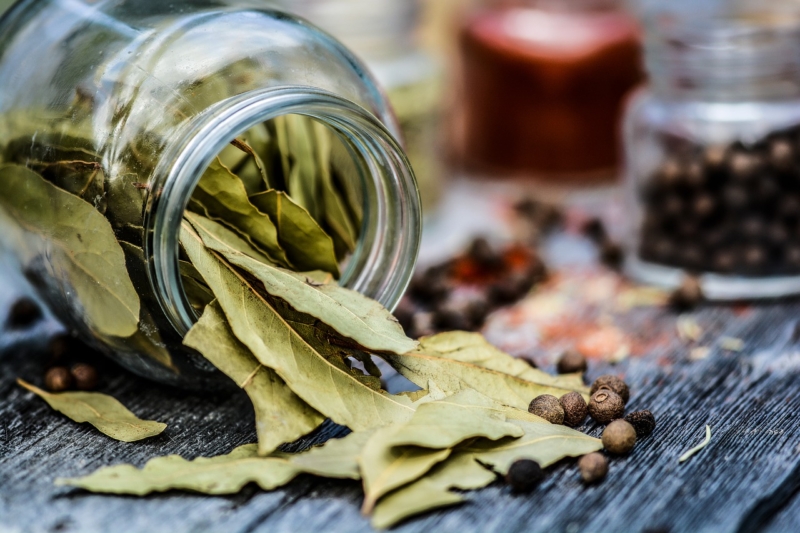
A Jar of dried spice leaves.

Photo courtesy of monicore / pixabay

Leaves

If you’re harvesting leaves, the best time to pick is before the plant begins to flower.

Flowers

If you’re harvesting flowers, harvest the blossoms just before they are in full bloom.

Seeds

If you’re harvesting seeds, the seeds should remain on the plant until they are fully mature and begin to dry.


Here are three easy methods for drying your newly harvested herbs.

Air drying

Air drying is the easiest method of drying herbs and can be done in several ways. One way is to air dry in bundles. First, gather the stems in a loose bundle. You want good air circulation throughout and around the bundle. Next, hang them stem side up in an area that is warm, dry, dust- free and out of direct sunlight. Finally, your herbs are ready when they are dry and

crumbly to the touch. This can take anywhere from four days or

up to two weeks if temperatures are on the cooler side.

Drying seeds? Place a paper bag loosely over the bundle to catch any seeds that might fall.

If you are working with a smaller quantity or have plants with delicate leaves or flowers you can place them on a drying rack or screen. This can be a piece of cheesecloth, a window screen or a brown paper bag with holes punched in it. Just like drying in bundles you want good air circulation and to keep the herbs warm, dry and out of direct sunlight.

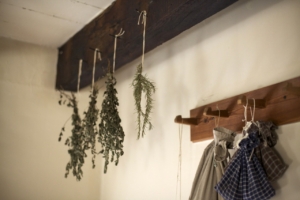
Preserving herbs by tying bundles of spices to hang from a beam.

Photo courtesy of pixabay

Dehydrating

Using an electric food dehydrator is a great way to quickly dry your herbs, which can be helpful if you live in an area with high humidity. Keeping the dehydrator on the lowest temperature setting, follow the instructions on your dehydrator for how to place the leaves and recommended drying times.

Oven Drying

For oven drying, begin by placing individual leaves on a lined baking sheet. Set your oven to its lowest temperature and keep a close eye on them. You don’t want them to dry out too quickly.

Now that your herbs are thoroughly dry you want to store them properly to maintain their quality and taste. You can store your herbs in jars (glass or plastic) with tight-fitting lids or in well-sealed plastic bags. Make sure to label your containers with the herbs name and date. Keep your herbs in a cool, dark place to maintain freshness.

12 Easy Ways to Save Water Now

Kitchen faucet with running water.

Photo courtesy of kaboompics / pixabay

Saving Water

by Heather Stone

No matter where you live reducing your water use is important. Water is a finite resource and we are using more of it than ever. Did you know that the average American uses 88 gallons of water a day at home? In comparison, Europeans use about half that and in sub –Saharan Africa persons average only 2-5 gallons a day. Now most of us aren’t likely to get our water usage to that level, there are many ways we can reduce our water consumption in the home.

When it comes to saving water, the little things do really add up. Here is a list of 12 easy things you can do in your home to reduce your water consumption and lower your water bill.

1. Repair leaks. Drip, drip, drip. This is the sound of a precious resource being wasted. Fix those leaking toilets and showers! This can make a big difference. The average family can waste 180 gallons per week or 9,400 gallons of water annually from household leaks. Nationwide, these household leaks can waste almost 900 billion gallons of water in a year. Not sure if your toilet is leaking. Place 10-12 drops of food coloring in your tank, don’t flush. Check back in thirty minutes. If there is color in the bowl, you have a leak.
2. Install water saving fixtures like faucet aerators and low flow showerheads. These low cost and easy to install items can significantly reduce water volume. If you have a little more money to spend replacing your old toilet with a low –flow model can save 50-80 gallons of water a day.
3. Don’t use your toilet as a wastebasket. Whenever you flush that tissue or bit of trash down the toilet you’re wasting gallons of water. Put it in the trash instead.
4. Take short showers instead of baths. Turn off the water while you are soaping up.
5. How many gallons of water go down the drain while we wait for the shower to warm up? Collect that water in a large bucket and use it to flush the toilet or water plants.
6. Turn off the water to brush your teeth. The average faucet releases 2 gallons of water a minute.
7. Fill the sink to shave instead of letting the water run.
8. Only run your dishwasher when it’s full.
9. Fill a basin with water for rinsing your dishes. Use this water to water your plants or flush your toilet.
10. Limit the use of your garbage disposal. Try composting those food scraps instead!
11. Wash your fruit and veggies in a tub or bucket instead of rinsing under running water. This can save gallons of water from going down the drain.
12. Only run your washing machine when it’s full and skip the permanent press cycle. Most machines use 5 gallons of water for that extra rinse.

Want to determine your personal water footprint? Check out this water footprint calculator.


Tomato Staking 101

Supporting Tomatoes

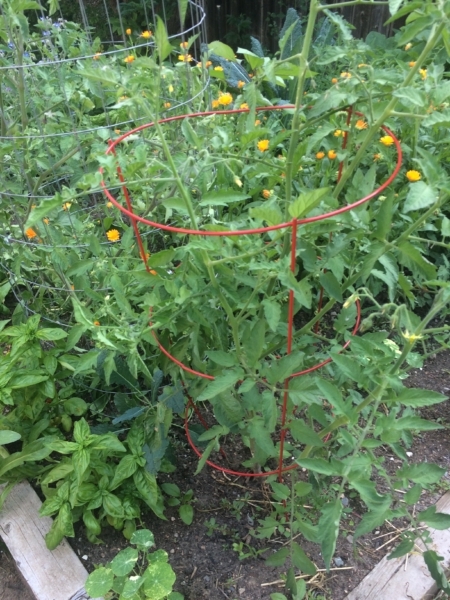
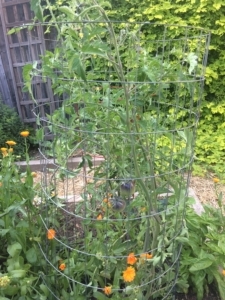
by Heather StoneTomato plant in a cage for support.

 The ways in which to support tomatoes are as varied as the gardeners who grow them. Staking your tomatoes is important for many reasons. Keeping your plants upright and off the ground helps keep not only insects and critters at bay but can prevent many tomato diseases as well. Click here to check out our comprehensive guide to tomato diseases. Staking maximizes growing space, makes harvesting easier and keeps the garden looking tidy. Here is a little information about three different methods you can use to successfully stake your tomatoes.

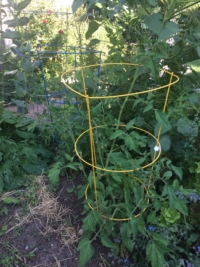
Tomato plant supported by a cage.

Cages

Caging tomatoes is an easy and efficient way for the home gardener to support tomatoes. Store bought cages come in a wide variety of sizes and colors. The smaller cages are more appropriate for determinate tomato varieties which are more compact in size averaging around 3-4’ tall. The larger cages will best suit the large, sprawling indeterminate varieties which can range in height from 6-12’.


You can make your own tomato cages too. Hardware stores sell rolls of wire fencing or mesh that when cut in 5’x5’sections can be rolled into a circular cage and placed over the plant. This is best done while the plants are still small. Pin the ends together with wire or zip ties and anchor the cage into the ground with stakes. Make sure your grid openings are at least four inches in diameter. This will make pruning and harvesting a breeze. These cages are sturdy and will last for years.

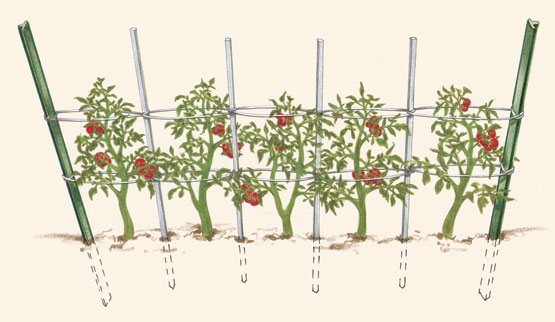
Tomato plant supported by a section of wire fence.

Stakes

Staking tomatoes is also an effective way to support your tomatoes. This method simply requires driving a stake into the ground near the plant and tying the plant up the stake as it continues to grow. To avoid any root damage, place stakes in the ground before planting or when plants are still young.

For indeterminate tomato varieties, stakes should be at least 7 feet tall and driven a good foot into the ground. This will keep the stake from tumbling over with the weight of the plant. Stakes can be wood, plastic, metal or made from salvaged materials. When tying up your tomatoes, it is best done loosely and with a soft material. I like to use old t-shirts cut into strips.

The Florida Weave

http://www.finegardening.com/how-to/articles/supporting-cast-for-tomatoes.aspx

In the Florida or basket weave technique you are essentially sandwiching your tomato plants between two walls of twine. This technique works best when you are planting in rows. Begin by placing one stake at the end of each row, or space stakes every 3- 4’ apart for longer rows. Drive stakes into the ground at least one foot deep. Next, tie your twine to your end stake about 8-10” from the ground. Pull the twine past one side of your tomatoes to the front of the next stake. Loop the twine around the back of the stake and pull tight. Keeping the string taught continue down the row until you reach your last stake. Tie off at the last stake. Now, loop back the other direction until you are back where you started. Tie the twine to the first stake. As your tomatoes grow you will need to add another layer of twine about every 6-8” to keep the plants upright.

Check out this video demonstrating the Florida or basket weave technique.

4 Tip for Keeping Your Basil Productive


Photo of basil leaves.

Taking Care of Your Basil

by Sam Doll

Fresh basil is one of the true treats of the garden. This sweet and savory herb can be used in anything from a fresh Caprese salad, a lovely pesto, or even chopped up as a flavor bomb on grilled meats and veggies!

However, it can be really hard to keep your basil productive, lush, and tasty throughout the summer. If you aren’t careful, your beautiful basil can become scraggly, short-lived, and bitter!

Don’t worry though. With these tips, whether it is classic sweet basil or spicy Thai basil you will have bushy, verdant basil all season long.

1.      Sun is Basil’s Friend

Basil originated from subtropical areas of ancient India. Due to its roots, it loves a lot of sun and a lot of water. Make sure your basil is getting at least 6-8 hours of full sun every day. If you are keeping your basil in a container indoors, make sure that it is near a south-facing window.

Check out our guide to growing windowsill basil!

2.      Water is Basil’s 2nd Best Friend

Basil likes to be well hydrated, so make sure that you are frequently watering and that the soil is well drained. There is no set schedule you should be watering during, just keep an eye on the soil and water when it first appears dry.

3.      The More You Take, the More the Plant Gives

If left to its own devices, the basil plant will grow tall and spindly. Unfortunately, a tall skinny plant does not provide many leaves for you to munch on. To make the basil bushy and bountiful, you need to consistently prune and harvest from the plant.

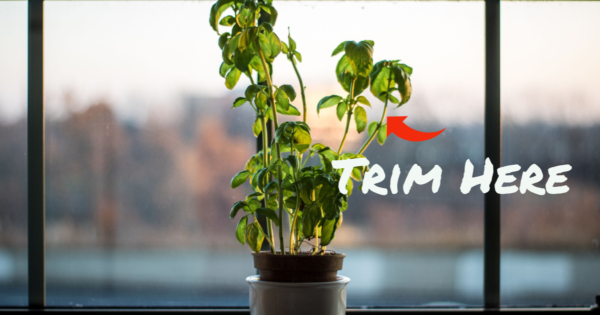
The key to harvesting basil is to not just pick off the leaves. You want to cut or pinch off the leaves at the stem, right above a set of two leaves or nodes, like bellow. These nodes will create two separate branches, so make sure to leave at least one or two of these below the trim spot on the stem. If you keep this up every one to two weeks, you will have a massive, bushy basil plant by late summer!

Photo of basil plant showing where to trim the stem.

Here is a helpful video guide to show you how to prune your basil

4.      Flowers are Your Enemy

When a leafy plant decides to produce seeds, it is known as bolting. Bolting, which often happens when the weather turns hot, is when the plant expects a period of high heat and little water, so it tries to produce seeds as quickly as possible. You can tell when your plant is bolting because it will have a period of rapid growth and flower production.

Once a basil plant goes to seed, the plant will start to wither away, and the remaining foliage will turn bitter and can take on an anise, or liquorice, flavor. If you let your basil get away from you, this can reduce your harvest season by months.

The easiest way to manage this is to cut off or pinch off any flower structures as soon as they appear. This will prevent the plant from bolting and, like with pruning, it will encourage the plant to branch off from where you trimmed it, making your plant even more productive and bushy.


If you want to get a little wild, try our Lemon Basil! It’s great in summer dishes and cocktails!


Guide to Common Tomato Diseases

by Sam Doll

Nothing is better in mid to late summer than the taste of a garden-fresh tomato. However, it takes a lot of hard work and care to help your tomatoes survive their perilous journey from seed to fruit. Here are nine common tomato diseases and what you need to do to treat them.

Fungal Diseases

Many common tomato diseases are caused by fungi. These diseases often are caused by specific environmental conditions like high moisture and certain temperature ranges. They are most often spread by contaminated soil or water and are usually manageable with vigilant prevention techniques and various fungicides.

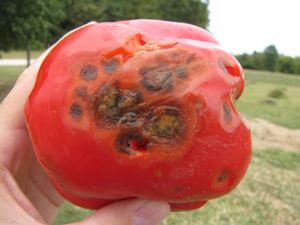
AnthracnoseRed tomato showing the fungal disease Anthracnose.

What is it?

Anthracnose (Colletotrichum coccodes) is a fungal disease that primarily attacks the tomato fruits. It will affect both green and ripe tomatoes and will appear as small, sunken water-soaked area on the outside of the tomato.

As the disease progresses, the spot will widen and turn dark and expand. Infected unripe tomatoes will not show symptoms until the fruit ripens and the disease progresses faster the closer the tomato is to maturity.

Septoria Leaf Spot

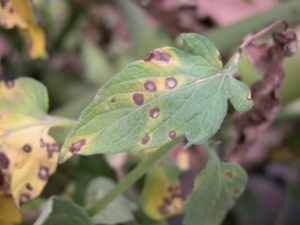
Tomato leaf showing the fungal disease Septoria Leaf Spot.

What is it?

Another fungal disease, Septoria Leaf Spot is caused by Septoria lycopersici. Unlike Anthracnose, Septoria attacks the leaves and stems of the plant but does not affect the fruit. The disease is more likely to appear on leaves closer to the ground and appears as the plant begins to fruit.

The primary symptoms are numerous round and small spots on the leaves that are dark on the outside and lighter in the center where the spore-producing bodies are. Highly infected leaves will yellow and fall off, which can expose the tomato fruit to the sun and cause sunscald.


Early Blight

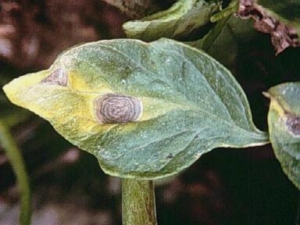
Tomato leaf showing the fungal disease Early Blight.

What is it?

Caused by the fungus Alternaria solani, Early blight affects older leaves and appears as a small brown spot with concentric rings. As it spreads throughout the leaf, it will cause it to yellow and wither. This can weaken the plant and expose the tomato fruit to sunscald and reduce yield.

The fungus can also attack the stem and fruit but is less common than in the leaves. It often progresses upward from the bottom of the plant.

Late Blight

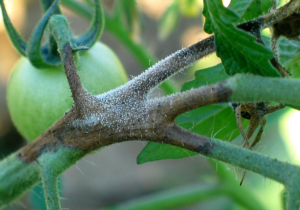
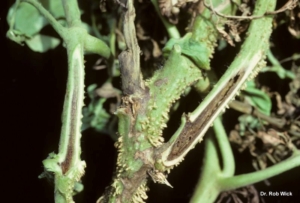
Tomato stems showing signs of Late Blight.

What is it?

Late Blight (Phytophthora infestans) is a disease found in tomatoes and potatoes and is most infamous for causing the Irish Potato Famine.

Late blight thrives in humid, cool weather ( >90% humidity and <80°). It appears on all parts of the plant, usually starting on older leaves and then spreading to fruit and stems. It appears as a dark, water-soaked patch that will soon enlarge and grow a white moldy substance.

Late Blight is a slightly different beast than the other fungal diseases. It can move quickly through the garden and is spread by both water and wind. You can do all the prevention in the world, but a nearby garden with infected plants can blow spores over into your yard!

Use the treatment prescribed bellow but be prepared to pull and destroy plants if it spreads too far to save to rest of your garden and your neighbors’ gardens as well.


Fusarium Wilt

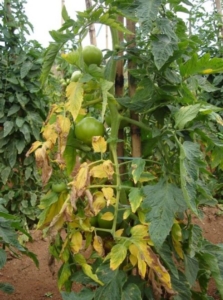
Tomato plant showing signs of Fusarium Wilt.

What is it?

Fusarium Wilt (Fusarium oxysporum) is a warm-weather disease most common in southern regions. It appears as a wilting or drooping of the lower leaves, followed by the wilting and death of the entire plant. Oftentimes, leaves on one side of the plant will turn yellow.

The disease attacks the roots through the infected soil and will clog off the vascular system of the plant. It usually hits younger plants and there is no known treatment. The best way to prevent wilt to ensure that any soil or material you place in your bed is clean, including the soil from starts. There are also some disease-resistant hybrids.

The yellowing is a telltale sign, also check the soil. If the soil is dry, the wilt is most likely from lack of water. Water the plant to see if the wilting persists. If you are sure it is fungal wilt, the best thing to do is destroy the plant

Our blog on keeping tomatoes in hot weather will help you tell if your plants are sick or just thirsty!

How To Prevent and Treat Most Fungal Diseases

Fungi thrive in warm wet environments. The spores are transmitted primarily from splashing water, either from rain or irrigation. Poorly drained soil, overwatering, and lack of air circulation around the plant can all create conditions for the spread.

To prevent most fungal diseases, only purchase certified disease-free seeds and don’t replant seeds from afflicted plants. Make sure your bed or container is well drained, do not overwater, plant the tomatoes in full sun. Space and stake or support the plant with cages to make sure that the plant can air out properly after watering. Also, avoid overhead watering to limit water splash, which would spread the spores

If your seeds are healthy, you can save them for future use. Here is our blog on the subject.

If you do see Anthracnose in your tomatoes, make sure to harvest the fruits as soon as they are ripe. Copper-based fungicides and a few organic fungicides can be effective for treatment of infective plants.

If you see infected leaves, feel free to remove them to help slow the spread of the disease. Make sure to wash your hands and tools after handling infected plant material.

After seeing any fungal diseases in your garden (besides Late Blight, which does not overwinter), make sure rotate your planting sites on a three-year cycle with plants that are not from the Solanaceae family (i.e. tomatoes, eggplants, peppers), which are closely related to tomatoes. Make sure to remove all plant material at the end of the season and do your best to keep the site weed free. If you do not have another planting site to rotate with, switch to containers instead.

The best prevention possible is to keep the plants as healthy and vigorous as possible. Like us, unhealthy or weak plants are more likely to get sick

Check out the Clemson Cooperative Extension Tomato Disease Factsheet for more information on fungal diseases like Leaf Mold, Buckeye Rot, or Southern Blight

Bacterial Diseases

Unlike funguses, which are multicellular organisms with complex cells (eukaryotes), bacteria are simple, single-celled organisms (prokaryotes). Bacteria are the most common form of life on earth and are, for the most part, harmless.

However, there are some bacteria that specialize in infecting and living in other species. These can be harmless, like the natural bacteria in your gut that helps you digest things like cellulose, but are sometimes dangerous, or pathogenic. Just like you can get strep throat from bacteria, your tomatoes are susceptible to them as well.

Tomato Pith Necrosis

Tomato plant showing signs ofTomato Pith Necrosis.

What is it?

While mostly seen in greenhouse conditions, Tomato Pith Necrosis can occur during the early growing season in periods with cool temperatures and high humidity. Plants are especially susceptible in areas with high nitrogen levels, when the tomato starts are growing rapidly.

The first noticeable symptoms of this disease are usually wilted leaves followed by black lesions on the stems. As the disease progresses and the bacteria become more established in the stems, splits, cracks, shrinking, and other deformations are common.

If there are green fruit, the disease can cause a greasy, water-soaked spot on the blossom end of the fruit.

What do I do?

The best prevention of Tomato Pith Necrosis is to have control over your soil conditions. The main factor in pith necrosis is excess nitrogen in the soil. Don’t over fertilize early in the season and keep tabs on your soil quality.

Check out our Guide to Soil Management

Also, like with the fungal diseases, make sure your plants are properly spaced so they have room to breathe and dry out and avoid overhead watering.

If your plants do become infected, you can wait until warmer, dryer weather to see if they recover. If not, remove and dispose of them.

Make sure that you are rotating your plots on a three-year cycle and do not plant in plots that have had closely related plants like peppers. Do not put them in your compost because the bacteria can live on the diseased plant material for years.

Bacterial Spot

What is it?

Bacterial spot attacks the leaves and fruit of the tomato plant. It occurs during wet and warm conditions and can cause leave wilting, leaf and fruit spots, and defoliation. The leaves will show small and irregular spots as well as yellowing and browning as the disease persists. The fruit will have multiple dark specs that are dry and rough to the touch.

Fruit inflicted with Bacterial Spot, as with any diseased fruit, should not be consumed. While the disease itself isn’t dangerous to humans, it provides openings for dangerous pathogens to enter the fruit.

What do I do?

Spot often appears after heavy summer rainstorms. Make sure your plants are well spaced and pruned so they can air out effectively. Do not use overhead watering. If you are in an area where Spot has been seen, make sure you are cleaning your tools and rotating your plants. Preventative applications of copper-based fungicide can be effective in controlling spot.

If your plant does have Bacterial Spot, make sure that you immediately remove and dispose of it. Clean any tools you use with a 10% bleach solution or rubbing alcohol. Remove any plant debris.


Bacterial Canker

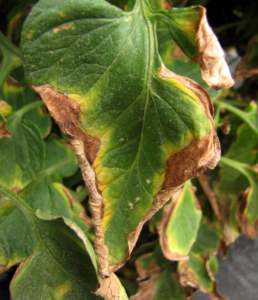
Tomato leaf showing signs of Bacterial Canker.

What is it?

Bacterial Canker is one of the most difficult to identify and control tomato diseases once it takes hold. It can affect plants of all ages and has a variety of symptoms that are easily confused with other diseases.

Early symptoms are spots, browning, and wilting of leaves. Later symptoms include raised spots on the stems and fruit, which often include a white “halo” around a brown spot in the center. On older plants. The stems will show cankers or open “sores”. Once this disease takes hold, the plant is essentially doomed.

What do I do?

Prevention is the best defense against bacterial canker. Buy only certified disease-free seeds. Avoid overhead watering and space plants appropriately. Copper-based fungicides can be effective in prevention.

If you notice this disease on your plant, make sure to remove it, any plant debris and its neighboring plants immediately. Bag the removed plant material and dispose of it. Clean your tools and do not plant tomatoes on the site for a few years as the disease can live in the soil.

Viral Diseases

Viruses are pathogens that are usually a piece of genetic material surrounded by a protein. Not technically alive, these diseases are usually spread by “vectors” or living things that carry the disease. Think mosquitoes carrying West Nile.

Since each virus is spread differently, each will need its own prevention plan. There is no treatment for viral infections and the best course of action is often to remove and destroy infected plant material.

Mosaic Virus

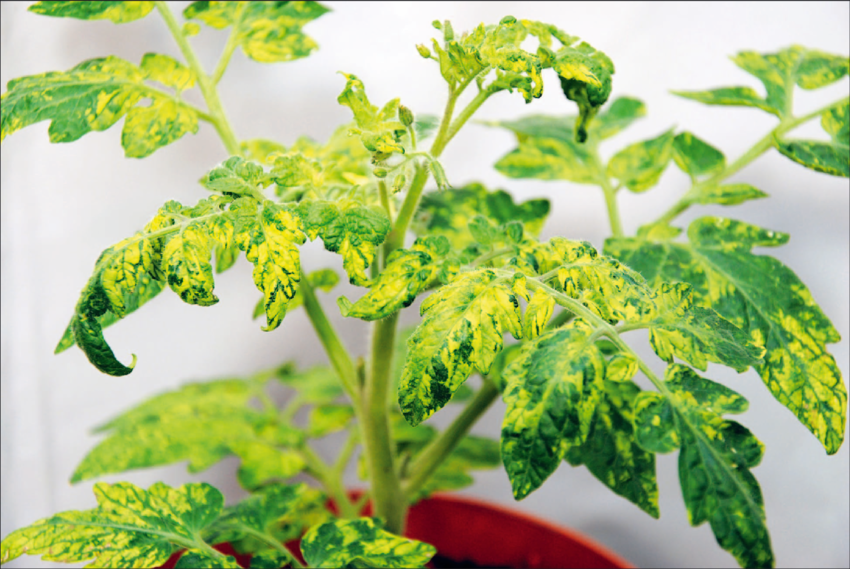
What is it?Tomato leaves showing signs of the common tomato disease, Mosaic Virus.

Mosaic Virus is a family of viruses that can affect tomatoes, peppers, and other plants in your garden. The most common one that might impact your tomatoes is the Tobacco Mosaic Virus (TMV), the Tomato Mosaic Virus (ToMV), and the Cucumber Mosaic Virus (CMV). Despite their names, all of these can seriously infect your plants.

The symptoms of both TMV and ToMV are varied and difficult to tell apart. The most common symptoms include irregular growth, strange leaf shapes, and mottled coloring in the leaves and fruit. You may still get yield from tomato plants infected with Mosaic Virus, but it will likely be stunted and fewer than you would have gotten normally.

CMV is spread by aphids and create a stunted, bushy, sometimes yellow plant with severe leaf malformation and mottling. Tomatoes with CMV produce very few fruits.

What do I do?

TMV and ToMV can be easily spread through touch and soil. Even handling tobacco products like cigarettes can contaminate your garden with TMV. Monitor seedlings closely for signs of the disease and make sure to remove any possibly infected plants.

If you are concerned at all, you can make a solution out of skim milk to spray the plants with. Proteins in the milk bind to the virus and make it unable to attack the plant. If you know you have handled any plants, wash your hands and tools with the same milk solution or soap and water to prevent transmission. The virus can live for over two years on surfaces and in the soil, so do not replant in soil that has been infected and make sure to remove all plant material from the site.

Since CMV is spread through aphids, the best prevention is to control the weeds in your garden to prevent aphids from jumping from plant to plant. Insecticides are not effective because new aphids can easily pick up the virus and spread it seconds from coming in contact with the plant. Surrounding the tomatoes with taller plants that are not attractive to the aphids can create a buffer and using aphid predators, like ladybugs, can keep the general population of aphids in check.


Tomato Spotted Wilt Virus (TSWV)

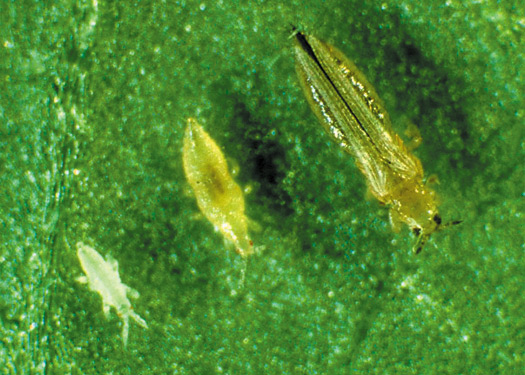
Photo of tomato thrips on a leaf.

Thrip

What is it?

Tomato Spotted Wilt Virus (TSWV) is a highly contagious pathogen that can infect over 1000 different species of weeds, native plants, and ornamentals. It is transmitted through an insect pest known as thrips, which will feed on a variety of different plants.

See this video on the Thrip lifecycle

The symptoms of TSWV vary from one variety of tomato to another, but often result in stunting and dead (or necrotic) spots on the leaves. They can also cause low plant yield, mottled fruit, and wilt.

What do I do?

Unless your garden is contained within a greenhouse, it will be difficult to control the spread of TSWV. The most effective management is to eliminate the weeds in your garden that can harbor thrips throughout the winter. Remove any remaining plant material and weeds, then till and mulch the garden for winter to remove any habitat for the thrips.

If you have plants that are infected with TSWV, you can remove it to prevent it from spreading the disease to nearby plants. Insecticides are relatively ineffective against thrips because applied insecticides are unlikely to come in contact with thrips on the plant and systematic pesticides are not fast enough to stop the thrip from infecting the plant. Insect predators like ladybugs, minute pirate bugs, and lacewings will all feed on thrips.


Tomato Yellow Leaf Curl Virus (TYLCV)

What is it?

Tomato Yellow Leaf Curl Virus (TYLCV) is a virus that is spread through seeds and whiteflies that causes yellowing and curling of leaves, stunting, flower drop, and severely reduced yield in tomatoes and peppers.

While TYLCV can be spread between seeds, the primary risk factor for your garden would be the spread of the virus through whitefly pests. Whiteflies are small, white flying insects that feed on the undersides of leaves.

What do I do?

Like TSWV, the best prevention is to keep whiteflies off of your plants. Do your best to keep weeds under control to limit available habitat for the whiteflies, till and mulch during the winter, and introduce natural predators.  Products that use canola oil or horticultural oil can act as a whitefly repellent. For how to make your own, check out this article.

Another option you may want to consider is to use reflective mulches. These mulches reflect light back up at the plant and disorient insect pests.

Learn more about reflective mulch here

If your plants do become infected with TYLCV you really only have two options. You can wait it out to see if you do get any harvest, and then remove all susceptible plants at the end of the season. The other option is to remove infected plants immediately to try to limit the spread of the virus.

When you do remove your plants, bag them as soon as you can to contain the whiteflies on the plant that are carriers for the virus.


Disease Prevention Checklist


  1. Buy only disease-free seeds
  2. Rotate your tomatoes and like crops on a three-year cycle
  3. Make sure the plants are properly spaced and pruned so they can dry out properly
  4. Avoid overhead watering
  5. Remove diseased plants
  6. Control weeds in and around the garden bed to prevent pests from harboring in them
  7. Do not compost infected plant material
  8. Sterilize your tools
  9. Keep vigilant
  10. If you are unsure about something, check with your local extension office


Are your tomatoes healthy and beautiful? Read this guide on how to tell when they are ready to pick!

Guide to Pea Harvesting: When and How to Harvest Your Garden Grown Peas

Harvesting Peas

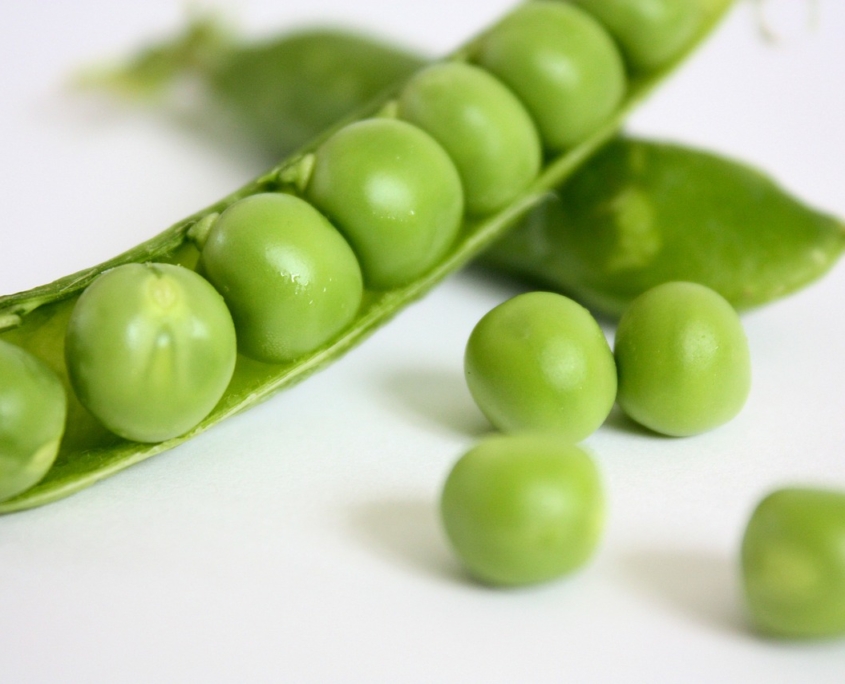
by Sam DollFat garden peas in the shell.

How do you know it’s “officially” summer? Is it when the pool opens back up or your neighbors start grilling? For me, it doesn’t REALLY feel like summer until I can walk into my garden and eat a sweet snap pea off the vine!

While those pea pods are pretty tasty from the start, how do you know when the perfect time to pick them is? What if you want shelled peas, peas for stir fry, or even microgreens? We’ll help you figure out how and when to harvest your peas here in our Guide to Pea Harvesting.

Garden Peas

Garden peas, also known as English or sweet peas, are the classic pea, great for side dishes or soups. While this pea can be eaten whole when it is young and tender, it shines brightest when shelled.

When harvesting garden peas to be shelled, check for the pod to be bright green and rounded. It should be slightly shiny and have no visible bumps. If the pods have bumps from the peas getting too large, the peas may be over-ripe and could be too starchy or mealy in texture.

We recommend our Green Arrow variety of garden peas. They have a high yield (8-11 peas per pod) and are good tender as well.

Snow Peas

Snow peas are recognizable for having flat pods with very small peas inside. They are mild and sweet and are almost exclusively eaten whole. Great eaten fresh or in stir fry, snow peas can be some of the most delightful crops in your garden.

Since snow peas are meant to be eaten whole, it is better to err on the early side when harvesting. The peas should be small and a little loose in the pod. If they go too long, the pods will become fibrous and the crop will lose most of its sweetness.

Snow peas are also great for growing microgreens due to their quick germination. The shoots are sweet, crunchy and delicious. Harvest them when they are about 2″ long and use them as a garnish, add them to sandwiches, or mix them in salads and soups.

The Oregon Sugar Pod II (long name, great plant) is the perfect sugar pod for everything from microgreens to stir-fry.

Snap Peas

Snap peas, or sugar snap peas, have a plump, edible pod that makes for a classic summer snack. A cross between garden peas and snow peas, snap peas are best as a sweet, light snack but can also be shelled or lightly cooked.

Like snow peas, they can be harvested as early as you want to and as long as the pods are rounded and shiny. If they lose their shine or the pod begins to bulge where the peas are, they have gone too long to eat whole, but can still be shelled and enjoyed!

The Sugar Ann is our favorite variety of snap pea

Some Notes

The more you pick, the more you get. It is best to keep harvesting peas as long as possible so you can get the maximum yield for your hard work.

When harvesting, use two hands to pick: one to hold the plant and the other to harvest. Peas are delicate plants and rough harvesting can do more harm than good.

Peas fix nitrogen in the soil which makes them best buds with corn. You can also plant your peas with bush beans, pole beans, carrots, celery, chicory, cucumber, eggplant, parsley, early potato, radish, spinach, strawberry, sweet pepper, tomatoes and turnips. Keep your peas away from chives, grapes, late potatoes and onions.


My 10 Favorite Drought Tolerant Plants

Plants For a Tight Water Budget

By Heather Stone

 Here in Colorado, our summers are often hot and dry and there’s often some sort of “watering restrictions” in place. Those two words can bring just about any gardener to their knees.  But, you can still have a garden filled with beautiful flowers even if you’re on a tight water budget.  In my Zone 5 garden, these plants perform well whether we have a temporary or longer-term drought situation.


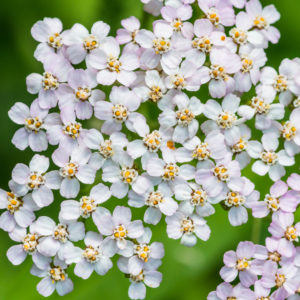
Yarrow- Achillea

This long-blooming perennial comes in a rainbow of colors (pink, white, red, orange and yellow).  The colorful blossoms are attractive to butterflies and make a good cut flower. Yarrow is hardy in Zones 3-9 and is best planted in full sun.


Lavender- Lavandula

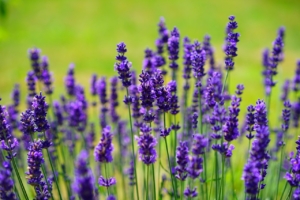
Purple Lavender blossoms.

Photo courtesy of Hans / pixabay

This native Mediterranean plant is accustomed to dry, sunny conditions.  The beautiful purple flower spikes look great on their own or in the border.  Lavender is prized for its fragrance and medicinal properties and is attractive to many pollinators. Hardy in Zones 5-10.


Sedum –Sedum spp.

There are many varieties of sedum from upright to low growing groundcovers.  They are sure to fit in just about any garden design from the back of the border to the rock garden. These easy to grow plants need little care once established.  Hardy in Zones 3-9.

Coneflower –Echinacea spp.

These beautiful, long blooming perennials are not only drought tolerant but will thrive in almost any soil and often self-sow. The blossoms are attractive to both butterflies and birds. The goldfinches love to eat the seed. There are several species and many varieties of this rugged plant with flowers in many shapes, sizes and colors. Don’t leave this trusty plant out of the drought-tolerant garden.Purple Coneflower bloom with bumble bee.

Soapwort- Saponaria spp.

A profusion of pink blooms covers this low growing plant for weeks in the spring attracting many bees and butterflies. This hardy evergreen plant grows best in Zones 3-8.  Soapwort was used by the early settlers to make soap.

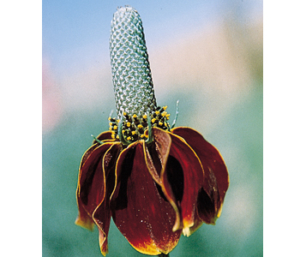
Mexican Hat- Ratibida columnifera

This sun-loving wildflower is both long-lived and long blooming and thrives in dry conditions.  The dark red blossoms look great planted in masses, attracting many bees and butterflies. Mexican hat is both a great cut and dried flower. Hardy in Zones 4-8.

Veronica spp.

Covered in blue, purple, white or pink flowers for weeks in spring or mid-summer this long blooming perennial comes in a variety of sizes. Clump forming varieties look great along the edge of the garden or the groundcovers really make a statement in the spring when covered in a mass of blue flowers. Plant in full sun. Hardy to Zones 3-9.

Beardtongues- Penstemon spp.

Native to most parts of North America Penstemons are a great choice for the dry garden. Their flowers are attractive to many pollinators and come in a variety of colors, sizes, shapes and bloom times. Some excellent choices for the dry garden include Penstemon Mexicali, P. pinifolius, P. eatonii,  P. strictus.

Catmint- Nepeta spp.

Catmint is a show stopper, blooming from early spring to early fall. The fragrant blue-purple flowers are attractive to many pollinators. This nearly indestructible plant is both deer and rabbit resistant and thrives in full sun in Zones 4-9.