
Our Ultimate Milkweed Growing Guide

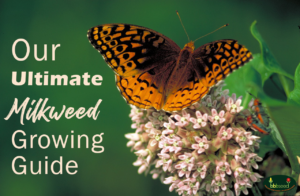
Growing milkweed graphic with a Butterfly on a milkweed flower.

Tips for Planting and Growing Milkweed Successfully 

by Sam Doll

Milkweeds are hardy, perennial wildflowers found throughout North America. Some species can grow up to six feet tall and they produce beautiful, fragrant flower clusters. Since they’re common ingredients in traditional medicine, their genus name, Asclepias, comes from the Greek god of medicine.

Milkweed has gotten a bad rap over the years. Allergies and perceptions of the wildflower as a weed have caused it to be wiped out throughout large portions of North America.

This is bad news for the Monarch Butterfly. Monarch mothers will only lay their eggs on milkweed plants (genus Asclepias) and, once hatched, their caterpillars exclusively live on and eat the leaves of those same plants. They cannot survive without them.  The prevalence of pesticides has not helped and the loss of milkweed, wildflowers, and other floral resources has devastated the monarch butterfly population. However, by restoring Milkweed to urban and wild landscapes, we can begin the process of saving the Monarch Butterfly! And our Ultimate Milkweed Growing Guide is here to help.

Don’t have your seeds yet? Check out our Complete Milkweed Buying Guide for all you need to know about our Milkweed Products!

Milkweed Growing Guide Table of Contents

  • Prep
  • Planting
  • Transplanting

Why all these steps?

Milkweed seed has a high percentage of dormancy, which means many of the seeds won’t germinate without a little special treatment or might need to age for a season. Since we want to make sure you have complete success with our seeds, here are some tips!

Prep:

Milkweed seeds need to be exposed to cold temperatures that normally occur in winter to help break their natural dormancy and begin to soften their hard outer casing. If you are planning to start your Milkweeds indoors, you will need to do this cold stratification yourself.

You can do this by putting your Milkweed seed in a damp paper towel, folding it to fit into a sealed plastic bag, then placing the bag into the refrigerator. Keep it there for 4-6 weeks before planting.

Planting:

Plant your seeds in small 2-4″ peat pots (recommended) or tall plastic pots. Make sure to use ‘seed-starting’ soil or medium. Moisten the soil, place 1-2 seeds into each pot and cover with no more than 1/6″ damp soil or medium.

Place the pots where they can drain. Water gently or fill a tray with 1/2” of water to be absorbed from the bottom of the peat pots. Dump the excess water after absorption.  Water when the top of the soil is dry and be mindful to not overwater.

Milkweed seeds germinate in warm conditions, so place your tray of pots in a warm spot like a sunny window, greenhouse, or under a grow light. Germination usually occurs after 10-15 days for cold-stratified seeds. To encourage sturdy stems, place your grow light bulb close to the soil. Sometimes a small fan blowing gently towards the new seedlings will encourage sturdier stems.

Other planting methods: Plant non-stratified seed into peat pots filled with seed-starting soil or medium. Moisten, and place in a greenhouse or under a grow light. Germination in this scenario might take several months.

If planting outside, seed in late fall. Let the Milkweed seed remain over the winter. This will accomplish the cold-stratification, needed. Germination should occur when the soil warms and the days are longer.

Oh, and while you’re at it, check out our Monarch Rescue Wildflower Mix. It has Butterfly Milkweed and a mix of other wildflower seeds to provide a nectar-rich place for Monarch Butterflies to fuel up and raise their young! Find it here!

Transplanting:

When the danger of frost is past and your plants reach 2-3″ tall, you can transplant outdoors. Choose a location in full sun if possible.

Milkweed produces a long taproot, so take care to not disturb the roots. Plant peat pots so that the top edge of the small pot is underground to avoid drying out. If your Milkweed seedlings were planted in plastic pots, be extremely careful with the roots. Continue to water after planting until plants become established. Once they are established, you can taper off your watering unless the season is extremely dry. The newly planted Milkweed seedlings may lose all their leaves due to transplant shock but should grow them back again.

Congratulations!

You’re now a proud Milkweed parent! Now just sit back and watch the Monarch Butterflies arrive!

P.S. – Save our Milkweed Growing Guide for next year by bookmarking this page on your browser.

*Note that all Milkweed contains cardiac glycosides, chemicals that are toxic when eaten. These chemicals, in turn, make the Monarch Butterflies toxic to any would-be predators. Avoid letting livestock and small children eat milkweed and wash any skin that comes in contact with the sap to avoid irritation.

Learn more about the Monarch Butterfly Migration by checking out this Blog post!
Monarch graphic.

The Complete Milkweed Buying Guide

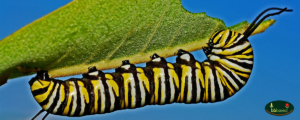
Photo of a colorful Monarch catapiller feeding on a milkweed leaf.

What Species of Milkweed is Best For You

By Sam Doll

Monarch Butterflies are amazing North American animals! Their iconic, colorful wings are actually warnings for potential predators. Those spots and strips are big caution signs saying: STOP; I TASTE BAD!

Every year, the Monarchs embark on one of nature’s most astonishing mass migrations. This incredible journey takes four generations and covers over 3000 miles through the United States, Mexico and Canada.

Monarch mothers will only lay their eggs on milkweed plants (genus Asclepias) and, once hatched, their caterpillars exclusively live on and eat the leaves of those same plants. They cannot survive without them.

The problem is that milkweed has gotten a bad rap over the years. Allergies and perceptions of the wildflower as a weed have caused it to be wiped out throughout large portions of North America. The prevalence of pesticides has not helped and the loss of milkweed, wildflowers, and other floral resources has devastated the monarch butterfly’s population.

It’s not without hope, though! Everyone can do their part to help. The most important thing you can do is to plant more milkweed on your property and in your community. This guide to purchasing milkweed seed will help you figure out which species of milkweed is best for you, and you can help Monarch Butterflies!

Oh, and while you’re at it, check out our Monarch Rescue Wildflower Mix. It has Butterfly Milkweed and a mix of other wildflower seeds to provide a nectar-rich place for Monarch Butterflies to fuel up and raise their young! Find it here!

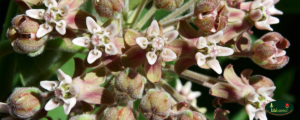
1.     Common MilkweedClose-up of the Common Milkweed flower.

The Common Milkweed is a hardy perennial with fragrant, terminal blossoms made up of tiny dusty-pink blossoms on hairy stems.  This milkweed is found throughout the Great Plains and is tough enough to tolerate most soil conditions. It does well in soils that are clay, sandy or rocky calcareous (high in calcium carbonate). These conditions occur naturally along stream banks, ponds, lakes, forest margins, and roadsides. Common Milkweed grows 2′ – 6′ tall and like areas with full sun. They bloom from June through September and will germinate between 65° and 85° F.

This milkweed is also a favorite of other butterflies, native bees and hummingbirds. The seeds will grow easily and do well when planted in the fall or when cold-treated for three months prior to planting.  Common Milkweed will spread both through seed normal distribution and as well as through underground shoots. Common milkweed spread readily and may need to be controlled. Common milkweed is particularly good for wetland rehabilitation and as a component in wildlife seed mixtures.

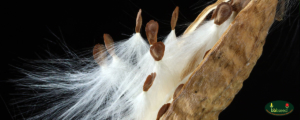
2.     Showy MilkweedThe fluffy seeds of the Showy Milkweed plant.

Similar to the Common Milkweed, this hardy perennial is a favorite of butterflies.  This species has traditionally provided food, medicine and fiber to indigenous peoples. The clusters of star-shaped flowers will range from dark-rose to white. The plant has tall woody stems with milky sap and with alternate, oval leaves that are velvety underneath. Showy Milkweed grows 24” – 36” tall and like areas with full sun. They bloom from May through July and will germinate between 65° and 85° F.

These plants grow well in a variety of locations from prairies and open woodlands to roadsides.  The seeds are very easy to grow and do well when planted in the fall or when cold-treated for three months prior to planting.  Showy Milkweed will spread through seed distribution and underground shoots

3.     Butterfly MilkweedClose-up photo of the blossoms of the Butterflyweed.

Also known as Butterflyweed, this hardy perennial. Unlike their cousins, this species lacks the milky sap that gives milkweed their namesake. The clusters of flowers will range from dark orange to white on tall woody stems with smooth shiny leaves that are velvety underneath.  The blooms begin in May and will last through July. These plants will grow between 12”-24” and perform well in a variety of locations; from prairies and open woodlands to roadsides.

Butterfly Milkweed is only pollinated by large insects. This trait is common among fall wildflowers, many of which depend on specific pollinators to survive. Butterfly Milkweed pollen is contained in a heavy, sticky structure called pollinium. Since these pollinium structures are so large and sticky, only larger insect pollinators can fly with them. There are several nectaries per flower and multiple flowers per bloom, which makes these flowers great pollen and nectar resources

The seeds will grow well when planted in the fall or when cold-treated for three months prior to planting in the Spring. Butterfly Milkweed will spread through seed distribution and underground shoots.

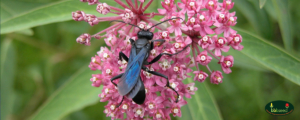
4.     Swamp MilkweedThe pink blossoms of the Swamp Milkweed with a visiting wasp.


The Swamp Milkweed is widely distributed across the U.S. and Canada; from Quebec and Maine south to Florida and Texas and west to Nevada and Idaho. This species prefers neutral to slightly acidic soil, although it will tolerate a pH up to 8.0. It has high moisture requirements, and it is usually found in wet habitats such as meadows, riverbanks, pond shores, stream banks, wet woods, swamps, and marshes, although it will also grow in drier areas such as prairies, fields, and roadsides. Swamp milkweed needs full sun or partial shade to flourish.

The plant grows into a two=foot tall perennial with fragrant, terminal blossoms made up of tiny rosy-purple blossoms.  This milkweed prefers average to very moist soils, will tolerate heavy clay soils and is easy to start from seed and deer resistant.  Like most milkweed, Swamp Milkweed seeds are easy to grow and do well when planted in the fall or when cold-treated for three months prior to planting.  Swamp Milkweed will spread through seed distribution and underground shoots.

Like the Common Milkweed, Swamp Milkweed is great for wetland rehabilitation and as a component in wildlife seed mixtures.


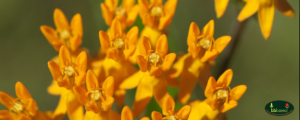
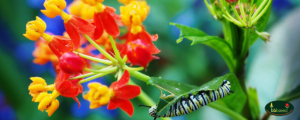
5.     Bloodflower MilkweedThe varigated orange and yellow blossoms of the Bloodflower Milkweed.

Bloodflower Milkweed, also known as Tropical Milkweed, is winter hardy in zones 9-11 and is easily grown from seed each year as an annual.  It is great for attracting hummingbirds, butterflies and a wide variety of pollinators.  Showy red-orange flowers with yellow hoods in rounded clusters grow on upright stems with medium-green, glossy, pointed leaves.  Attractive foliage and flowers for beds, borders, cottage gardens, meadows and butterfly gardens. It is also a good cut flower. Dried seed pods are attractive in arrangements.  Monarch Butterflies lay their eggs on the leaves and the larvae feed on the plants. Plant in rich, well-drained soil.  These have a longer blooming period than most other milkweeds, ranging from June through October.

This milkweed is not native to North America and can potentially be invasive in warmer climates. If you’re one of our Southern friends, monitor your plantings and keep out of wild lands and ranches and cut the foliage to the ground in the winter to avoid luring Monarchs away from their migratory paths.

*Note that all milkweed contains cardiac glycosides, chemicals that are toxic when eaten. These chemicals, in turn, make the Monarch Butterflies toxic to any would-be predators. Avoid letting livestock and small children eat milkweed and wash any skin that comes in contact with the sap to avoid irritation.

Learn more about the Monarch Butterfly Migration by checking out this Blog post!
Monarch graphic.


June Happenings in the Honeybee Hive

Watching Bees at Work

By Engrid Winslow

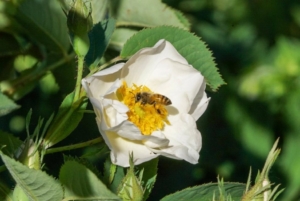
Honeybee on white rose.

This is the time of year when sources of honey and pollen are abundant and you can see the bees busily working in your flowerbeds.

It’s fun just to stand to the side and watch a beehive at this time of year as the bees fly in with full pollen bags and others leave to forage. The bees are not very defensive at this time of year but after the solstice, they start being more protective of honey stores. It’s an easy time for the colony and the beekeeper to enjoy the break from worrying about the colony having enough to eat. Inspections still must continue for the honeybee health,  to be sure that everything is going well with the colony.

The first thing the beekeeper checks for when opening to the colony is the presence of eggs, larvae, newly born bees (these are called nurse bees and their first task is to foster newly hatching bees), stores of pollen and honey and room for the Queen to lay more eggs. If there is no room there are several options, including splitting the hive and leaving the Queen in one hive while allowing the new colony to raise another queen or installing a new queen. Another option is to shift frames around a bit so that there are some empty frames closer to the brood nest. The beekeeper also checks the “pattern”, or density of the capped brood. A good queen will lay in a dense pattern with very few empty cells. “Spotty brood” could indicate a problem varying from a young queen trying to get the hang of brood laying to an older queen in decline.

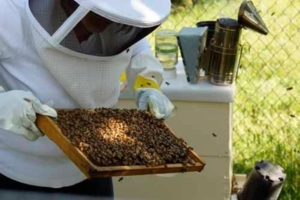
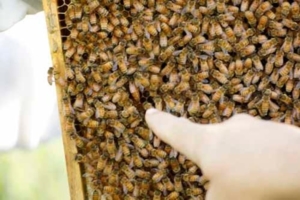
A photo of a beekeeper examining the hive.Another important task is to try and locate the queen. This can be tricky in large colonies of two deep boxes because the queen likes to run away and hide from the light into a deeper part of the colony. She can also be difficult to locate on a frame filled with hundreds of worker bees and drones. Here is a photoPhoto of a finger pointing at the queenbee among all the other bees.
 

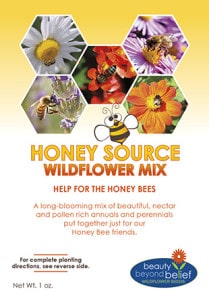
Honey Source Wildflower Mix

Please Pass The Peas

History of Green Peas and Recipes

By Engrid Winslow

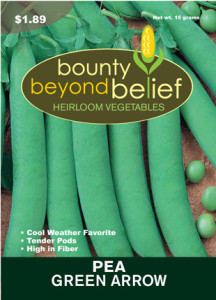
Organic Oregon Sugar Pod Pea Pea, Green Arrow

 “How luscious lies the pea within the pod” – Emily Dickson wrote. I think most of us would agree that fresh peas are a hallmark of early summer produce and have us saying “please pass the peas”. The origin of peas is shrouded in mystery as it is a food plant so ancient that the earliest preserved specimens date from 9750 BCE in Thailand. Peas are legumes and of the family Fabaceae and is the third largest of the flowering plant families.

The ancient Greeks and Romans grew peas and hot pea soup was peddled in the streets of Athens while fried peas were sold to spectators instead of popcorn at the Coliseum in Rome. They were popular in England in the middle ages and there were to primary varieties – one was a field pea to be fed to animals and the other was called the “greene pea” and appeared often at the dinner table. The pea arrived in the Americas with Christopher Columbus and was part of the early colonist’s kitchen gardens.

Green Peas are easy to grow and can be succession planted to extend the harvest, they are delicious additions to salads, soups and eaten alone. The varieties are many, including shelling peas and sweet sugar snaps as well as the snow pea used in Asian cooking. “All the essentials of life,” according to Winston Churchill, are only four: hot baths, cold champagne, old brandy and new peas.

Here are a couple of classic recipes to help you enjoy the bounty of fresh peas and to make your family say “please pass the peas!”


CORNUCOPIA SALAD

Serves 4 as a Vegetarian Main Course


1 bunch torn arugula

1 bunch torn butterhead lettuce

½ lb sugar snap peas, string removed

1 cup cooked black beans

1 cup diced buffalo mozzarella

16-20 halved cherry tomatoes

Kernels from 2 ears of cooked corn

½ cup diced red bell pepper


For Vinaigrette:

2 TBL red wine vinegar                                   1 TBL Dijon mustard

2 TBL balsamic vinegar                                   ½ tsp salt

2 TBL lime juice                                                 ½ tsp freshly ground black pepper

1 TBL lime zest                                                   2 TBL chopped roasted red bell pepper

¼ cup minced red onion                                                6 TBL olive oil

2 TBL chopped fresh basil                             6 TBL canola oil

1 TBL minced fresh parsley                          2 TBL water


ENGLISH PEAS WITH PROSCIUTTO AND POTATOES

Serves 3 or 4


½ lb new potatoes, scrubbed and cut into ½ inch dice

3 oz. chopped prosciutto, pancetta or bacon

2 lbs shelled fresh English peas

½ small onion, finely chopped

1 small handful of fresh mint leaves

Extra virgin olive oil

Salt and freshly ground pepper, to taste


Put potatoes in a medium pot with water to cover by one inch and one tablespoon of salt. Bring to a boil and simmer gently for 10-12 minutes until potatoes are tender. Drain.

Heat a small glug of olive oil in a large skillet over medium heat and add onion and prosciutto and a pinch of salt. Sauté until onion is soft and fragrant and prosciutto has rendered some fat and is turning crisp around the edges, about 5 minutes.

Add the peas and potatoes and season generously with salt and pepper. Add 2 tablespoons of water to help steam cook the peas for another 4-5 minutes until they are tender and the flavors have come together.

Toss in the fresh mint and drizzle with a bit more olive oil and additional salt and pepper to taste. Then pass the peas!


June Garden Chore List

Gardening Tips

By Heather Stone

Here are some June garden chores to keep your veggies and flowers going strong.

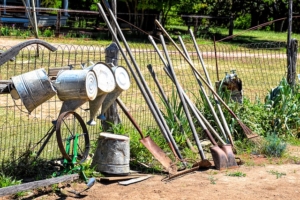
Buckets and gardening tools lined up along a fence.

Photo courtesy of pixabay

  1. Cage or trellis any vining vegetables such as cucumbers, beans and tomatoes. By training these vegetables to grow up you are saving precious garden space and keeping the fruit off of the ground and away from critters. Click here for trellis ideas!


  1. Continue watering your vegetable and perennial beds. Try to keep water close to the roots and off of leaves. Checked potted plants often, they tend to dry out faster.


  1. Keep up with the weeds! This can start to feel like a never-ending battle at this time of year, but keeping the weeds under control means more nutrients, water and sunlight for your vegetables and flowers.


  1. Mulch around vegetables to help conserve water.


  1. Side dress with compost for a mid-season boost.
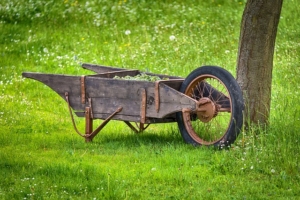
An oldfashioned wooden wheel barrow..

photo courtesy of pixabay

  1. Begin replacing cool season crops that have begun to wind done or have bolted from heat.


  1. Plant successive crops of summer greens like collards, kale, chard and lettuce (Protect them from hot afternoon sun).


  1. Transplant any remaining warm season vegetable starts.


  1. Plant your squash, melon and cucumber seeds if you haven’t already.


  1. Keep an eye out for pests.


  1. Keep your birdbaths full and clean.


  1. Plant a new patch of bush beans every couple of weeks.


  1. Pinch out suckers on your tomatoes.


  1. Keep deadheading perennials for continued bloom.


  1. Sit back, relax and enjoy your garden.

Nasturtiums!

Wildflower Seeds

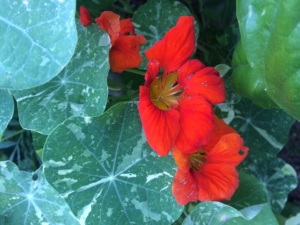
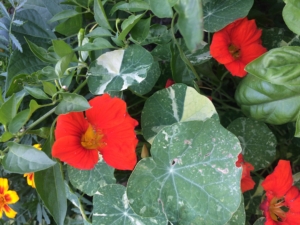
by Heather StonePhoto of red nasturtium blooms.

The bright, rich colors of nasturtium flowers make an impact along the edge of the border, in a pot or climbing a wall or trellis. Their gorgeous rounded leaves, much like a water lily, are a vibrant shade of green with a few varieties having variegated leaves. These easy to grow annuals deserve a place in any garden.


Growing Nasturtiums is easy from seed. Sow directly in the garden starting in late spring after all chances of frost have passed. If you want to get a head start you can plant seeds indoors 3-4 weeks before your last frost date. Plant the seeds ½- 1” deep and about 10” apart. Nasturtium seeds are large and germinate quickly (5-7 days) which makes them a great seed to plant with children. Nasturtiums can be grown in full sun or part shade. They prefer a leaner soil and do not need to be fertilized. Keep them watered during dry spells and remove spent blossoms to encourage prolonged blooming.


Flower colors range from orange to red to yellow, peach and even burgundy. Both the flowers and leaves of the nasturtium plant are edible. The flowers have a peppery flavor and make a bright addition to any salad. They are delicious stuffed with soft cheese or can be used to make an infused vinegar.

Photo of red nasturtium blooms.

Nasturtiums make great edging plants. I especially like to use them along the edges in my vegetable garden where they spill over the sides of my raised beds and attract the bumblebees. They are also great tucked into bare spots in the garden. The climbing varieties can share space with roses and clematis in the perennial garden or beans and cucumbers in the vegetable garden.


Bring these gorgeous and tasty flowers to your garden by planting our Alaska Mix Nasturtium

Cucumber Growing Guide

Tips for Successfully Growing Cucumbers

by Heather Stone

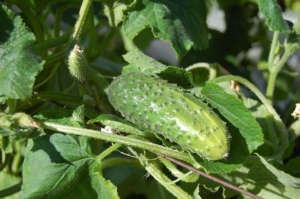
Boston cucumber on the vine. Planting cucumbers.

photo courtesy of pixabay

Once the warm weather hits it’s time to start thinking about planting cucumbers. Nothing beats a fresh cucumber straight from the vine! Cucumbers are fairly easy to grow and are an excellent choice for the new gardener.


Cucumber growing guide:

Cucumbers are very frost tender so don’t plant seed or transplant starts until two weeks after your last frost date or when soil temperatures reach at least 70 degrees Fahrenheit.

Your soil should be well-drained and fertile. Work 1-2” of compost into the top 4-6” of your soil before planting.

Pick an area of your garden that receives at least 6 hours of sunlight. If days regularly reach temperatures of 90 degrees or more provide some afternoon shade.

Plant seeds in groups of 4-6, 1/2” below the soil surface in rows or hills 3’ apart. Most cucumber seeds germinate in 4-7 days. Providing a trellis for the plants to climb frees up garden space and improves airflow around the plants reducing fungal and bacterial diseases. Trellising also keeps the fruits off the ground away from moisture and critters and makes them easier to harvest.

Cucumbers are themselves 95% water so moisture is of key importance when growing cucumbers.  Cucumbers need at least 1” of water a week.  If plants inadequate moisture the fruit will often develop a bitter taste. To help retain moisture and keep the weeds down place mulch around your plants.


Harvesting

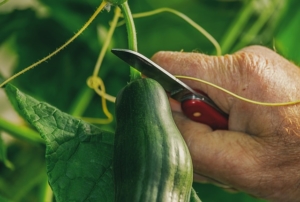
Cutting a cucumber off the vine. Cucumber growing guide.

photo courtesy of pixabay.

Pick cucumbers when they have reached their mature length, depending on the variety, and before they begin to turn yellow. Cut or gently twist the fruit from the vine using two hands so as not to damage the plant. When the weather gets warm, check plants daily for ripe cucumbers. Pick often so plants continue to produce. Pick fruits in the early morning for the best flavor and texture. Cucumbers will keep for 7-14 days in the refrigerator.


Varieties

If you are thinking of planting cucumbers, we carry four varieties of cucumber seeds here at BBB Seed. Each is excellent and deserves a place in the vegetable garden.


Spacemaster 80

Spacemaster 80 is an excellent compact cucumber variety. At only 18-24 inches this short but hardy cucumber is a great choice for the small garden or for growing in a container. The dark green fruits reach 7-9 inches in length, have great flavor and are never bitter. A heavy yielder this cucumber is also resistant to mildew, scab and cucumber mosaic virus.


Boston Pickling

Boston Pickling cucumbers bear small, blocky fruits with firm flesh and tender skin that are ideal for making all types of pickles. This long-standing variety, first available in the 1800s is also great used as a slicing cucumber when allowed to reach full size.


Marketmore 76

Marketmore 76 is one of the finest slicing varieties on the market. A standard for the home garden. These vigorous plants produce 8” dark green, delicious fruits.


Suyo Long

An heirloom variety from northern China, Suyo Long grows to an amazing 10-18” long. They are almost seedless, burp-less and incredibly heat resistant. They are great for slicing and fresh eating.


Bring More Sweet Smells Into Your Life

Find Your Favorite Fragrant Flowers

By Engrid Winslow

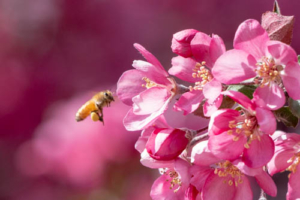
Fragrant flowers such as these crabapple blossoms bring sweet smells into your life.

Photo courtesy of Joe Winslow

Do gardeners love fragrance because they are gardeners or are they gardening because they enjoy fragrance? It’s sort of a “chicken and the egg” concept, but no gardener can deny that growing plants is a sensory experience. Whether it’s brushing against basil or tomatoes while harvesting or inhaling the smell of a rose, those of us who garden seek out sweet (even unusual) smelling plants. If you enjoy the spicy scent of marigolds or the heady aroma of peonies then you surely want to bring fragrant flowers and plants into your life.

Fragrance can bring back memories or promote relaxation. Lavender is the most well-known fragrance added to various products that help us relax and even fall asleep.  The best way to bring fragrant flowers into your garden is to plant them where the fragrance can be enjoyed when you are outdoors. Place them near walkways, front and back doors, benches and under bedroom windows so the smell can be appreciated. Also, consider the seasons when they bloom for year-round enjoyment.

Fragrance in flowers falls into 4 major categories: Floral, Fresh, Spicy and Woodsy are the primary scents. Floral smells are sweetly fragrant and include flowers such as stock, lilies, sweet pea, alyssum, lily of the valley and phlox. If you like spicy then be sure to include marigolds, sage and carnations. Fresh scents include lavender and mint while you can add the woodsy smell with rosemary and thyme.

There are public gardens, that were designed with fragrant flowers in mind and in honor of the blind, that are worth a visit if they are near you. If not, then just notice what you are smelling as you walk your neighborhood and garden centers. Sometimes a smell will surprise you, require investigation and then add to your home garden.

A Trio of Morning Glories to Welcome Spring

The Morning Glory

By Engrid Winslow

Morning Glories are one of the easiest annuals to start from seed. In some areas, they will re-seed from last year’s dropped seed and some varieties may even be perennial in mild climates. After an overnight soak in water, plant the seeds about 1/2 inch deep and then stand back and watch!

Best started in fertile soil with adequate moisture during germination and early growth, morning glories can produce vines up to 15 feet long and will clamber over gazebos, fences and trellises with their twining limbs. Some gardeners even grow them up a downspout and along a roofline or up into the limbs of a tall tree. They can be so vigorous as to choke out other plants nearby and can be vigorous re-seeders which grow best in average soil and full sun.

They are called “morning glory” because they bloom early in the day and the petals deflate and fall off in the evening. The Morning Glory was first cultivated in China for its medicinal uses, due to the laxative properties of its seeds. It was introduced to the Japanese in the 9th century, and they were the first to cultivate it as an ornamental flower. The Japanese have led the world in developing varieties and the colors range from blue and pink to red, purple, lavender, white and even brown. The flowers are attractive to hummingbirds, butterflies, and bees.

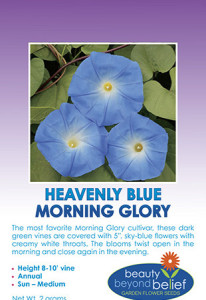
Tag for the Heavenly Blue Morning Glory seed packet.

Here is a trio of Morning Glories:

Heavenly Blue Morning Glory

(also called Clarke’s Heavenly Blue) blooms with 5-inch flowers all summer and is an heirloom variety dating back to the 1920s. It is a lovely blue with a white center. These are one of the most easily recognized and popular of all morning glory varieties and can be up to 12 feet long.  The foliage is an attractive heart shape.

Grandpa Ott’s Morning Glory

bears velvety deep-purple flowers with red stars at their center. This self-sowing annual was originally grown by Grandpa Ott, a Bavarian immigrant, who lived on a 40-acre farm in St. Lucas, Iowa and was preserved by the family in conjunction with the Seed Savers Exchange. This one can climb to 15 feet tall if given support to grow on. Grandpa Ott’s grows very quickly, spreads easily and looks stunning. It will also adapt to part shade.

Tag for the Grandpa Ott's Morning Glory seed packet.

Moonflower

Although also called “morning glory” start to bloom in the late afternoon and close in the morning light. If the day is overcast or cool and cloudy they may stay open for a longer period. Moonflower is fragrant enough to perfume the air within 6 feet of the blossoms and loved by hummingbirds and night moths, including the large Sphinx Moth. The blooms are 5-6 inches across and the vines can grow up to 20 feet. They are native to tropical and subtropical regions of the New World, from northern Argentina north to Mexico and Florida.


Our 5 Most Popular Pollinator Seed Mixes


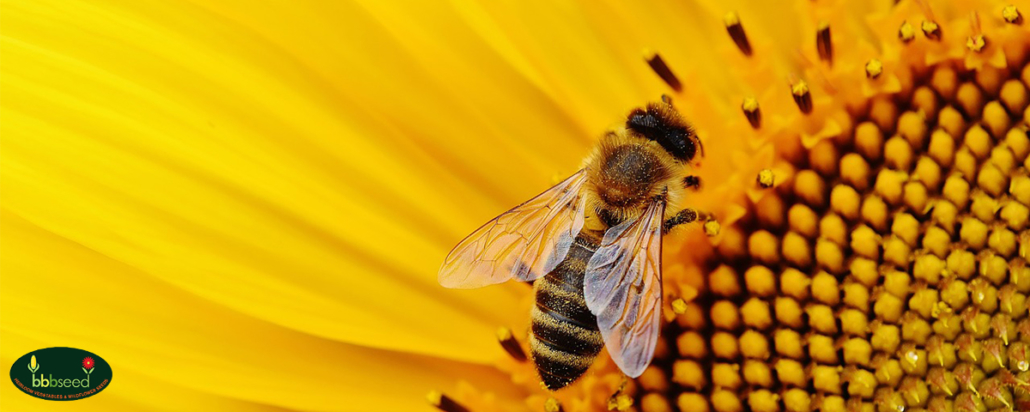
Honey Bee on yellow blossom.

Save the Pollinators

Pollinators are the magic ingredient that makes our natural world work. They fuel lifecycles of entire ecosystems and are found everywhere flowering plants are. Humans are also incredibly dependent on pollinators. Pollinators come in all shapes and sizes. Honeybees, native bees, bumblebees, butterflies, birds, bats, and other wild critters are all incredibly important pollinators!

Unfortunately, we are losing our pollinators at an alarming rate. Insect pollinators are being hit especially hard. Habitat loss, exposure to pesticides, lack of food, and diseases are all leading factors in the decline of these species. We should all be concerned. One-third of our food, from coffee to strawberries, are dependent on pollinators to produce. We need these animals just as much as they need us.

We take our favorite wildflower seeds and blend them into pollinator seed mixes specially formulated to help create habitat and forage for the pollinators in your backyard. We make sure to use fresh, high quality, open-pollinated, GMO-free seeds because you deserve to have a successful, healthy, and fun planting experience. Our mixes are all seed with none of the fillers that you might find in other mixes because we believe you should get what you’re paying for.

Click here if you have any questions about how to select your site, plant, or care for our wildflower mixes!

Here are our 5 most popular pollinator seed mixes:


1.     Monarch Rescue Mix

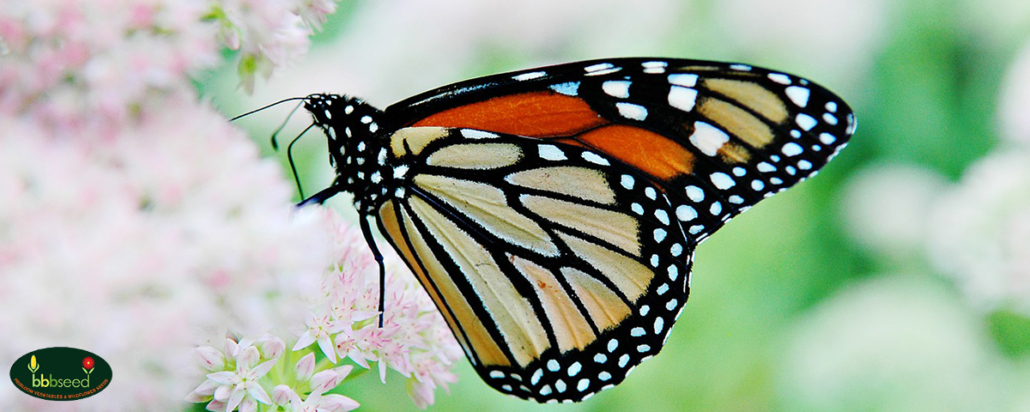
Monarch butterfly on pink blossom.

Monarch Butterflies are some of the most wonderful and strange animals on Earth. Every year, they migrate between the high mountains of Mexico through most of North America. This migration takes four separate generations of butterflies to complete and covers a massive amount of territory. To complete this migration, the Monarchs need plenty of forage and nesting sites along the way.

However, habitat and forage loss has been devastating for the Monarch Butterfly. Milkweed plants are the only plants that Monarch Butterflies will lay their eggs on. These plants have been wiped out of large portions of the United States due to concerns about allergies and their designation as a “weed”. Habitat loss and pesticide use have also reduced the amount of good forage for Monarchs, weakening them too much to complete their journey.

This is why we created our Monarch Rescue Wildflower Mix. This mix of Milkweeds and wildflowers is a Monarch Butterfly booster shot. This mix is full of nutrition and habitat for the butterflies passing through your area. Make your garden a Monarch paradise with this mix.

Find it here.

2.     Bee Rescue Mix

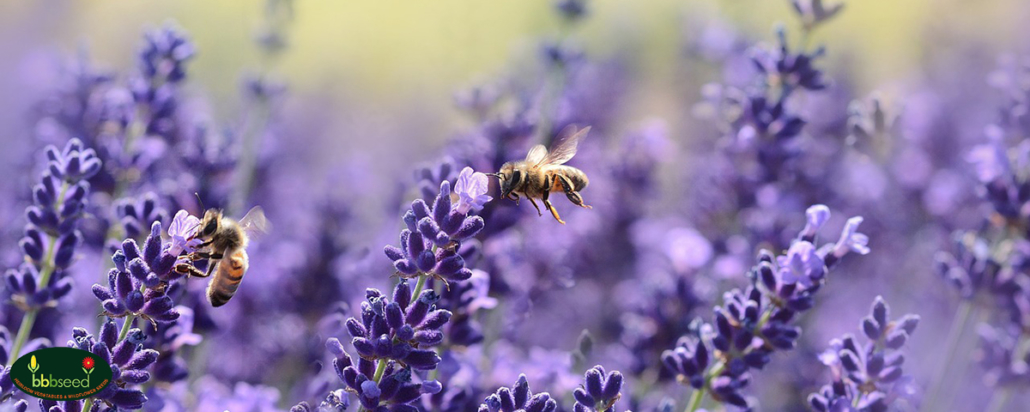
Honey bees on purple lavender blossoms.

Bees have had a rough time of late. The incredible loss of honey bees in recent years has been well documented and reported on. However, the crisis is much deeper than just honey bees. North America has over 4,000 species of native bees. Most native bees are solitary and are extremely effective pollinators. However, these little bees are little understood and are in even more danger than honey bees because they don’t have beekeepers watching out for them!

This colorful combination of wildflowers will provide nectar and pollen for full season support of native and introduced bee species.  Our “Bee Rescue” Wildflower mix has been designed to include the absolute best species to support the health and vitality for a wide range of native pollinators as well and the honey bee. This is one of our best selling pollinator seed mixes! These are the flowers that attract the most pollinators and will do well over the most growing zones.

Get our Bee Rescue Wildflower Mix here!

3.     Bumblebee Bonanza Mix

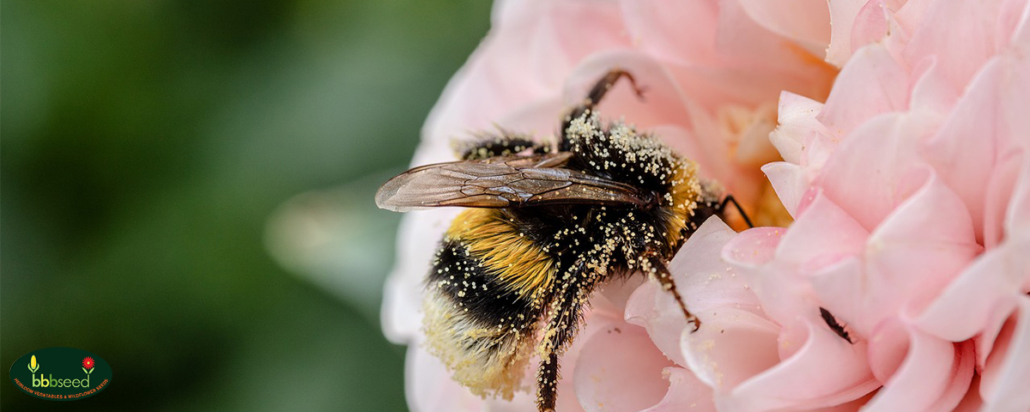
A pollen covered bumblebee on a pink blossom.

Bumblebee Bonanza Mix is a colorful mix that includes specially selected species of nectar and pollen-rich, annual and perennial flowers that are known to attract bumblebees and other pollinators and will provide quality forage from early spring until late fall.

This mixture of annuals and perennials is designed to provide early, mid and late season blooms to support the life cycle of the bumblebee as well as other pollinators. These flower species will do well in a variety of growing conditions and are recommended for a maintained, home-garden planting or commercial landscape.  The best time for planting this mix is in the early spring, early summer and late fall.

Buy the Bumblebee Bonanza Mix Here!

4.     Hummingbird Mix

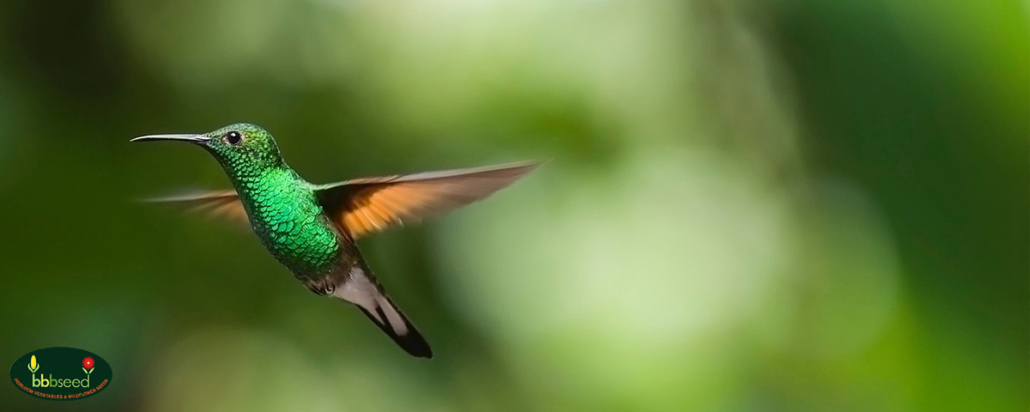
Green hummingbird in flight.

This mix has been created with the vibrantly colored, nectar-rich species that hummingbirds love.  Consisting of mostly perennials, this mix will continue to provide support to hummingbirds and other important pollinators.  A few annuals are included to provide color the first year while the perennials become established and will bloom the second year.

Get it here and start enjoying your hummingbird garden!


5.     Honey Source Mix

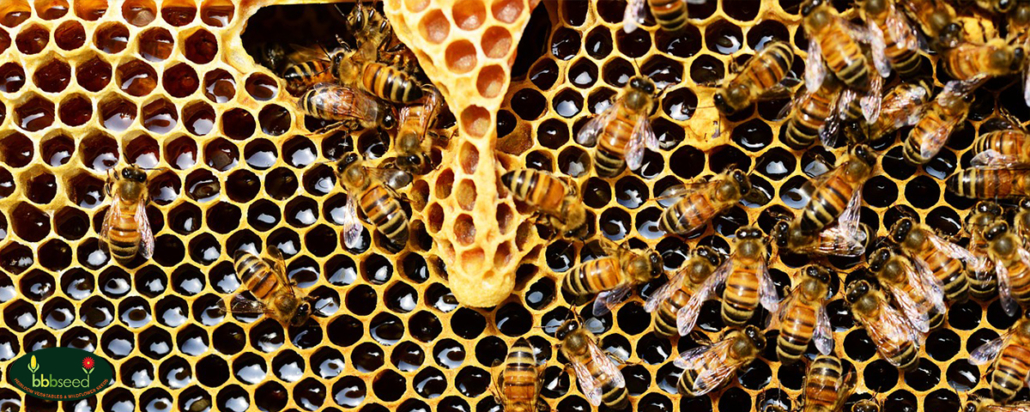
Honey bees on a honeycomb.

A long blooming mix of beautiful, nectar and pollen-rich annuals and perennials put together just for our Honey Bee friends.  Plant this mix to provide vital nutrition for the European Honey Bees.  These hard-working pollinators are necessary for our agricultural production and are a major contributor to our food supply.  Lack of native nectar and pollen sources between crop rotations can cause stress and starvation that contribute to colony collapse.

Our Honey Source Wildflower Mix can be found here!

One Last Thing

At BBB Seed, we are deeply committed to providing the highest quality grass, wildflower, and grass seeds to empower our customers to get out and grow! This list of our 5 most popular pollinator seed mixes is intended to be a useful resource for you to see what products our customers and we are enjoying right now!

We also are incredibly concerned about providing sustainable and environmentally conscious products to you. We source seeds that are non-genetically engineered, tested, and grown sustainably. We hope these products will help you enjoy nature and learn about this wonderful world in the garden. We strongly encourage you to visit our Pollinator Action Page or The Bee Conservancy to learn about the pollinators that make our natural world possible and learn more about what you can do to help them. Thank you!

Grow. Enjoy. Share…the beauty and the bounty!