7 Plants to Keep the Mosquitos Away

Gardening Tips

by Heather Stone
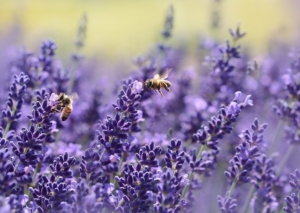
Purple lavender flowers attracting honey bees.

photo courtesy of pixabay


The long, warm days of summer are meant to be enjoyed. Sitting poolside, bar-b-queuing with friends or just relaxing in the garden. But sometimes pesky mosquitoes have a way of taking the fun right out of our outdoor activities. Instead of dousing yourself and your loved ones in chemical bug sprays try planting some of these mosquito repellent plants around your garden and patio to help keep the bugs at bay.


  1. Lemongrass-

    Lemongrass is an ingredient in citronella oil and its strong lemon scent is a proven mosquito repellant. This tropical grass is best grown in pots as an annual or brought indoors during the winter months.

  2. Marigolds-

    The strongly scented flowers of marigolds repel mosquitos, flies and even rabbits. These beauties come in an array of colors that will brighten up any spot. Keep pots of marigolds near seating areas and doorways to deter mosquitos. In the vegetable garden, marigolds repel many of the insects that attack tomato plants.
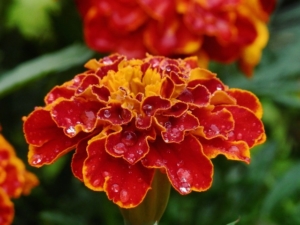
    Bright orange marigold bloom.

    photo courtesy of pixabay

  3. Lavender

    The aromatic, purple flower spikes of lavender not only repel mosquitoes but moths, flies and fleas too. Use the fresh or dried flowers directly on the skin or dry them and hang them indoors to repel moths and flies inside. Don’t forget, the bees love lavender!

  4. Basil

    Who doesn’t enjoy the smell and taste of fresh basil? Mosquitos, it seems. Unlike many of the other mosquito repellant plants, you don’t have to crush the leaves or flowers of basil to receive the mosquito deterring properties.

  5. Catmint-

    Catnip and many other plants in the mint family are excellent at keeping the mosquitos at bay with their strong scent. Ticks and biting flies also avoid catmint. You can rub the leaves and flowers directly on your skin for added protection. Catmints are easy to grow plants that do well in sunny and dry spots in the garden. The lavender-blue flowers bloom all season and attract a wide array of pollinators.
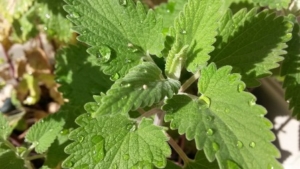
    Fuzzy green catmint leaves.

    photo courtesy of pixabay.

  6. Rosemary-

    Cooking out? Toss a few sprigs of rosemary on the grill and let the aromatic smoke drive the mosquitos away.

  7. Peppermint

    – the strong scent of peppermint deters flies and mosquitos. Keep a few plants in pots on your patio to deter insects and enjoy the fresh leaves in your iced tea.
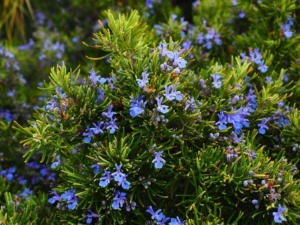
    Blue flowering rosemary plant.

    Photo courtesy of pixabay.

All these mosquito repellent plants deserve a place in your garden or on your patio not just because they deter pesky insects, but for their beauty, fragrance and attractiveness to our pollinator friends.


Here is a simple herbal mosquito repellent recipe you can make at home using essential oils (“eo”).

  • ½ witch hazel
  • ½ cup of water
  • 20 drops Eucalyptus eo
  • 30 drops Citronella eo
  • 10 drops Rosemary eo
  • 20 drops Lavender eo
  • 20 drops Tea tree eo

If you don’t have one of these simply leave it out or substitute with another. A few other essential oils that will work include lemongrass, catnip, clove, mint and geranium.




Our Most Popular Wildflower Seed Mixes May 2019

Wildflower Seeds

What is a wildflower? Well, a wildflower is any flowering plant that has not been altered from its wild state. These plants have had no selective breeding, no genetic modification, and are all natural! These little beauties can be found in nearly any environment; from mountains to prairies, swamps to deserts! Wildflowers provide vital habitats and forage for wildlife, like our favorite butterflies and bees, and beautiful sights and scents for us lucky gardeners.

We take our favorite wildflower seeds and blend them into these mixes specially formulated for unique regions, conditions, and uses. We make sure to use fresh, high quality, open-pollinated, GMO-free seeds because you deserve to have a successful, healthy, and fun planting experience. Our mixes are all seed with none of the fillers that you might find in other mixes because we believe you should get what you’re paying for.

Click here if you have any questions about how to select your site, plant, or care for our wildflower mixes!

Here are our most popular wildflower seed mixes:

1.     All Annuals Wildflower Mix

All Annuals Wildflower Mix

We love Annuals! This mix brings vibrant and long-lasting color to any site. This mix includes great wildflowers including Scarlet Flax, California Poppy, and Desert Bluebells that will add immediately to any drab or “worn out” spots on your property.  This mix also reseeds well, so you can enjoy these annuals year after year!

Find it here.

2.     Wildflowers for Shade Mix

Wildflowers for partial shade.

Not every spot in your garden is going to replicate the open, sunny meadows most wildflowers are adapted to. We understand and think that every inch of your space deserves to be colorful and wild! That’s why we came up with our Wildflowers for Shade Mix! This mix is a blend of annuals and perennials that are tolerant to partial shade. This mix has over twenty annual and perennial seeds to ensure that you get great color and varied blooms for years after you first planted.

Get the Wildflowers for Shade Mix here!

3.     Low-Growing Wildflower Mix

Low growing wildflower mix.

The Low-growing Wildflower Mix is the perfect mix for people who want the wildflowers but not the wild height! While some wildflowers can get up to three feet tall, this mix is designed to grow low and compact (6-12 inches). We really dig (pun intended) how manageable and controlled this mix grows. It includes poppies, clover, and flax for a great mix of color and shapes that will make your garden the talk of the town (in a good way)!

Buy the Low-Growing Wildflower Mix Here!

4.     Fragrant Wildflower Mix

Fragrant wildflower mix.

What’s better than waking up on a cool summer morning, walking outside, and being greeted by the smell of a field of beautiful wildflowers? How about a field of wildflower that you planted yourself! Sounds perfect to us! Our Fragrant Wildflower Mix is one of our personal favorites. We hand selected the flowers this mix of annuals, perennials, native and introduced wildflowers to grow well in many geographical regions and to smell wonderfully aromatic!  Plant this mix around your patio and walkway and be greeted by its wonderful scent every time you stroll by.

Get it here and start smelling the Primroses!


5.     Deer-Resistant Wildflower Mix

Deer Resistant Wildflower Mix

Nothing is more frustrating than toiling in the garden, planting seeds and starts, caring for them, and proudly watching them grow than to come out one morning to see a family of deer happily munching away at your precious plants! We get it. That’s we created the Deer-Resistant Wildflower Mix to include species that deer and elk will usually avoid if another preferred forage is available. This mix includes perennials that will begin blooming during their second year. Now you can enjoy the beautiful deer (and elk) in your area without stressing out about your garden!

The Deer-Resistant Wildflower Mix can be found here.

One Last Thing

At BBB Seed, we are deeply committed to providing the highest quality grass, wildflower, and grass seeds to empower our customers to get out and grow! This list of our Most Popular Wildflower Seeds is intended to be a useful resource for you to see what products our customers and we are enjoying right now!

We also are incredibly concerned about providing sustainable and environmentally conscious products to you. We source seeds that are non-genetically engineered, tested, and grown sustainably. We hope these products will help you enjoy nature and learn about this wonderful world in the garden. We also strongly encourage you to visit our Pollinator Action Page to learn about the pollinators that make our natural world possible and learn more about what you can do to help them. Thank you!

Grow. Enjoy. Share…the beauty and the bounty!

Honey Do’s and Don’ts

Tips for Purchasing Honey

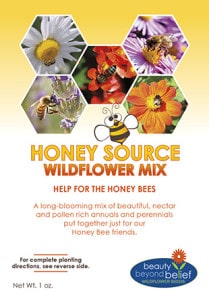
By Engrid WinslowHoney Source Wildflower Mix. Purchasing Honey

In order to produce 1 pound of honey, bees will visit approximately 2 million flowers. An average hive of bees must fly 55,000 miles to produce a pound of honey. One bee colony can produce 40 to 100 pounds of honey per year. The average foraging bee makes about 1/12 teaspoon of honey in its lifetime.

When you consider these facts, it is truly a miracle that honey is so well-known and widely used. The very first origins of keeping bees and honey is not known but there are drawings from early Egypt depicting the practice. Honey was called “The Tears of Re” (Re, also referred to as Ra, was the Egyptian Sun God).

Honey bee colonies tended by a beekeeper often produce more honey than they need to survive during the cold winter months when there are no blooms. A responsible beekeeper harvests only the extra which is produced in a “honey super”. These are smaller boxes on top of the two brood boxes separated from the hive by a “Queen Excluder”. No brood is raised there and the bees fill it up with excess honey.

Buyer beware if you are purchasing honey in large jugs at a steeply discounted price. Imported honey is often only a small percentage of honey and a large portion of it is actually sugar syrup. Buy from a local beekeeper, if at all possible. If you don’t know one, check out Farmer’s Markets, fruit stands, small locally owned grocery stores or cheese shops. You can also look for a local beekeepers association and contact them.

Always purchase unrefined honey which has not been heated over 100 degrees and is filtered through a fine-mesh strainer. All honey will crystallize over time, some much sooner than others. How you treat the crystalized honey is up to you, but to retain the beneficial properties, warming the container in hot water is the best way to go. Creamed honey is honey that has been pre-crystalized using a starter with controlled, very-fine crystals. Most beekeepers who produce honey to sell are familiar with how to produce creamed honey.

Honey has been used for centuries as a throat-soother for coughs and colds and to treat topical injuries, particularly burns and scrapes. It has also been used to treat animals suffering from “road rash” and in patients with foot problems caused by diabetes or those who suffer from ulcers. There is also strong evidence that honey taken at bedtime regulates blood sugar and causes more restful sleep.

Many believe (yours truly included), although there is no medical evidence, that a spoonful of unrefined honey daily will cure, or at least minimize seasonal allergy symptoms. The more local the honey is, the better because the honey contains small amounts of pollen from your particular area. Honey from Boston may not be as beneficial for someone who lives in Los Angeles.

Bees generally forage in a 2-mile radius but may go up to 5 miles to reach pollen and nectar sources. You can help your local honeybee population by not using pesticides and by planting flowers for pollinators such as our Honey Source or Bee Rescue mixes.

Most honey produced by a local beekeeper will be wildflower honey, meaning a mixture of whatever is in bloom.  Varietal honeys such as orange blossom or lavender require that many acres of those crops must be grown near the beehives and the honey supers pulled off the hives when the bloom season is over.

It is a lot of fun to try purchasing honey of varietal kinds of honey and notice their smells and flavors. The honey from my hives tastes different every year but is always delicious. Last year I noticed an apple flavor in it which makes sense because I live in an area with many apple and crabapples nearby.

If you want to know more about honey, check out these past blog posts: www.bbbseed.com/april-happenings-in-the-honeybee-hive/, www.bbbseed.com/whats-happening-in-the-honeybee-hive-as-winter-starts-to-close-in, www.bbbseed.com/20532-2/, and www.bbbseed.com/product/honey-source-mix/


Okra Is Not As Yucky As Some Might Think

History of Okra and Okra Recipes

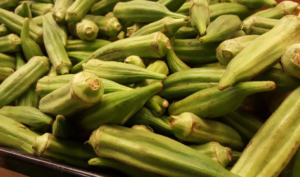
By Engrid WinslowA pile of green Okra pods.

If you grew up in the South, as I did, you loved okra as an essential ingredient in gumbo. If you didn’t then you might think it is “slimy” but okay if coated in batter and deep-fried. Well, you have been treating this amazing vegetable all wrong. First of all, the plants are really pretty and the flowers are fabulous, looking a lot like a hibiscus bloom, and can be grown as a 3-4 foot tall annual flower.  Try our Clemson Spineless Okra Recipes!

Okra probably originated somewhere around Ethiopia and was cultivated by the ancient Egyptians around the 12th century B.C. Its cultivation spread throughout North Africa, Arabia and the Middle East. The seed pods were eaten cooked, and the seeds were toasted and ground and used as a coffee substitute.

The plant spread around the shores of the Mediterranean Sea and eastward and was introduced to the Americas by ships plying the Atlantic slave trade in the mid-1600s when its presence was recorded in Brazil. It was further documented in Suriname in 1686. Okra may have been introduced to southeastern North America from Africa in the early 18th century. By 1748, it was being grown as far north as Philadelphia. Thomas Jefferson noted it was well established in Virginia by 1781.

It’s best to grow okra yourself if you can (or purchase them directly from a farmer) to ensure that the pods are fresh, tender and not overly large. Okra pods are best when harvested at 1-2 inches. Any larger than that and they are fibrous and not so tasty. The plants are easy to grow in most climates as long as they are planted after the danger of frost is past. They are prolific, grow quickly, and several plants can produce a handful or two of the pods nearly every day.

Store them in the vegetable bin of your refrigerator for up to 4 days until you have enough to prepare one of these great okra recipes. Okra is especially adept at soaking up surrounding flavors, making great for Indian and Asian dishes. Give okra a second chance and you might just be surprised.

One of the best ways to cook okra is to toss the pods with a little olive oil, salt and pepper and spread on a rimmed baking sheet. Roast at 400 degrees for 12- 15 minutes, shaking pan half-way through until the pods are lightly browned on the edges.

Pan-Fried Clemson Spineless Okra with Indian Spices

(Serves 4 as a side dish)

25-30 medium-sized okra pods, sliced                     5 TBL butter

¼ tsp ground ginger                                                        ¼ tsp cumin

¼ tsp ground coriander                                                 salt and pepper to taste

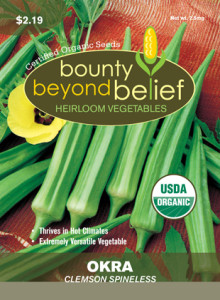
Melt the butter in a skillet, Add okra and spices and sauté until okra is soft, 15-20 minutes. Season with salt and pepper before serving.Organic Clemson Spineless Okra


Picadilly Clemson Spineless Okra

 (Serves 4-6 as a side dish)

2 Qt. fresh okra, chopped                                            1 medium onion, chopped

1 red bell pepper, chopped                                         1 1 lb. can of crushed or chopped tomatoes

¼ tsp sugar                                                                         ¼ tsp olive oil

Salt and black pepper to taste

Sauté the onion and bell pepper in the olive oil for 4-5 minutes on medium heat, stirring frequently until softened. Add the tomatoes, okra, sugar, salt and pepper and cook, covered, over low heat for 45 minutes. Stir occasionally. Check and correct seasoning before serving. May be frozen.

What is your favorite tomato?

Heirloom Vegetable Seeds

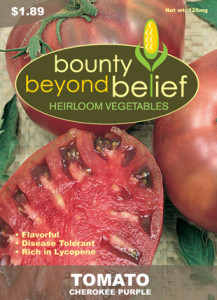
by Heather StoneTomato, Cherokee Purple

What’s your favorite tomato? All true tomato lovers and growers have a few tomato varieties that they just couldn’t imagine not growing and always recommend to their friends and fellow gardeners. One popular heirloom tomato variety that continues to be a favorite among many and consistently wins taste tests across the country is the Cherokee Purple tomato.

Cherokee Purple tomato is a beefsteak style tomato whose skin is a dusky rose-red color. When sliced its interior is an even darker red. The flavor is described as a “balance of sweet, acid and savory with a hint of smoke.” Cherokee Purple is best eaten fresh on sandwiches or in salads.

With a name like “Cherokee Purple,” there has to be a story there somewhere. Craig LeHoullier, a grower of heirloom tomatoes, connoisseur and author of the book Epic Tomatoes is who we can thank for bringing this delicious tomato to the masses. In 1990, Craig received a package from John D. Green of Sevierville, Tennessee containing seeds of an unnamed purple tomato.

John explained that his neighbor had shared the seeds with him and that her family had been passing along the seeds since the late 1800s when they were originally received from Cherokee Native Americans. Craig grew the seeds in his 1991 garden and gave this beauty the name Cherokee Purple. Next, Craig passed the seeds on to the folks at Southern Exposure Seed Exchange. They loved the taste of this tomato and first listed the seed in their catalog in 1993 and its popularity has continued to grow since.

Want to try this delicious variety in your garden this year? Grab some Cherokee Purple seeds today, they might just become your new favorite tomato!

Why Are Native Plants Important?

Wildflower Seeds

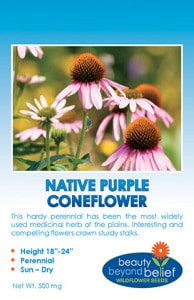
by Engrid WinslowNative Purple Coneflower seed packet.

Honey bees are not native to the United States but were imported in the 1600s by colonists from Europe. Already here when honey bees arrived were 50 species of bumblebees and over 4,400 species of native bees. Bumblebees are especially efficient at buzz pollination. (Check out this blog for more information on bumblebees: www.bbbseed.com/its-bumblebee-bonanza-time). Native bees specialize in pollinating native species of plants – including food – while honey bees are best described as generalists. . Native bees do not have pollen bags on their legs but are often covered with a lot of bushy hairs on their bodies which gather and distribute pollen in the most excellent way. Also, native bees (bumblebees are the exception) live only about 6 weeks and their lives coincide with the bloom time of certain plants that they are specialists in pollinating. They are extremely docile and non-aggressive with some of them having a stinger that doesn’t even penetrate the skin.  Their sting also contains a different type of toxin which will not cause anaphylaxis in people who are allergic to honey bee stings.

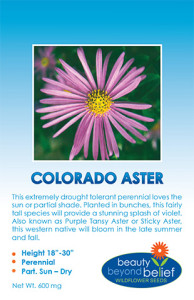
The label for the Colorado Tansy Aster seed packet. Native plants.

Alkali bees are essential for pollinating alfalfa. Alfalfa is a member of the pea family and the flowers have a lower lip which will snap closed and whack honeybees on the butt but Alkali bees have figured out how to get in and out of the flowers quickly and efficiently. Sunflower bees hatch late in the season to coincide with the bloom of sunflowers as do Long Horned bees which love asters as well as sunflowers. Mason bees are also commonly referred to as ‘orchard bees’ because they are so good at pollinating apples and stone fruits such as cherries. Sunflower bees hatch late in the season to coincide with the bloom of sunflowers as do Long Horned bees which love asters as well as sunflowers.  The tiny Mining bees which nest in bare spots in lawns are the first to wake up and pollinate maples and willows which bloom in spring.


Wild Sunflower. Native plants


How do you know if a plant is a native? Well, if it’s a color (like bluish hybrid tea roses) or shape (lots of petals on the rose) that is unusual it is most likely a hybrid. Look for old-thyme classics like native roses (rosa woodsii or rosa glauca https://en.wikipedia.org/wiki/Rosa_woodsii) to support the natives in your garden.

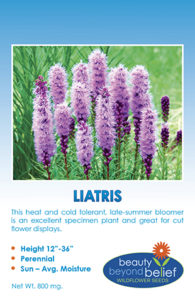
Also remember to plant such natives as liatris, asters, sunflowers, penstemons, rabbitbrush and native bee plant. Anything with tubular flowers is always a good choice for the native bees and many of them bloom in should seasons when nothing else is available.


Liatris tag with photo of tall spikes of pink flowers. Native plants

Don’t Pass On Peas

Tips for Successfully Growing Peas

by Heather Stone

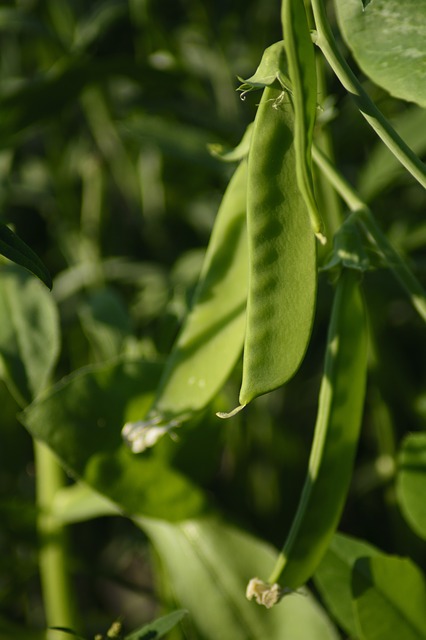
Green Sugar Snap peas on the vine.

Image by Reginal from Pixabay

Plant Green Peas for one of the first crops in the spring. As soon as you can stick your finger into the soil you can plant peas. Whether you plant shelling, snap or snow peas this early crop loves the cool weather of spring, producing tender pods that are hard to resist.  More often than not, they are eaten straight off the vine right there in the garden, very few making it to the kitchen. Every year I always wish I would have planted more.

Planting green peas should happen as soon as the soil can be worked, about 4-6 weeks before your average last frost date. For best germination, soil temperatures should be around 50 degrees F. Do be cautious of excess moisture. You don’t want your seeds sitting in wet soil.

Before planting, soak your seeds overnight. This will help speed germination. Plant seeds about 1” deep and 2-3” apart in well-loosened soil in a sunny spot in your garden. Peas will also do well in part shade. Give your peas a trellis, as most peas need something to climb on. Keep the area moist until the seeds germinate, on average between 7-14 days.

Green Peas are an easy crop to grow. Keep the plants moist, especially once they start producing. When they reach 8-12” tall mulch your vines well to keep the soil cool and help retain moisture. Peas grow best in temperatures below 70 degrees F, so plant your seeds early. Once temperatures reach 80 degrees the vines tend to stop producing.  

When the peas begin to ripen, harvest daily and be sure to use two hands to pick. Use one hand to hold the vine and the other to pick the peas. This way you will avoid damaging the tender vines. For the crispiest peas, pick in the morning after the dew has dried. Peas will last about 5 days in the refrigerator (if they make it there) and any extra freeze well.

Like all legumes, peas fix nitrogen in the soil that other plants can use. When your peas are done for the season, remove the vines but leave the roots in the ground. Plant a nitrogen-loving plant in the area that can benefit from the extra nitrogen in the soil.

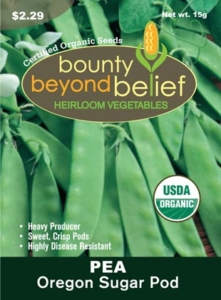
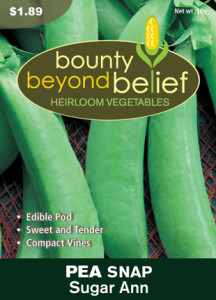
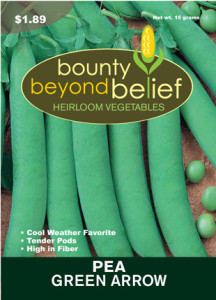
Don’t wait! Get out in the garden and plant some peas today! Try one of our tried and true varieties such as Sugar Ann, Oregon Sugar Pod or Green Arrow.

Packet of Oregon Sugar Pod Pea seeds. Pea, Sugar Ann Pea, Green Arrow


April Happenings in the Honeybee Hive

Tips for Pollinators

By Engrid Winslow

Image of a queen bee in a hive.

Image by Matthew Greger from Pixabay


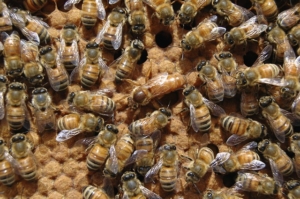
Beginning in March, as the days lengthen and temperatures begin to warm (at least some of the time!) the bees are starting to raise brood again. April means the delivery of packages and nucs and towards the end of the month established overwintered honeybee hive begins to think of swarming. This is a very busy time for beekeepers and bees. With the vagaries of winter, some early pollen sources may not materialize and all good stewards of the bees will put sugar water and pollen patties in their hives. Pollen is critical in raising healthy brood and March is the time when the colonies are running out of the nectar and pollen they stored in the fall for surviving all winter. Losing a honeybee hive in the early spring can be caused by starvation although all factors such as mite loads, insecticidal poisoning and other issues should also be considered and evaluated.

As spring creeps ever closer, the most abundant sources of pollen and nectar are available during this time. Brood rearing continues in earnest and beekeepers must watch carefully for signs of swarming. Many beekeepers are eager to add to their hives by capturing swarms and add their names to lists with local and state beekeepers associations. (The swarm hotline number in Colorado if you spot a swarm is 1-844-spy- bees, 1-844-779-2337). Classic signs of swarming include large numbers of bees “bearding” or gathering on the outside of the hive. It’s getting crowded in the hive.

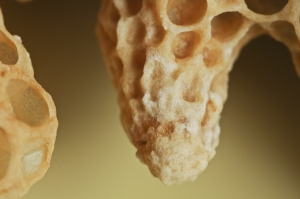
A cell holding the larva of a queen bee. Honeybee hive in winter.

Image by Franz Schmid from Pixabay

Inside a honeybee hive that is beginning to swarm a new Queen is being raised. Queen larvae form in a peanut-shaped cell that is much larger than the cell used to raise worker bees and drones.  They are usually on the bottom or sticking off the side of a frame. Once the Queen cells form, the bees are already committed to swarming and half of the colony (mostly newly hatched workers who can help the most with producing wax for the honeycomb at the new location) will leave with the older Queen. The new queen is left behind but must leave the hive to fly into the “drone zone” for mating, return to the hive and begin laying eggs. Beekeepers can prevent swarming by “splitting” their hives. This involves removing a few frames with capped brood and plenty of “nurse bees” to take care of the newly hatched brood into a new hive body. Some of the honey stores and pollen should also be placed in the new hive. Some beekeepers move a capped queen cell with a larva inside to the new hive and others purchase a mated queen from a beekeeper in the queen-rearing business.

For more information about swarming check out these past blogs: www.bbbseed.com/honey-bee-swarms/ and www.bbbseed.com/19613-2/.

Go Beyond Iceberg Lettuce

Different Types of Lettuce and How to Use Them

By Engrid Winslow

There are many different types of lettuce and perhaps you were wondering how to use these various types. Here’s a general description of some different lettuce varieties which will take you beyond the traditional iceberg lettuce followed by a quick tutorial on growing them.

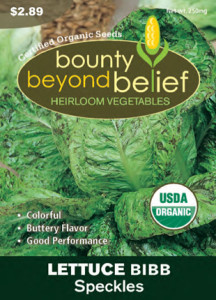
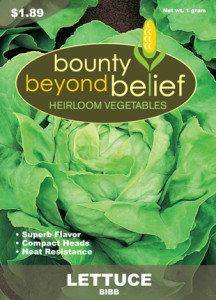
Lettuce, Organic Bibb, Speckles Lettuce, Summer Bibb

  • Butterhead

    /Buttercrunch/Bibb/Boston – Any of the “B” lettuces form loose heads of large, softly ruffled leaves that range in color from bright yellow-green to magenta-tipped emerald. They have a slight crunch when you bite in, followed by a melt-in-your-mouth silkiness. The leaves are buttery and slightly sweet. They are perfect for use in sandwiches or salads and the largest outer leaves are great as a wrap for various fillings because of their pliability.


  • Romaine

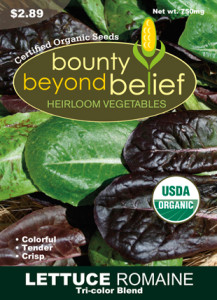
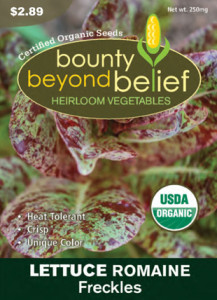
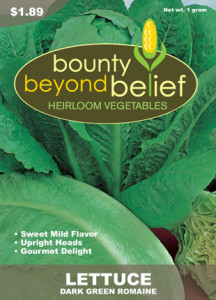
    forms a long, straight head of crisp leaves with a prominent center stem. They come in the familiar crisp, tall, green heads to shorter and fluffier versions that range from dark red to lime green with red speckles. They can be harvested when young for a tender and delicate salad. They have a mild crunch from the center stem when mature and are the classic lettuce for a traditional Caesar salad since it’s a perfect contrast to the creamy, cheesy dressing. It can also be used as a scoop for dips and holds up on a burger.

Picture of the Tri-color Romaine lettuce package. Lettuce, Organic Romaine, Freckles Lettuce, Dark Green Romaine


  • Oakleaf

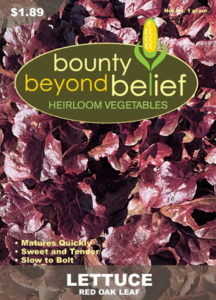
    lettuce has unusually shaped leaves that form a loose cluster with tender, crunchy stems. The flavors can range from sweet when young to slightly bitter if left longer to mature. They come in gorgeous colors of green but the dark red is a version high in anthocyanin

with a powerful punch of antioxidants. They are great in salads and when mixed with other lettuce types or on a sandwich.


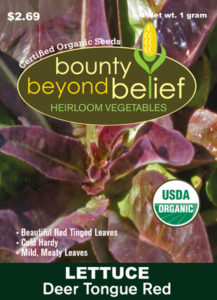
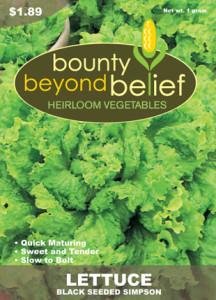
  • With loose bunches of leaves connected at the base, the loose-leaf lettuces are known as bunching or cutting lettuces. They are typically mild, savory to sweet and crisp-tender. They are generally more heat-tolerant and some, such as Black Seeded Simpson, are slower to bolt than other types of lettuces.

Front of the Red Deer Tongue Lettuce seed packet.

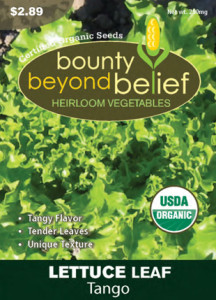
Lettuce, Organic Leaf, Tango


Lettuce, Black Seeded Simpson


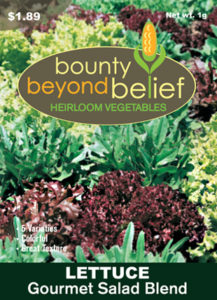
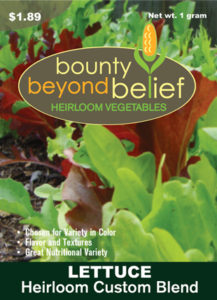
One of the best ways to use these lettuces is to combine them with other greens, such as arugula or baby kale in a salad and, lucky you, we have two blends that will do that for you.
Picture of a packet of Gourmet Salad Lettuce seeds.Picture of a packet of Heirloom Lettuce Blend seeds.

All lettuce varieties are very easily started from seed, both indoors and out in your vegetable beds. They take about one week to germinate, depending on temperatures. If starting indoors, be sure the seeds stay moist by spraying them gently from a spray bottle or bottom-watering until they germinate and the seedlings are strong enough to handle overhead watering. A plastic dome over the tray really helps with this.

The seeds are tiny and should be planted with a very light (no more than ¼ inch) layer of soil.  If planted outdoors in cooler temperatures and cold soil they may take longer to germinate. Thin the seedlings to 3 inches apart and pull every other one for early salads leaving the rest (now 6” apart) to reach full size. Successive sowings every 3 weeks in short rows provide these tasty plants throughout the season. All lettuces will bolt and then become bitter in the heat and long days of summer, but you can delay this by mulching to keep the soil cool.

So go beyond iceberg lettuce and let us know how you like these other varieties!

Three Ways to Compost that Will Fit Your Lifestyle

Composting Basics

by Sam Doll

Composting seems like ‘all the rage’ right now! Taking some of your food and paper waste out of the landfill is a great way to reduce your waste, take care of the environment, and create an excellent supplement for your (or a lucky neighbor’s) garden! We’ll show you three ways to compost that will work with your lifestyle.


No matter where or how you are composting, there are some basic guidelines to be aware of.

First off, if you are composting at home, you want to avoid any animal products like meat and dairy (eggshells are fine). These products can create unwanted odors and attract pests like raccoons!

You also want to be aware of how much brown and green material that is going into your compost. Brown material is any dry, carbon-rich material. This includes shredded paper, dried leaves, or old plant material. Green material is nitrogen-rich material like food scraps, eggshells, grass clippings, and coffee grounds.

When composting you want to include equal amounts of brown and green materials. If you are using an outdoor composting system, you’ll want to alternate layering brown and green materials, usually starting with brown.

Finally, you can’t let the compost just sit. Mix it and water it to keep the microbes happy and healthy. Mixing it incorporates oxygen and watering cools the pile and prevents it from drying out.

Indoors

You may have been reading this and thinking, “I have an apartment, I can’t compost!”. Composting inside can be difficult, but it’s not impossible!

The simplest solution is to find a neighbor, community garden, or farmer who would love to add your food scraps to their compost pile. Just store your scraps in a plastic bin with a lid and run over to the pile every few days.

If you don’t have a friend with a compost pile, you can still do it yourself. Many people have found great success in vermiculture, or “worm farming”! Vermiculture is a quick, odorless composting method that is great for those without access to a yard.

Check out this guide for various vermiculture methods and tips!

In-Vessel Composting

Have a little outdoor space, but don’t want to devote half your yard to composting? There are specialized composting bins that can handle all your household waste, speed up the composting time, and stay out of sight.

One of the fastest methods of the three ways to compost is to use a tumbler. Tumblers are plastic drums that can be rotated to mix the compost easily without getting your hands dirty. They are contained and inconspicuous. We recommend double-chambered rotating compost bins like this, which can turn scraps to finished compost in as little as two weeks.

There are also plastic compost bins. These bins are open at the top and bottom. You usually add fresh material to the top and wait for finished compost to be scooped out of the bottom. These bins require little work, just the occasional watering, but can take a while longer than the rotating drum. We recommend this classic Soil Saver from All Green.

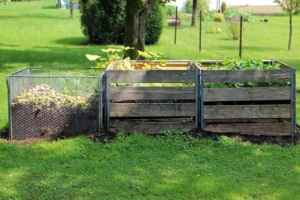
These composters are great and beginner-friendly, but they have limited capacity. They can handle an average household’s compost, at most, and that doesn’t include yard waste like grass clippings. If you want something that can handle a larger amount of compost, you’ll have to pursue more traditional methods.