Celebrating the Winter Solstice


Photo of a snowy winter sunset.

photo courtesy of Pixabay – AlainAudet

by Heather Stone

Midwinter is approaching. If you live in the north the days have been getting shorter, the nights longer, the temperatures colder and the landscape perhaps covered in snow. The winter solstice- (‘solstice’ means ‘standing still of the sun’) also known as Midwinter or Yule, marks the shortest period of daylight and the longest night of the year. This year the solstice falls on Friday, December 21st at 3:23 pm Mountain time.


For people throughout the ages midwinter has been an important time of ritual, reflection, and renewal; something I’m sure many of us could use more of in our lives. As our everyday living has moved more indoors we have lost touch with many of nature’s cycles. So why not take some time this solstice to rest, reflect and celebrate nature and the return of the light.

Photo of a burning tealight candle.

Photo courtesy of Pixabay – pexels

Here’s a list of a few ways that you can mark this day:

  1. Visit a place outdoors that’s special to you. Maybe that’s your regular hiking trail, a spot in your garden or your favorite place to watch the sunset.
  2. Light a candle to welcome back the sun. Or take it one step further and spend the evening lit only by candlelight.
  3. Watch the sunrise or sunset.
  4. Share food with friends and family to celebrate the return of the sun.
  5. Create an altar with objects gathered on a walk through nature.
  6. Take time to be silent.
  7. Burn a Yule log (traditionally this log is oak). Burn your Yule log and keep a piece to kindle the Yule log the following year.
  8. If you’re feeling creative, write a poem, paint of picture or sing a song to celebrate winter and/or the return of the sun.


“Again we come”

Again we come
to the resurrection
of bloodroot from the dark,

a hand that reaches up
out of the ground,
holding a lamp.

–Wendell Berry

MAKE YOUR OWN SUET BALLS FOR BIRDS

Suet Ball Recipe

By Engrid Winslow

During the long cold winter months, fat is extremely important for many birds to survive. The species that especially love suet are woodpeckers and flickers, chickadees, wrens, goldfinches, juncos, cardinals, robins, jays, blackbirds and starlings. Be aware that raccoons, squirrels and mice are also attracted to suet balls so be prepared to use baffles or place mesh over the balls to deter them.

Suet is raw fat and has also been used to make candles and Christmas pudding. You can get it from your butcher and ask him to grind it for you. Then it needs to be melted and strained to remove any solids. If you want to avoid the “ick” factor, you can substitute l cup lard or shortening. The birds will eat it plain but many recipes call for adding seeds, dried fruit or even insects to the mix. Many pet food and birding stores sell pre-made suet cakes but it is so much more fun to make your own in various shapes and hang them outside. If you are getting only starlings, hang the balls with a mesh around all sides but the bottoms. This will make it possible for all of the woodpeckers to hang upside down and eat while the starlings are baffled and confused. Place them near where you already have feeders with plain birdseed and watch the fluttery show!

Here are some methods and recipes for making the suet cakes or balls:

1 cup crunchy peanut butter

1 cup lard

2 cups quick cook oats

2 cups cornmeal

1 cup flour

1/3 cup sugar

Melt the peanut butter and lard and add remaining ingredients and cool.

——————————————-

1 cup crunchy peanut butter

1cup shortening

1 cup flower

3 cups cornmeal

1 cup cracked corn

1 cup black oil sunflower seeds or mixed seeds

Melt the peanut butter and shortening, add remaining ingredients and cool.

————————————————

4 1/2 cups ground fresh suet

3/4 cup dried and finely ground bakery goods such as Whole-wheat or cracked-wheat bread or crackers

1/2 cup shelled sunflower seeds

1/4 cup millet

1/4 cup dried and chopped fruit such as cranberries, currants, raisins, or other berries

  1. Melt suet in a saucepan over low heat.
  2. Mix the rest of the ingredients together in a large bowl.
  3. Allow the suet to cool until slightly thickened, then strain and stir into the mixture in the bowl. Mix thoroughly.
  4. Pour or pack into forms or suet feeders or pack into pine cones.

———————————————————

1/2 lb. fresh ground suet

1/3 cup sunflower seed

2/3 cup wild bird seed mix

1/8 cup chopped peanuts

1/4 cup raisins

  1. Melt suet in a saucepan over low heat. Allow it to cool thoroughly, then reheat it.
  2. Mix the rest of the ingredients together in a large bowl.
  3. Allow the suet to cool until slightly thickened, then stir it into the mixture in the bowl. Mix thoroughly.
  4. Pour into pie pan or form, or pack into suet feeders.

Optional or substitute ingredients: millet (or other birdseed), cornmeal, cooked noodles, chopped berries, dried fruit.

BBB Seed’s Wildflowers to Attract Butterflies and Birds

Wildflower Seeds

by Heather Stone

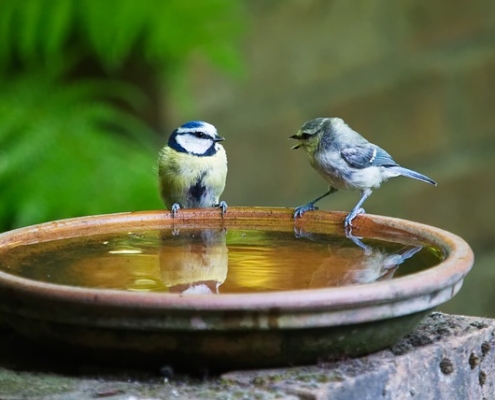
Photo of two birds on a birdbath.

Photo courtesy of pixabay

It brings great pleasure to see more birds and butterflies about the garden and we as gardeners can do a lot to attract and protect the birds and butterflies that visit our garden. These critters simply need a safe place to live and healthy food to eat.

Wildflowers to attract butterfly and birds seed packet.

Butterflies

For butterflies, providing food (host plants) for caterpillars, nectar sources for adult butterflies and a safe place to overwinter can all be accomplished in a small area. Caterpillars of some species of butterflies have very specific larval host plants, while some will eat a wide range of species. Nectar is the primary food source for most adult butterflies. Planting nectar-rich plants in the garden is sure to attract more butterflies. Depending on the species, butterflies overwinter in all stages of life from egg to adult. Some places they overwinter include leaf litter, the bases of bunch grasses, rock piles, brush or wood piles, behind loose tree bark and near their host plants.


Birds

Just like butterflies birds need healthy food to eat and shelter. Start by planting native plants in your garden that provide seeds, berries, nuts and nectar. Shrubs and trees, especially evergreen species, provide excellent shelter and nesting sites for birds. Birds also need a year-round water source such as a bird bath. Providing nesting boxes and offering food in feeders will attract even more birds.

Photo of an orange and yellow butterfly on a marigold bloom.

Photo courtesy of pixabay.

Try planting our Birds and Butterflies mix to attract more birds and butterflies to your landscape. The mixture of annuals, perennials, introduced and native wildflowers is designed to attract butterflies over a long season of bloom from spring until fall and a variety of birds to the seeds come autumn.


Sources:  Gardening for Butterflies, The Xerces Society

https://www.nwf.org/sitecore/content/Home/Garden-for-Wildlife/Wildlife/Attracting-Birds

7 Stocking Stuffers Under $25 for Gardeners

Gifts for Gardners

by Sam Doll

Here are 7 must-have tools to keep in mind if you are looking for great gardening gifts for your favorite gardener.

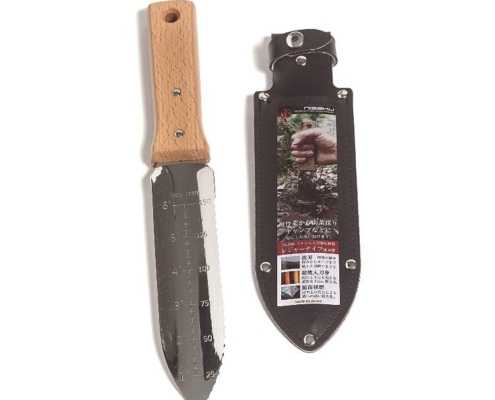
–Nisaku Japanese Hori Hori Garden Knife for 24.95 on amazon.com

Photo of a garden knife and sheath to give as a garden gift.

photo courtesy of Nisaku


These compact garden tools feature serrated and straight edges that are perfect for a variety of garden needs, including cutting back weeds at the root. They also feature handy measuring marks, so you know the exact depth when planting and sowing. Get this handy little tool for the gardener who can appreciate a tool that can get the job done!


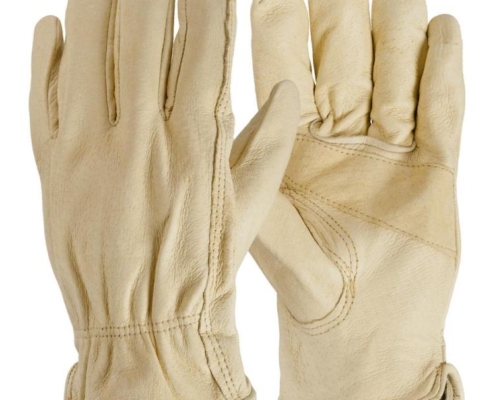
Photo of tan leather gardening gloves.

Photo courtesy of Home Depot

–Leather Gardening Gloves for $10.98 at homedepot.com


Upgrade your favorite gardener’s glove game with some stylish and comfortable leather gloves. The more your green thumb works in these, the better they’ll fit! These pigskin gloves from Home Depot will last for years.


–Wildflower Seed Mixes from $5.79 at bbbseed.com

The front of the Monarch Rescue seed mix.

Wildflower mixes can provide season-long color and important forage for bees and butterflies. BBB Seed has a variety of regional and specialty wildflower seed mixes that will make any gardener, novice or expert, smile all season long!


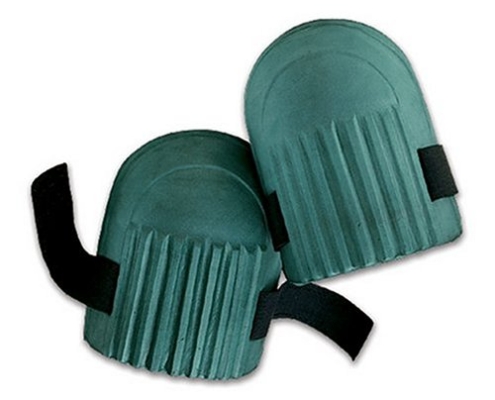
–Gardening Knee Pads for $8.49 at amazon.com

Photo of green strap-on gardeners knee pads.

Photo courtesy of Fiskar’s


Save your friends knees with these waterproof and forgiving knee pads. These knee pads are designed specifically for getting your hands dirty in the backyard.


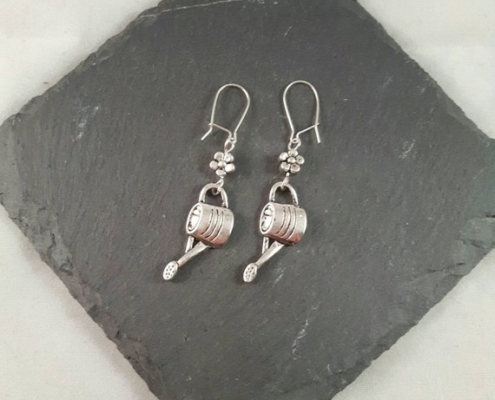
–Garden-Themed Jewelry from Etsy

Silver watering can earrings.

Photo courtesy of Glitterartijewellry.


A little costume jewelry can show a personal touch for someone you care about! We love how many cute, garden themed charms, pendants and earrings you can find on Etsy.


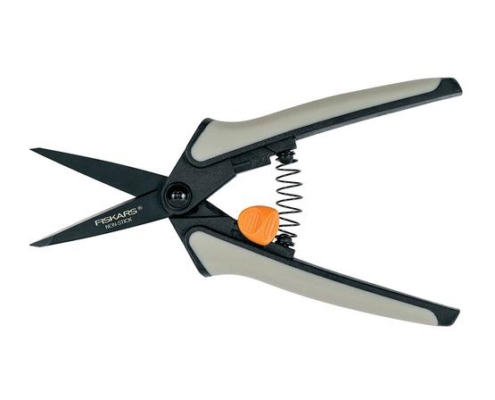
–Garden Snips from $11.99 at Fiskars

Photo of gardener's snips.

Photo Courtesy of Fiskar’s

You can always use new snips. Especially nice ones from Fiskars.


–A BBB Seed Gift Card

Gift Card from BBB Seed.


Still don’t know what to get someone? Don’t worry about it. Just get them a gift card to bbbseed.com and they can get whatever they want!

Grow Your Own Sprouts in 6 Easy Steps

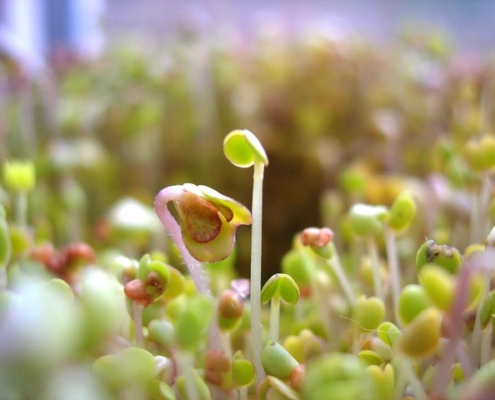
Photo of seeds sprouting.

photo courtesy of pixabay


Seed Starting

by Heather Stone

  1. Choose a container and lid

    Sprouting seeds in a jar is easy and convenient. The first step when you grow your own sprouts is to make sure to choose a jar that is large enough to accommodate the seeds when sprouted. I find a quart jar with a wide mouth to work well.  You will also need a mesh lid of some kind or thick cheesecloth to easily drain your sprouts after rinsing.  Sprouting lids can be purchased at most health food stores, online or you can easily make your own.


  1. Rinse and pick over your seeds

Carefully rinse and pick through your seeds removing any stones or debris.


  1. Soak your seeds

Fill your jar about ¾ full with cool water.  Soak your seeds overnight (8-12 hours). Soaking time will vary depending on the size of your seeds.


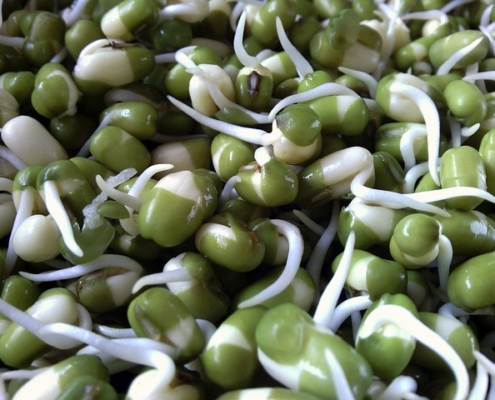
Sprouted seeds

photo courtesy of pixabay


  1. Drain your seeds

After soaking you will want to thoroughly drain your seeds. Tip your jar on its side and let it drain for several hours to be sure all liquid is removed.


  1. Continue to rinse and drain

For the next 2-4 days, you will rinse and drain your seeds three times a day. Using cool water, gently rinse your seeds so you don’t damage any sprouts and drain well.


  1. Final rinse and drain

When your seeds have sprouted and reached the desired length give them one final rinse and drain well.  Enjoy in salads, on sandwiches or stirred into soups. Sprouts can be stored for several days in a tightly sealed container in the refrigerator.


Some great seeds for sprouting include:

Beans (lentils, mung beans and chickpeas)

Alfalfa

Broccoli

Sunflower

Radish

Clover


Additional resources:

https://www.culturesforhealth.com/learn/sprouting/how-to-sprout-seeds-jar/

https://boulderlocavore.com/sprouting-101-homemade-sprouting-jars-tutorial-diy-mason-jars-giveaway/


The Secret Life of a Queen Bee

by Engrid Winslow

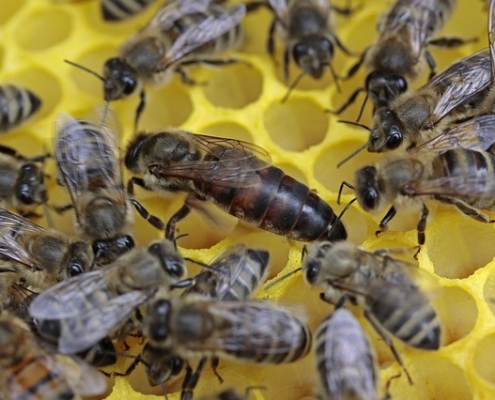
Photo of a queen bee on honeycomb.

photo courtesy of pixabay – maggydurch


A Queen Bee begins her life in a vaguely peanut-shaped cell that is larger than the one a worker bee or drone comes to life in. It takes three days for the egg to hatch and no matter what type of bee is being raised, it will be fed royal jelly for the first three days. If the larva is intended to become a queen, the royal jelly feedings will continue for three more days when the cell is capped and the larva pupates. The entire cycle lasts for 16 days. Once the queen emerges she needs another week to continue to develop before she leaves the hive on her nuptial flight. Drone bees hang out in an area above treeline where she will mate with about 10 to 20 different drones. She returns to her hive and begins her mission in life – laying up to 20,000 eggs per day. She will never leave the hive (unless it swarms) and will spend her life in the dark being fed and tended to by her daughters. There can be no colony without her.

The beekeeper can recognize the queen bee because her body is longer, reaching past the length of her wings and legs, and she has a pointed abdomen. Since she is built for egg-laying, she has no pollen sacs on her legs and her tongue is short. She also has no glands to produce wax and takes no part in building combs. The color of the Queen bee can vary from deep gold to reddish-brown and even a brown so deep it looks black. Color has no bearing on whether the Queen is a good one.

A good queen bee is one that lays a lot of eggs in a very tight pattern referred to as “the brood pattern”. The queen works her way in a circular pattern around the comb in ever-wider circles. When checking on the hive the pattern should be densely covered with eggs, larvae and capped brood. This is repeated throughout the hive and it is up to the beekeeper to make sure that there is always plenty of room for the queen to continuously lay eggs. Lake of space for her to continue her mission is one of the chief reasons for swarming.

You can read more about swarming here: https://bbbseed.com/19613-2/ and here: https://bbbseed.com/honey-bee-swarms/

and here: Journal of Experimental Biology

Tools to be a Better Gardener

Garden Tools

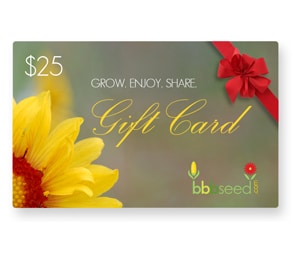
by Sandy Swegel Photo of the bbbseed $25 gift card.

Today I’ve been thinking about how the garden tools I use have made me a better gardener. I have spent a lot of money over the years on tools that break or tools that seemed clever but end up unused. I garden at least twenty hours a week for other people, so my tools need to be effective and efficient as well as durable. 

(Keep these in mind if you are trying to figure out a good holiday or birthday gift for a gardener friend or relative!  One of these and a great gift card for seeds is sure to be useful and welcome!)

My Must-Have Garden Tools include:


Good Hand Pruners naturally. Felco pruners are great if you can afford them. A sharp edge is the more important feature of hand pruners and you need a high-end pruner that does have cheapo soft metal that dulls the first time you use it. I like Felcos, but Corona and Fiskars both have high-end pruners that are good. For my use, I need a replaceable blade because no matter how much you sharpen, at some point you need a fresh blade. I have hand pruners in two sizes…a smaller pair for perennial maintenance because they are lighter weight and a larger pair for shrubs, roses and trees. Last year Costco had a great deal on a generic version of Felcos in a two-pack.

A Soil Knife. The original name of this tool was a hori-hori knife and my first one came right from Japan. Now I like the bright orange soil knife from AM Leonard. The plastic resin handle holds up better than wood and the bright orange is easier to find when I lose it. You have to be careful of the extremely sharp edges (one side serrated and one side flat) but this is my combo trowel, weed digger, shovel, a garden tool for dividing perennials, etc.
Fiskars Power Gear Bypass Lopper 15 or 18 inches. I love the Fiskars PowerGear line. They really do give you more power per effort than any other lopper. I use the smaller loppers the most because they are lightweight and because they fit more easily between dense branches.

Black and Decker cordless (18V) sweeper. They don’t call this a vac because it’s not strong enough for big piles of leaves…but it’s the perfect quick cleanup at the end of working in the garden whether you’re “sweeping” a path or blowing debris lightly off of rock mulch. I also use it to sweep my kitchen floor.

Milwaukee Sawzall pruning blade. This vicious jagged blade is one of the secret weapons that let me do the work of your average 20-year-old male landscaper. Perfect for cutting trees or cutting right in the soil through old roots.

Mini Shovel and Mini Mattock Pickaxe. OK, laugh if you want, my friends do….but then they go out and get these mini tools when they see how much work they let me do. They are the same tools the aforementioned 20-year olds use in full-sized versions, but lightweight enough for me to use without ruining my rotator cuff, a common gardening injury. I use both while kneeling in the soil up close and personal to my job. Don’t get a wimpy camping pick or a garden pick made of thin metal…get the real thing in the hardware store.

Those tools and a colorful TubTrug or two, (those bendable colorful garden buckets that are worth every nickel) and you’ll find yourself able to work faster and stronger in the garden without trying too hard.

Using Your Frozen Summer Bounty (Part 1 – PESTO)

Cooking with Pesto

by Engrid Winslow

Summer Bounty

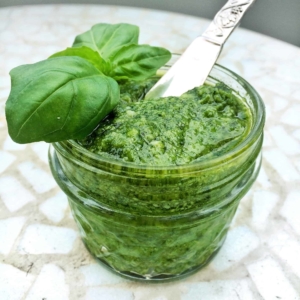
Photo courtesy of pixabay


Already the bounty of vegetables and herbs from the summer garden are becoming a distant memory. It’s time to dig into the freezer and start to use up some of those precious flavors in the cold winter months.


Let’s start with the delicious pesto(s) you made and froze back in June [Pesto Secrets] which is so useful in so many more ways than pasta. Pesto pairs particularly well with such winter delights as frozen roasted or sundried cherry tomatoes [Summer Harvest] and creamy mozzarella or burrata cheese so think of ways to include those items in some of the ideas listed below. But let’s look at some special spins on pesto.


*  Stir into softly scrambled eggs, or drizzle on top of a frittata

*  Mix with mayonnaise and use as an aioli on bread, in sandwiches or as a dip with vegetables

*  Spread it on a sandwich – especially a hot pressed sandwich like a Panini or grilled cheese

*  Substitute for tomato sauce on a pizza

*  Drizzle on soups such as Minestrone or Pasta e Fagioli

* Mix into salad dressing

* Toss with roasted veggies from potatoes to broccoli to eggplant

*  Serve with grilled steak, chicken, pork or even fish

*  Stir into the filling for a quiche

*  Add to chicken salad

*  Put it in a quesadilla or on pita bread sandwiches

*  Top a turkey burger with it

*  Stir into mashed potatoes or cauliflower

*  Mix it in with quinoa, rice or other grains

*  Add it to meatball, burger or meatloaf mixtures

*  Bake it into puff pastry with feta cheese and tomatoes

Here are a few others.

Let us know if you have other uses beyond pasta for the delicious pesto you made and froze this summer!

An Easy Guide to Perfect Kombucha

Graphic with the text, "An easy guide to perfect Kombucha."


Kombucha Tips

by Sam Doll

Sweet, sour, fizzy, and funky; Kombucha (or ‘Booch” for those in the know ?) has been super trendy of late. This fermented tea drink is chock full of healthy probiotics, antioxidants, and good vibes!

The thing is, it is pretty pricey at the supermarket. Most bottles of kombucha are around $3 or $4 and can sometimes be as much as $8! We think this is criminal considering how easy, cheap, and rewarding it can to make your own kombucha at home.

Our guide will tell you everything you need; from getting your first SCOBY to making your booch effervescent and yummy!

Wait, What’s A SCOBY?

As you may know, Kombucha is a fermented product. Fermenting food brings us some of our tastiest flavors and textures. Sauerkraut, beer, miso, yogurt, and sourdough are all examples of amazing, delicious foods that would be impossible without fermentation.

Fermentation might sound gross at first, but it really is just a clever way humans have discovered to preserve foods and get a little bit of help from the beneficial bacteria all around us.

When we let these little microbes, like lactobacillus and yeast, do some of our digestion for us. Sometimes, these guys give off byproducts like alcohol or lactic acid that make it harder for anything else to eat that food, preserving it.

So, what is a SCOBY? The word SCOBY is an acronym for Symbiotic Colony Of Bacteria and Yeast. Sometimes called the “mushroom” or the “mother”, a SCOBY is what transforms your tea concentrate to the unique flavor profile of kombucha.

Have extra SCOBY, here are 13 uses for all your excess!

This colony (or more accurately, community) of various bacteria species and yeast (a single-celled fungus that makes bread and beer possible) works together to eat up most of the sugar and breaks down a lot of the complex nutrients present in the tea into their easier to digest components. The probiotics and available nutrients in kombucha is what makes it so healthy for you!

The SCOBY is usually somewhat gelatinous and tough and will float at the top of whatever container it’s stored in. They will grow to whatever size container they have and will usually have a hockey-puck shape (if it’s in a cylindrical container).

Okay, Where Do I Get A SCOBY

There are a few ways to get your first SCOBY, here are our favorites.

A Friend

Most likely, you have a friend or coworker who makes kombucha. The SCOBY naturally grows and layers into split-able discs. Most kombucha brewers have more SCOBY than they know what to do with and would be more than happy to spread the good word and help out a fledgling brewer like yourself!

Don’t forget about who gave you that SCOBY either, more than likely one of you will need a new SCOBY at some point and you might be needed to return the favor!


 Order A Starter Culture

If you can’t find a ‘booch buddy’, you can always order a SCOBY online. There are plenty of reputable dealers available (we like the Fermentaholics SCOBY with starter tea).

When purchasing online, make sure that the SCOBY is packed in ‘starter tea’. This is the tea that has already been fermented by the SCOBY in a previous batch and is loaded with probiotics. Without this starter tea, your first fermentation will be slow, and it could allow mold to set in on your SCOBY.

Make Your Own

Full disclosure, we’ve never attempted to make our own SCOBY. Never been patient enough to wait around for it! It is possible though! So, we’ll refer you to the experts on growing a SCOBY at Cultures for Health

**Important Note**

Kombucha making is not a 100% proposal. If you see what could be mold growing on your SCOBY or anything weird going on in the liquid, it’s best to pitch the whole batch (SCOBY included) and start over. It stinks, but sometimes it needs to be done to stay safe!

This article is full of helpful tips so you can tell if your SCOBY is moldy or not.

Also, SCOBYs don’t like things getting switched on them. If they are in green tea when they start, only use green tea. If they start in black tea, only use black tea.

The First Fermentation

Equipment

  • 1-gallon glass jar*
  • Wooden or plastic spoon for stirring
  • Cheesecloth
  • Kitchen twine

*Only use glass containers when making Kombucha. Metal will react with the acidity of the liquid and may impact SCOBY health and plastic can harbor unwanted bacteria.

Ingredients

  • 5 quarts water*
  • 8 bags of black or green tea (2 tbsps. of loose tea can be substituted)
  • 1 cup white sugar
  • Minimum 8 oz. starter tea from the previous batch
  • 1 SCOBY

*If you have hard tap water, use filtered water from the store. Kombucha does not like high mineral content in the water.

1. Sterilize

With all fermentation, you want to be careful to make sure you are only adding the good microbes to your kombucha. This means keeping a sterile environment. All utensils and containers used should be sterilized before use.

The easiest way to sterilize equipment is to boil it for at least 5 minutes. You can also use hot vinegar to sanitize equipment. Do NOT use any soap or chemicals, since they can kill your SCOBY. Make sure to not touch any surface that will come in contact with the kombucha, since your hands do harbor microbes that can ruin your batch. Similarly, be careful to avoid touching the SCOBY.

2.  Make the Tea Concentrate

Heat the water to a boil and add the sugar water. Stir until all the sugar is dissolved and add the tea. You can let the tea steep for a minimum of 10-15 minutes or wait until the tea is completely cooled (between 68-85ºF).

This is extremely important. If the tea is too hot when you add the starter tea and SCOBY to the mixture it can kill them.

Once cooled, remove tea and pour the concentrate into the fermentation jar.

3. Start the Fermentation

Once the base tea is cooled and in the jar, you can add the starter tea and SCOBY. Again, make sure not to touch the SCOBY. Use a clean spoon or tongs if you are having trouble moving it.

Once everything is in the fermentation jar, cover the top with a breathable material. We like a tightly woven cheesecloth or muslin. You can also use a clean dishtowel or coffee filter.

Secure the covering with a rubber band or kitchen twine to prevent any dust, debris, or insects from finding their way inside.

Find a dark place that the kombucha can remain undisturbed at room temperature and let it sit for 7-30 days. Taste every 7 days until it is where you want it. The sooner you stop the ferment, the sweeter it’ll be. The later, the sourer and funkier.

The Second Fermentation

Once your kombucha is done fermenting, you can feel free to drink it right then! If you want the full kombucha experience though, you’ll have to do a second fermentation. This is the stage where you will flavor your kombucha and let it carbonate.

Equipment

  • 6 16 oz. Fermentation grade swing-top bottles or 6. Pint-sized mason jars with lids and rings
  • Funnel

Ingredients (optional flavorings)*

  • 1-2 cups chopped fruit
  • 2-3 cups fruit juice
  • 2 tbsp honey
  • 2 tbsp flavored/herbal tea

While it isn’t necessary to add any flavors to your kombucha, it can be a fun, creative experience that can make some special flavors. If you want suggestions of what flavors go well together, check out this article.

1.      Remove SCOBY

Once your Kombucha is where you like it, remove the SCOBY using clean utensils and place it on a clean plate. If the SCOBY is starting to layer (usually after about 4 brews) remove the older ‘mother’ from the bottom and save the ‘baby’.

Place the SCOBY in a clean, mason jar with at least 12 oz reserved starter tea. Store in the refrigerator until it’s time for your next brew.

2.      Prepare flavorings

This is where you get to make the kombucha your own. Prepare your flavors, using the guidelines above, and split it evenly among your bottles. Be careful when using ingredients like honey. If too much sugar is added, you can over-ferment and cause your bottles to burst.

Here are some Flavor Combinations that we like:

  • Ginger and Lemon
  • Kiwi
  • Honey and Lavender
  • Orange and Clove
  • Strawberry and Basil


3.      Bottling

Using clean bottles and a clean funnel, split the flavoring between your bottles and then pour the kombucha in.

Leave a minimum of an inch of headspace in the bottles so they properly carbonate and don’t over pressurize. The headspace will also prevent the kombucha from spilling out when you open it.

4.      Wait it out

Let the kombucha sit for 1-3 days at room temperature, depending on the temperature, and then move them into the fridge

5.      Enjoy!

‘Nuf said!

 

The History of the Jack-O-Lantern

History of the jack-o-lantern.

photo courtesy of pixabay


by Heather Stone

As the last days of October approach pumpkins carved in an array of faces and lit from within by candles dress porches, stoops, windows and walkways. The jack-o-lantern as we know it is a true American icon of Halloween, but where and how did this tradition begin?

There are several theories on the origin history of the jack-o-lantern. In 17th century Britain, an unknown man or night watchman carrying a lantern was referred to as “Jack of the lantern.”

During the same century in Ireland the “lanterns of Jack” were one of many names to describe the strange phenomenon of lights seen flickering over the peat bogs. These lights are known by many names including the “will o’ the wisps.”

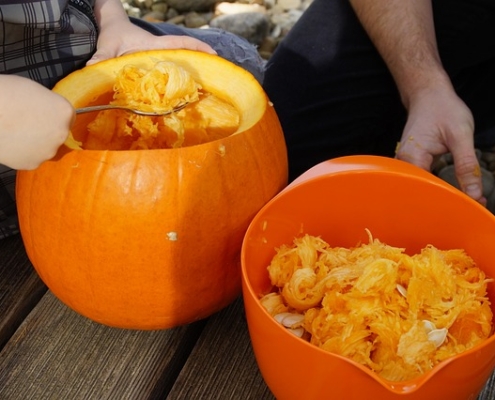
Scooping out the innards of a jack-o-lantern.

photo courtesy of pixabay

My favorite history of the jack-o-lantern theory is based on an old Irish folktale about a man named Stingy Jack who tricked the Devil. The legend of “Stingy Jack” has many forms. Here is one.

Stingy Jack invited the Devil to have a drink with him, but Stingy Jack didn’t want to pay for his drink, so he convinced the Devil to turn himself into a coin (the Devil being able to take one any form) that Jack could use to buy their drinks. After the Devil turned himself into a coin, Jack decided to keep the money placing it in his pocket. Inside his pocket lay a silver cross preventing the Devil from changing back into his original form. Jack agreed to free the Devil, under the condition that he would not bother Jack for one year. The next year, Jack again tricked the Devil into climbing into a tree to pick a piece of fruit. While he was up in the tree, Jack carved a sign of the cross into the tree’s bark so that the Devil could not come down until the Devil promised Jack not to bother him for ten more years. Eventually, Jack died and legend has it that God would not allow him into heaven and the Devil angry from being tricked didn’t want Jack either. The Devil is said to have sent Jack off into the night with only a burning ember to guide his way. Jack but this ember into a carved out turnip and roams the earth to this day.


In Ireland, folks began carving faces into turnips to ward off Stingy Jack and evil spirits on All Hallow’s Eve. Beets were used in England. This tradition likely came to America with immigrants from these countries. The pumpkin being plentiful here and easy to carve became today’s jack-o-lantern.

Read more about the Queen of Halloween.